- Alumni-Portraits /
- Archive portraits


VETMED: I'll ask you straight away: are you living the dream of many "horse-crazy" girls in Austria? What do you do as a clerk in the Austrian Equestrian Federation?
Angelika Sparer: Yes, I think so. I really do deal with the horse and equestrian world every day. If you love horses for life, you are certainly motivated in a completely different way. It's not just an office job for me. I'm responsible for dressage, para-dressage, show jumping and eventing in the top-class sport department. If an Austrian rider wants to compete internationally, it goes through my desk - all international competitions, championships, the Olympic Games and European and World Championships. I am also responsible for NADA, the anti-doping agency - for horses and riders, both in terms of prevention and in the event of a case.
VETMED: Do you travel a lot for work?
Sparer: It's more of an office job. I look after the horse and the rider, making sure they have everything they need. I make sure that all the documents are submitted properly - I'm responsible for the careful preparation. But in August 2022, for example, I was on site as a supervisor at the FEI World Equestrian Games in Herning (Denmark). We had competitors in four disciplines. There were lots of people from the federation on site and I was there as a troubleshooter, organising and keeping an overview.
VETMED : You started at the OEPS straight after completing your bachelor's degree in equine science in 2019? Why did you decide to study? Did the training at the Vetmeduni prepare you well for the job?
Sparer: When I was 18, I didn't know what to do next. I thought about what I enjoyed most and what I was interested in. That turned out to be horses. In equine science, you learn everything about anatomy, diseases, feeding and also economic aspects. It wasn't a 1:1 preparation for my job. But of course it helps that I know what it's all about. For example, we also had a lecture on the organisation of equestrian sport and racing: how it is structured and who is responsible for what. I learnt all about the bureaucracy involved.
VETMED: How did you find this job or did the job find you?
Sparer: It was luck. I sent a lot of unsolicited applications during my bachelor's thesis - really to every possible position I could think of. The OEPS got back to me saying that they would advertise the position, but that they would speak to me first. Everything went well at the interview and here I am.
VETMED: What else do you need apart from knowledge of equestrian sport?You also previously worked in sales and catering - how do you benefit from this?
Sparer: Everything you've done is important. I simply had customer contact before. When you work with people, it helps to have gained a bit more self-confidence - to be able to deal with difficult situations. With anything to do with animals, you need good nerves - it can get emotional and you have to keep a cool head. There are usually a lot of people wanting something from you at once and I can't lose my cool. There are tournaments every weekend, so we always have a lot to do. The championships are in July and August - that's peak season. But the organisation is before that and with good time management you can also go on a summer holiday. My colleague does the other divisions and we cover for each other.
VETMED: Have you ever been a Bibi & Tina fan?
Sparer: No. My relationship with animals is not based on kitschy books. I've been riding since I was 7 years old. We went on a trip to the riding stable at primary school and I got stuck in. It was very close to my parents' house. It started with riding lessons, then helping out in the stables, and in summer I was there almost every day. Today, my Old Austrian Warmblood is stabled at the same stables.
VETMED: I read that this breed was originally used in the army. Do you also take part in competitions yourself?
Sparer: It is a pure leisure horse. He probably has the disposition, but I've never done competitions myself. I ride Finley out, we do dressage, show jumping, cross-country and ground work.
VETMED: What role does further training play in your job?
Sparer: I did a horse insemination course while I was still at university. I would know how to do that, but in Austria it's always done by a vet. And after my studies, I did the advanced first aid course with the equine samaritans and equine paramedics. That certainly helps in my job when answering customers' questions about vaccinations or horse examinations.
VETMED: Can you imagine going on to study veterinary medicine?
Sparer: It's a good fit at the moment. Nothing is ruled out for the future.
VETMED: What do you like about your employer, the Austrian Equestrian Sports Federation?
Sparer: The OEPS wants to promote the sport and provide the best possible support for horses and riders, especially in the area of young talent. I like the fact that, despite competitive sport, animal welfare is very much in focus. The horse is a sports partner, not a piece of sports equipment.
VETMED: It is said that all happiness on earth lies on the back of a horse. What do you do to balance out your office work?
Sparer: As well as riding, I also do yoga. It's ideal for me because riding involves a lot of body tension and adapting to the animal, and yoga allows me to let go completely and just be myself.
The interview was conducted by Astrid Kuffner.
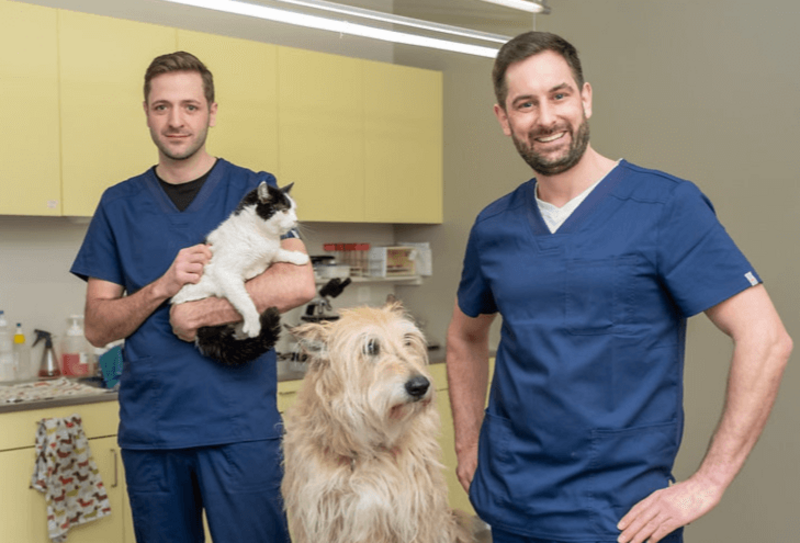
VETMED: At the beginning of 2021, you and a colleague took over a small animal practice in Huttwil in the Swiss canton of Bern. In October 2022, you took over a second practice in Langenthal, 20 minutes away by car. How did that come about?
Christoph Payer: My colleague Marc Schneider and I got to know each other at the veterinary clinic in Chur, where we both worked as assistant vets. After three years, it was time for us to take on something new. We had always talked about setting up our own business together because we know each other well and work well together. We looked at various practices in urban and rural areas. In Huttwil, we had the confidence - ultimately also financially - to do it. We had a good dialogue with the previous couple, had a fair offer and they were both still working on a daily basis. We also took over the practice in Langenthal two and a half years ago from a colleague who wanted to retire. She is also still available for customers who want to come to her.
VETMED: Why did you expand and how do you organise yourselves with two branches?
Payer: One of us is at each location every day. The two practices are networked via the practice software. Index cards were a thing of the past. In the evenings, we meet in the office in Huttwil and liaise, do the bookkeeping and plan operations that we want to carry out together. We have gradually grown into the commercial tasks of running our own business - you don't learn that at university. As Austrians and Germans in Emmental, we first wanted to see how we would get on here. We took a cautious approach. We wanted to grow a bit more and are now a good size. That will make it easier for us to get an attractive offer when we want to hand over the business. But that will take time. Further growth is not planned for the time being. Incidentally, we are seeing the same trend as in human medicine: it is difficult to find specialists to work outside of urban centres.
VETMED: Small animal orthopaedics and soft tissue surgery are your areas of specialisation. What else do you offer?
Payer: I have no special training in surgery, like the international veterinary specialist. But after my studies, I attended non-university courses and continue to train. Other small animal vets do the same. But I like working with my hands and have good spatial awareness. We naturally try to fulfil requests as best we can. We also have attending doctors for specialities such as ophthalmology and internal medicine - which my wife does - and two other surgeons on a daily basis.
VETMED: How did you come to work in Switzerland? Was your training recognised?
Payer: I'm not such a home-bound, deeply rooted person, as my training proves. At the end of my studies, I did a great internship with Thomas Schwarzmann in Vorarlberg and he found me a job as an assistant vet at the Masans AG veterinary clinic in Chur. I thought to myself: experience abroad is always good and now I've been here since 2017. Switzerland is very tolerant and recognises training from EU countries. But there are different regulations for each canton. In Bern, for example, we needed liability insurance for our own practice.
VETMED: Your training path seems somewhat ... erratic. You grew up in the Oberwart area, went to a secondary school for sports, then to a technical college for chemistry in Vienna and then very far away from Austria. In your family, your parents and brother work as pharmacists. Was that not for you?
Payer: When I was young, I had many different interests that I wanted to pursue. That was a difficult time for me. After compulsory school, I had had enough and wanted to clear my head. On a previous trip with my parents, we had got to know a family in South Africa better. I wanted to help out on the game farm there for six months. They took me in like a third son and I helped with their own antelope hunt, looking after foreign hunters as a kind of gamekeeper. There was also a lion breeding farm for conservation programmes. Today they call that a "gap year". In my case, it ended up being a total of five years - with an interruption for my basic military service. In the end, I worked as a kind of self-employed foreman on various farms. I returned to Europe because of a rugby accident. I broke my lower leg, had an operation here and underwent rehabilitation.
VETMED: What did you take with you, how did this formative time change you?
Payer: The time between 16 and 21 was formative and I enjoyed gaining experience. In this very large country with many jobseekers, the first question was always: What qualifications do you have? Why should I hire you? I was on my own and developed the ambition there that helped me find my way. When I returned, I realised that I had to get an apprenticeship. I did my A-levels at an agricultural college in Graz, then studied for three years at the Higher Federal Agricultural College in Wieselburg because I wanted to work with animals and be outside a lot. You could say I "lost" five years, but there were a lot of career changers on the veterinary medicine course - I didn't realise that. When I got the place at university, my idea was to become a large animal vet. But then things turned out differently.
VETMED: What was different in your day-to-day work than you expected during your studies?
Payer: The job is great, varied and exhausting. It requires a lot of flexibility and empathy - you don't learn that during your studies. The difficult conversations you have to have with owners weren't an issue at university either. As far as I know, that's different today. You find your own path after graduating. I would start my own business again and with a partner. Otherwise you can hardly go on holiday, and you don't choose emergencies, they come to you. That's where a partner helps. What I'm proud of: We have realised in our teaching company what we both always missed in the clinic. We were often promised that we could do something ourselves and then the boss always did it. We let our junior vets get on with it and support them - we give them the confidence that they can do it themselves. Theory and watching alone don't give you this confidence.
VETMED: You speak Afrikaans for everyday use. What about your Schwyzerdütsch?
Payer: I speak it very badly, but I understand it well now. Of course, people hear that I'm not from the area and politely ask if Bernese German is OK. Sometimes I then slip into my dialect. And that works.
The interview was conducted by Astrid Kuffner.

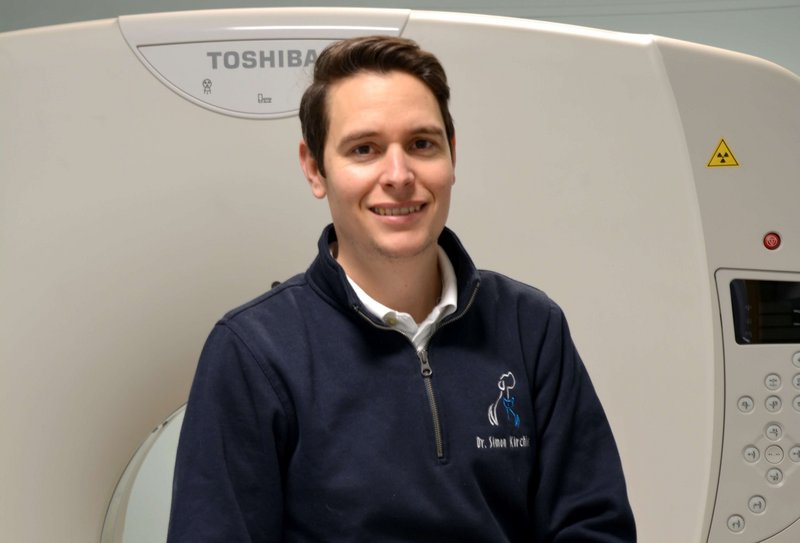

VETMED: Have you always wanted to be a vet?
Simon Kirchler : Yes, from an early age. As a child, I always spent my summers on a mountain farm, surrounded by cows, cats and dogs. My first passion - perhaps still secretly my dream - was to work with monkeys. I saw this in TV documentaries and it inspired me. As a child, you don't have such realistic ideas. I actually specialised in the field of farm animals. The VetClinic Bolzano, where I work today, specialises in small animals. I also completed extensive additional training in diagnostic imaging, i.e. computer tomography, ultrasound and X-rays.
VETMED: You were born in South Tyrol and have been practising there again since 2007. Why did you decide to study at the Vetmeduni in Vienna?
Kirchler: In comparison, the education in Austria is more practice-orientated than in Italy. I had the necessary scientific knowledge and Latin from secondary school. My uncle, who is also a vet, told me to study in Vienna, gain practical experience in Germany and then return to South Tyrol. I skipped step two, but spent a few weeks in Norway doing the clinical exercises. I started working at Dr Georg Moser's veterinary practice in Bolzano in 2007. Chance played a major role in this.
VETMED: How did chance come into play?
Kirchler: Dr Moser's daughter also studied veterinary medicine in Vienna and I was her tutor. That's how I found out that her father was looking for a new assistant for the small animal practice that he had been running alone since 1982. So he already had a lot of experience back then, which I was able to benefit from.
VETMED: Looking back: Did your training at university prepare you well for the profession?
Kirchler: Yes and no. It's like the difference between driving school and driving a car alone on the road. I would still describe the first two years in practice as an apprenticeship. I was very nervous and scared when I stood alone in the surgery for the first time. Maybe that's a typical feeling of mine, never being prepared enough.
VETMED: Within four years, you went from being an assistant in the owner-managed veterinary practice in Bolzano to becoming an equal co-owner of the VetClinic at the new location. How did this role change work out?
Kirchler: Dr Moser's practice was in his building. We got on well together straight away, we were a good team as assistant and head and I realised that he held me in high regard. That's important when working together because you might spend more time together than with your partner. We understood each other without words. We almost missed talking about the important things. At some point, every assistant comes to the point where they want more - I asked myself how I was going to continue. He thought about expanding. Every man for himself. I then told him about the offer to take over a small animal practice in Brixen. The next day he said: let's set up a modern practice in Bolzano together. And so the two of us started in a new location. We are currently seven vets. Our daughter Katharina Moser is now also a member of the clinic management team.
VETMED: From employee to managing director, responsible for the clinic organisation - that requires different skills. How did you make the transition?
Kirchler: I'm a scientist, not an accountant. But I do have an entrepreneurial and entrepreneurial spirit. I was interested in modernising the clinic - from a homepage to an in-house pharmacy. I grew into the figures. I didn't attend any courses. The clinic is running well and we have grown step by step.
VETMED: What does your day-to-day work at the VetClinic Bolzano look like?
Kirchler: We try to make the unpredictable as regular as possible. We offer a 24-hour emergency service. The handover from the night shift takes place at 9.00 am and the day shift's consultation hours begin at 9.30 am. After the lunch break we operate and from 4.00 p.m. there are consultation hours again. That's how we did it when there were only two of us. When there's a lot going on, we're now enough people that the operations can be scheduled earlier, parallel to the consultation hours. Recently, each of us has had an afternoon off. Katharina Moser started this little revolution(laughs).
VETMED: The technology in diagnostic imaging is changing rapidly. How do you keep up?
Kirchler: We've been offering computer tomography since 2011 and there's a lot going on - including artificial intelligence in the future. I regularly undergo further training and deal with AI, which will make many things easier for us. Our customers demand state-of-the-art technology. I believe that anyone who misses the first steps here may not be able to keep up.
VETMED: What other changes are you observing in veterinary work?
Kirchler: My responsibility has increased due to the clinic management, but also the demands of the customers. Today, we have several calls and visits per night in the emergency service. Pet owners who call without an emergency are difficult. I can understand the concern. However, wasted time and lack of sleep are still an issue. Otherwise, I see it positively: we are in the same boat and have the same goal. Today, we have exciting new possibilities for diagnosis and treatment. The willingness to go along with this and to finance it has increased.
VETMED: You have also invested in several start-ups. What motivates you to do this?
Kirchler : I simply have this restlessness - I always need a new incentive in my profession and want to contribute my expertise even more broadly. That's why I became a representative in the Chamber of Veterinarians in 2012. There have been three start-ups so far, although two of them have come to nothing. With each one, I understood a little better why it didn't work. Most recently, I co-founded "PetAlpin", a high-quality wet food from South Tyrol for dogs and cats. My mum also has two dogs. We recently moved production to a new hall and found an investor. I can really get involved and I enjoy it.
VETMED: Where do you find balance and relaxation?
Kirchler : I don't see the dog food project as work. My wife and my two co-founders are working on it, I'm just a product development consultant(laughs). To relax, I go from the small animals to the small forest. I have about 50 bonsais, many of them seedlings, some of them already advanced in age. There are many in my bonsai club who have been doing this for much longer. But the small trees and their development give me great pleasure.
The interview was conducted by Astrid Kuffner.


VETMED: Your start in life with a congenital heart defect was anything but easy. Today, you have to put up with quite a few hardships at work and in your free time. Didn't you want to wrap your parents in cotton wool?
Helga Kausel: They certainly tried, but it didn't work. Instead of doing handicrafts, I started playing handball in the school team and went on to play in the national league. To this day, my heart isn't quite tight and the donated heart valve is actually overdue. But it's holding up. It was hardly surprising that I would become a vet. I grew up in my grandmother's garden in Seebarn with horses, dogs, cats and other rescued animals and helped out in the stables from an early age. Alongside my studies, I worked a lot in small animal clinics, which made me want to give up. But when I saw the exercises in the equine clinic, I knew that this would fulfil me.
VETMED: You have been working intermittently at the Anham equine practice in Bavaria since 2009. Did the Vetmeduni prepare you well for this job?
Kausel: The equine module provides a lot of practical preparation - something other students dream of. When I met my husband, I looked for a job in Bavaria because he wanted to study there and we didn't want to have a long-distance relationship. As a mobile vet, I'm a generalist - with a soft spot for teeth and colic. When it comes to working in an international environment, there are training centres that issue a corresponding licence.
VETMED : Your book "Meine Patienten laufen Trab" has just been published. How did it come about?
Kausel: The idea goes back many years. We were celebrating New Year's Eve at the equine practice and I was telling stories from my day-to-day work. A friend said: You should write a book, so I started. I wrote a diary and kept adding to the draft. But it took me a while to find the right publisher.
VETMED: If I understand correctly, you got into "travelling the world as a veterinary volunteer" as well as social media?
Kausel : The first time was in 2011 during a four-week internship in Washington State (USA). I had injured my knee and was on a forced break from handball when a colleague told me about it. I also spent seven weeks in Africa that same year. Two things fascinated me: Being on my own and working with wild animals and exotic species. During my first internship, I still struggled with medical English, but my ambition to get to grips with everything got the better of me.
VETMED: And where did you learn how to prepare your work for a large audience on social media?
I am self-taught. I was always the one in my circle of friends who took photos on the road and at parties and posted them online. I just have this exhibitionist streak of showing life and everyday life. I installed Instagram out of curiosity because a friend posted her outfit there every day and I couldn't believe it worked. In 2015, I had already travelled to 50 countries and posted my trips one after the other. The first picture that went viral because an influencer posted it was of a rhino in South Africa that we had dehorned. I immediately gained a lot of followers and changed my profile to @travelling_vet. I wanted to show that travelling and veterinary medicine are also possible alongside your job. I also explain how, for example by avoiding consumption.
VETMED:What motivates you as an influencer to inform about or entertain with your work as a vet?
Kausel: If I only ever did one thing, I wouldn't be where I am today. Animal welfare has always been the driving motive for me. Since I've been earning money on Instagram, I've been donating it because I have an income. Together with a friend, I developed the "Donate a Postcard" fundraising campaign for followers. In return for a self-defined donation, I send a personalised postcard from my respective location. I enjoy Instagram, but it's not my job. I find fulfilment in saving animals. I'm not particularly ambitious or hard-working, my success has a lot to do with luck, like being born in Austria. I want to do something meaningful with it.
I'm actually a lazy person. A few podcasts have emerged from @travelling_vet, for example because my customers don't remember what to look out for after the treatment and call me in the excitement. So I have a few spoken instructions, e.g. what to do after colic. I host "Die DiskuTIERärztinnen" with two vet friends, wild vets is about wild animals and "Dieses verkackte Gehirn" is about depression.
VETMED: Has all the work abroad made you a more competent vet?
Klausel: I've learnt to appreciate my life much more, I'm quicker to see past our little problems here and I find it easy to invest money in other living creatures rather than handbags or a car. What has made me more confident in my job has been my two children.
VETMED: Where do you get the courage to treat otters, monkeys, ocelots, manatees and raccoons in Peru?
Kausel: "Panic and overconfidence lead to death. Fear and courage save your life." It's important to me to show the unembellished everyday working life. What you don't immediately see in a photo is the planning: thinking through what to expect, not risking too much or taking precautions. I've already been asked about the most dangerous animal and I'll stick with the horse. It has a lot of strength and equine vets are the most likely to end up in hospital. This is due to the popular image of pets and the lack of understanding that safety precautions need to be taken in extreme situations, including when visiting the vet. There is hardly any understanding for a nose brake, for example. Nobody would say to a wild animal: the lion is so nice, we don't need to anaesthetise it.
VETMED: You worked voluntarily on holiday for years and now travel with your children. When and how do you relax?
Kausel: At night. I don't actually feel like I do very much. As a vet on call, we can easily have a 50-hour job. Eight hours of sleep is very important to me and I try to listen to my body when it needs a break.
The interview was conducted by Astrid Kuffner.


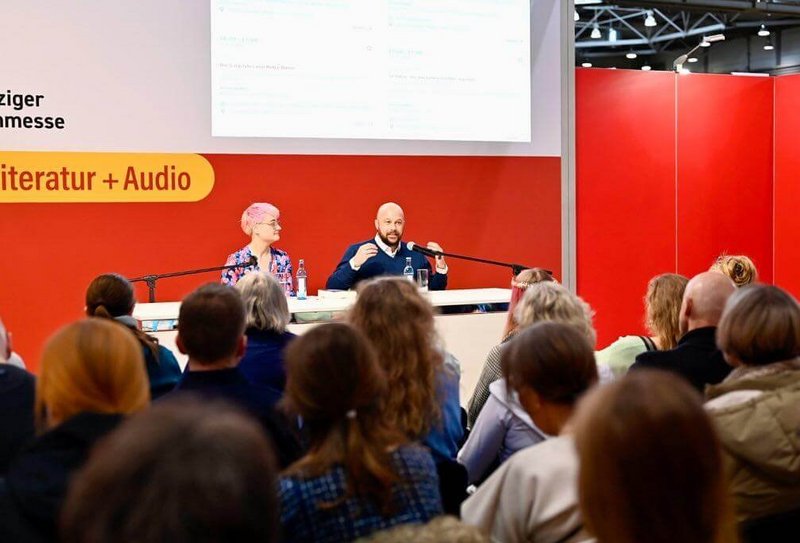

VETMED: Did you always want to become a veterinary surgeon, or would you prefer to be a writer, or both?
René Anour: I was always fascinated by wild animals. Whenever I could, I was outside and observed what was creeping and crawling. There is also quite a lot going on in Vienna and we have two national parks in the immediate vicinity. I was very sure about my choice of degree programme. Becoming a writer was not on the agenda at the time. Fun fact: My sister is a practising vet. We had pets, just as we could on a small scale: gerbils, an aquarium, turtles.
VETMED: What did you specialise in during your studies?
Anour: I confess that I was relatively unprepared at the beginning of my studies. I had only asked a few students what they were doing. I really liked the diversity of the degree programme and before the last section, possible specialisations were presented. A professor with "Indiana Jones vibes" and a fairly "typical" one jointly presented Conservation Medicine with the aspects of Wildlife Medicine and One Health. I knew then that this was exactly what I wanted to do.
We were just a few students and very well supervised. I learnt how to work scientifically there: how to deal critically with scientific literature and how to approach things methodically and correctly. We tried out a lot of things for the first time and with good reasoning. In the end, I saw myself more in the study design than in the field.
VETMED: So you enjoyed experimenting and researching, but ultimately left the university for AGES. How did that come about?
Anour: During my doctorate, I conducted research in the field of pathophysiology on the supposed longevity gene Klotho, which, contrary to sensational announcements, turned out to be an important regulatory gene in the body's own vitamin D production. I was also in the laboratory for a research visit at Harvard Medical School in Boston. Ultimately, the need for total specialisation, being completely committed to one subject in order to succeed, was rather daunting for me. A tutor of mine was at the European Medicines Agency and told me what he does there, and I still like it today.
VETMED: What does your typical working day at the AGES Medicines Agency look like and what do you like about it?
Anour : I don't just deal with one disease, but with the most diverse forms of therapy and indications that appear on the horizon. I like this breadth of content. I am now doing committee work as chairman of a European expert group on biosimilars. This is a kind of generic version of complex biological molecules, such as antibodies. In order to replicate highly effective, effective and previously very expensive active ingredients, especially for chronic diseases, after patent protection, we need our own concepts. And these concepts have already led to European healthcare systems saving billions and at the same time - which I am particularly pleased about - patients throughout Europe gaining rapid access to these highly effective medicines. I also provide scientific advice to companies on their development processes and how they design their trials. And then I also work on European marketing authorisations and give an opinion on whether the benefits of a new drug outweigh the risks.
VETMED: How did writing books, with which you are now very successful, come into your life? The first case of Inspector Campanard's first case "Deadly Scent" has already been published, the second case will follow in spring 2025. You started with historical fantasy, wrote a historical crime series and also a non-fiction book.
Anour: I used to run the theatre group at Vetmed and we always put on sketch evenings at Christmas, which I co-wrote. Then I did cabaret with two colleagues - we were vetophiles. During my doctorate, I started with historical fantasy and published it with a small publishing house. Later, I became more professional with crime novels published by two large German publishing houses. It's a balance for me to let my mind wander, to get into the flow - my favourite leisure activity when I'm alone.
VETMED: How do you create a crime novel? When and how do you write? How do the protagonists and plots come to you?
Anour: If I have a deadline, I always write two pages in the morning before work. Then I'm already in maker mode for the whole day. But I always write when I can. Inspiration is my life, when I talk to people I am touched, interested, amused. I always say that stories grow in the compost of your own life. I have a lot of ideas before I go to sleep, so I have a notebook on my bedside table. And my characters are always mixtures of real people, I always say.
VETMED: How do you research for novels: scientifically meticulous or with the courage to leave gaps?
Anour: The medical facts have to be correct, otherwise I would be really embarrassed. The historical facts as good as it gets. Whilst I am meticulous in my research, the story should entertain, draw you into a time, a place, a setting and preferably provide the facts in a very unobtrusive way so that it doesn't come across as preachy.
VETMED: As an expert, you are frequently interviewed by the media. What importance do you attach to science communication?
Anour: The topic emotionalises me incredibly, because unfortunately it is often treated very neglected. I no longer work in science, but I consider it to be a central aspect of this work. I believe that all topics can be communicated in an understandable way and that the scientific facts and correlations need to come across even better than the stories of conspiracy theorists.
VETMED: Theatre, cabaret, TV appearances, readings: Are you a show-off? Do you enjoy being on stage or in front of a camera?
Anour: I like to do it for a topic or an activity that is important to me. Not as an end in itself.
VETMED: Are there any interactions or overlaps between your two talents and passions?
Anour: There are always overlaps. Once, at a specialist conference in Prague, a congress organiser suddenly pulled out the Czech translation of my crime novels immediately after my presentation and introduced me to the audience as an author. But I'm not taken any less seriously because I'm also an author, which is important to me. I find readings more difficult when I talk about my story and think to myself: you should be talking about something clever, important, factual.
VETMED: What do you like to read? And what's next for your writing?
Anour: The second case of Commissaire Campanard for Heyne Verlag will be published in spring 2025 and I'm preparing a quirky and funny crime novel for Rowohlt Verlag for 2025 about a vet who commits murders out of love for animals. Unfortunately, all that writing comes at the expense of reading. But I find the "Achtsam Morden" series by my publishing colleague Karsten Dusse quite marvellous.
VETMED: Did your parents have an artistic career in mind when they chose your name?
Anour: I'm often asked for my real name because people think I'm using a pseudonym. But I don't have French roots. My father is from Egypt and my mother is from Upper Austria - and it's this mixture that makes the difference.
VETMED: Can you imagine giving up your day job?
Anour: I think it's important to have a real job and I enjoy it.
Besides, where does the compost of life come from?
The interview was conducted by Astrid Kuffner.
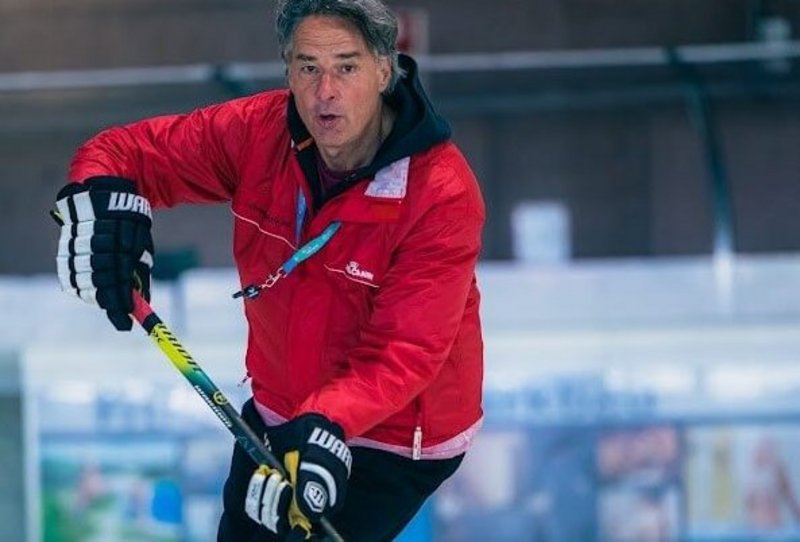

VETMED: What was your first career goal?
Gerold Maier: I was born in Salzburg and grew up on the outskirts of the city. We always had pets: cats and a German shorthair. I wanted to be a vet from the age of seven. But there was never a day without exercise, and I was particularly fond of playing sports. After my A-levels, I went to Vienna to play ice hockey in the second league. As well as training for three hours a day, I was looking for a meaningful course of study to keep my mind moving. It was a beautiful July day in 1987 when I looked at the courtyard of the old Vetmeduni in Linke Bahngasse, where horses were led around under chestnut trees. This green oasis felt right. Since then, sport has once again had the upper hand in my career and then medicine again.
VETMED: You did your doctorate on brainstem audiometry, a new method at the time for determining the hearing ability of animals. The doctorate would have been the first step towards a scientific career.
Maier : Back then, I worked out in my studies of the literature and in practice that animals that carry genes for white coat colour also have a higher incidence of deafness. A third of Dalmatians are deaf on one or both sides, and this also applies to Boxers and Dogo Argentinos. This is of course a risk if you have one of these as a family dog. I then became more intensively involved with breeding for agony and hereditary defects and, together with Prof. Stur-Sommerfeld, initiated the ERVIP (Erb-Vital-Pass) hereditary hygiene programme. The aim was to examine breeding animals in advance to see whether they had any disease traits. Unfortunately, the necessary support from the canine organisation was not 100% available. I was interested in what was behind it in every subject. However, I never had a real hobbyhorse or specialisation. I then continued my training as an assistant vet with renowned colleagues and founded my own small animal practice in Klosterneuburg Kierling with a colleague in 1997.
VETMED: Why did you give up your own practice?
Maier: The practice was going very well, but I'm a seeker. As a small animal vet, you're mainly in the repair business, fixing mistakes that happened beforehand. That was relatively frustrating for me. With our first son, I was gripped by sports fever again. I wanted to have a regular life. The pager called me into work every other night. That's why I switched to the pharmaceutical industry. I first joined the sales force in Vienna and then moved with my family to Richter Pharma in Wels, a company specialising in veterinary medicines and equipment.
VETMED: How did you make a name for yourself in the private sector? After all, sales is not the core domain of a veterinarian.
Maier : I had dealt with marketing for my own veterinary practice and explained to the boss from the perspective of a vet what support was needed for successful practice management. The concept convinced him. I was given a free hand and, among other things, organised a series of practical events for further training, such as a workshop on the latest findings in oral hygiene and dentistry. I brought frozen animal skulls from the VMU's pathology department to Wels in a freezer and recruited my former fellow student, Alexander Reiter, as a lecturer. Richter Pharma provided suitable instruments and dental stations. I am still asked about this almost 25 years later.
After six and a half years, we returned to Vienna and I became marketing manager at Pfizer Animal Hygiene. There was an ice hockey rink near the company premises, where I trained with the youngsters after work - until I switched completely to sports management and association work in 2014. I had the feeling that I already had a good overview of the pharmaceutical and marketing sector and wanted to do something new.
VETMED: You played ice hockey at a high level, but that doesn't make you a good teacher. How do you see it?
Maier: I have gradually brought my experience as a player up to date through training and further education courses. As sports manager at the Austrian Ice Hockey Federation, I was then also responsible for coach training. The knowledge I have gained over the years about leadership and motivation is, in hindsight, priceless. It works in business and sport and is quite simple: people need a certain environment in order to be intrinsically motivated and happy to perform. Appreciative solidarity is at the forefront of this, as well as a certain degree of autonomy. Managers who understand this will be successful. I think that communication is an essential learning field.
VETMED: Did your training at Vetmed prepare you for your professional career?
Maier: I would like to teach students that a broad specialised knowledge is important. However, a happy, meaningful life is only possible if you find a speciality, a niche, that fascinates you every day and that you can grow in every day. A successful career also involves having your personal finances under control. To do this, veterinarians usually have to act more consistently.
VETMED: In May, you started another new job after ten years in sports organisations and sports management.
Maier: It's been an incredible 12 years. One of the last projects was, for example, realising the home games of the Black Wings Linz as Green Events in cooperation with the Federal Ministry. Now I've come full circle with my move to the Heintel Group, where I'm taking on responsibility as Head of the "HEiint - Interventional Medicine" division.
VETMED: You have also completed courses in change management and social media management. Are you a fan of lifelong learning?
Maier: Lifelong learning is important to me. The book "Mindset" by Carol Dweck was an eye-opener for me. I believe in a growth mindset. People should not be judged by their learning outcomes, but by their process on the way to their goal. That would be particularly important for children. I may not be able to do things yet, but I am learning them. If, like me, you don't systematically follow a career path, that's helpful. I remain flexible and find the area of work that suits me. In future, I'll be looking after medical professionals, 50% from the office and 50% on the road. I am responsible for the sales force, have responsibility for sales and am currently familiarising myself with the current division manager.
VETMED: What is your favourite animal?
Maier: I think goats are great. They have one vital characteristic: they are super curious.
The interview was conducted by Astrid Kuffner.

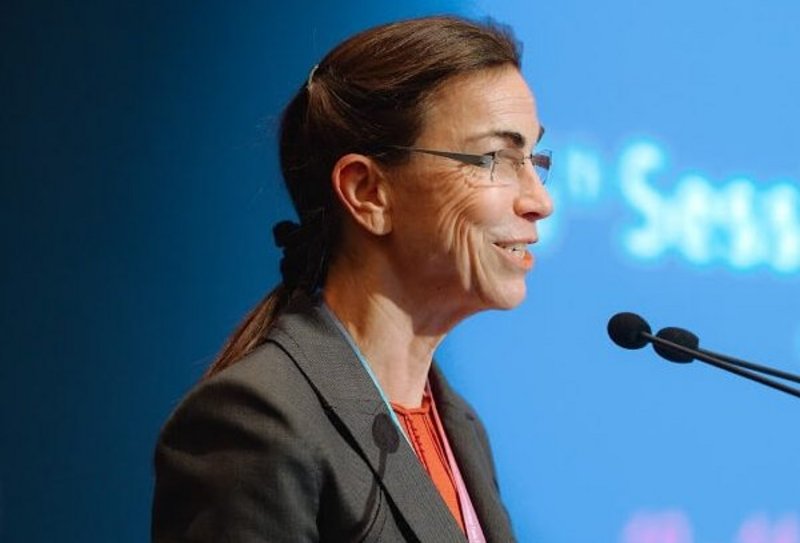
VETMED: Did you always know that you wanted to study veterinary medicine?
Elisabeth Erlacher-Vindel: I come from a family of doctors and my grandfather had a farmhouse where I also spent my summers. It was leased to farmers, there were cows and pigs, and I learnt to milk at the age of nine. I realised at the age of four that I wanted to become an animal doctor. My mother predicted that I would vaccinate obese dachshunds, but things turned out differently.
VETMED: How did you "turn off" into an international career after your training in Vienna?
Erlacher-Vindel : The training at the Vetmeduni is very broad and I was very happy there. The economic aspects of the degree programme also helped me to quickly find my way around everywhere. In the international environment, I realised that vets get on quickly and have a lot in common. For example, the experience of spending many hours with your arm in a cow during your training? I took my first step into an international career after completing my doctorate in animal breeding. I was already working as a teaching assistant and was financially independent. After a long time in a long-distance relationship, it was a personal decision to follow my future husband to France.
VETMED: Did you speak French well? How did you manage to enter the profession you had learnt?
Erlacher-Vindel: My French wasn't good at all. I struggled for years, especially with the written language, learning on the job. At that time, Austria was not in the EU and my studies were not recognised. My father-in-law was at the Institut Pasteur in Paris and I was able to do a six-month internship there as a non-French national. I then helped out in veterinary practices in the city and in the countryside, while the desire matured in me to do something of my own at my professional level. As I had always been interested in dairy technology, I started a specialised Master's degree in France. This dual training enabled me to start at the French professional organisation for the dairy industry (Centre National Interprofessionnel de l'Economie Laitière, CNIEL).
VETMED: What did you do there?
Erlacher-Vindel: France is famous for its raw milk products, but there were problems with listeria. I was the only vet in the food safety department and had contact with dairy farms all over the country. Ultimately, it was about spreading knowledge about milk hygiene, and later also further researching and building up expertise. I was also active in the International Dairy Federation (IDF) and always felt very comfortable there, because the topics of the dairy industry immediately create common ground internationally. Through the IDF, I also joined the OIE (short for Office International des Epizooties), which is now called the World Organisation for Animal Health (WOAH).
VETMED: You started at the WOAH in 2008, how did this change come about?
Erlacher-Vindel : As an IDF expert, I was invited to a technical meeting where I was able to make factual suggestions for improving practical hygiene guidelines. Shortly afterwards, I was offered a job at the organisation's headquarters in Paris. At the time, I took a sabbatical with the option of returning to the CNIEL because, coming from the private sector, I was unfamiliar with international administration. It wasn't easy for me to grow into the OIE at the first attempt. It was very stressful, my twins were in their final year at school. But basically, I already had the feeling that I was comfortable working internationally and finding a common denominator - we Austrians are often quite good at that.
VETMED: How did you find your way back into international administration and what do you like about it?
Erlacher-Vindel: I switched back at the time because it was necessary, but I was missing out on the international side. Then the scientific department at the OIE grew enormously and I was asked if I would come back as deputy. I was keen to turn over a new leaf and the timing of my involvement fitted in well with my stage of life. The activities, namely producing technical information on various diseases worldwide and the growing interest in the topic of antibiotic resistance, were very tempting. We started organising regional training seminars and international congresses. As the scientific and technical department continued to grow, a separate department for veterinary products and antibiotic resistance was eventually established, which I headed from the beginning. Over time, several of my long-standing employees have taken over their own departments. That makes me particularly proud.
VETMED: You are now formally retired, live in Morocco and work as a Senior Advisor on research projects on antibiotic resistance at the WOAH. What excites you about this?
Erlacher-Vindel: It was foreseeable that resistance would become an increasingly important topic. The WOAH works together with the UN organisations FAO, UNEP and WHO in the area of animal husbandry in accordance with the One Health principle. If you find it enriching to see other people, perspectives and approaches, to familiarise yourself with new social structures and ways of working, then working in an international environment is very exciting. This requires openness. You have to be prepared to question your own truths. It's an exciting job because you can make a big difference as a committed team leader - on a global level.
VETMED: Is the WOAH like the UN for animal health?
Erlacher-Vindel: WOAH is not a UN organisation, it was founded back in 1924 and has 182 member countries. Delegates are the respective heads of the national veterinary authorities. We work very efficiently and are relatively flexible. Once a year, decisions and international standards that are also recognised by the WTO are adopted at meetings of all delegates - that's important.
VETMED: Did your studies prepare you well for the job?
Erlacher-Vindel: I'm an advocate of broad basic training, because it's not so easy to get out of specialisation. You can encounter all subjects at some point and your eye for the big picture is trained. Whilst I nostalgically studied meat and dairy hygiene during my degree, this later became very relevant for me. What I wasn't prepared for during my studies were administrative skills. I also think it would be important to have more lecturers at the Vetmeduni who talk about international opportunities. I would like to see more Austrians in this field. After all, the challenges are also global. It was a difficult time for me from the Pasteur Institute to my first job, but I persevered. It didn't help my self-esteem that my training wasn't recognised. That has certainly improved thanks to the EU. But the doors were always open among veterinarians.
VETMED: When are you really going to retire?
Erlacher-Vindel: At the moment I'm enjoying it a lot, the pressure is off and I no longer have regular working days. Once a month I fly to Paris and meet up with my successor and colleagues at the headquarters, and from there on to Vienna - that's just the right thing for me now.
VETMED: What do you miss about Austria?
Erlacher-Vindel: Living on another continent is a great experience. There are many very nice coffee houses in Morocco, but when I'm in Vienna, I go at least once a day. Fortunately, I don't have to miss anything because I visit regularly.
The interview was conducted by Astrid Kuffner.


VETMED: How did you ultimately turn your talent for drawing into a profession?
Claudia Amort: I loved drawing even as a child and my first career aspiration was to be an artist. But I also always wanted to know exactly how the body works. After my A-levels, I initially turned to this second passion and studied biomedicine at the University of Veterinary Medicine. I continued to draw in my free time and there were also plenty of opportunities to do so during my bachelor's degree, for example during presentations - I was always very visual when studying too, with mind maps and small drawings. I only found out about the profession I'm doing now, which combines art and science, in the penultimate semester.
VETMED: What happened and what did your further training as a scientific illustrator look like?
Amort: Up until the 5th semester, I was convinced that I wanted to become a researcher. The new dream job fell at my feet by chance. A girl on social media told me about her studies in the USA and what she was doing there. Of course, I started looking for training programmes the following night. There aren't that many schools, some in the USA and Canada, in the UK and in the Netherlands. At the Zuyd Hogeschool in Maastricht, I was interested in the focus on people and animals. Because there are only eight students per year, the programme can be easily adapted to your own professional goals. The admission procedure was of course competitive: with a portfolio, an interview and a practical assignment that had to be handed in within two days.
VETMED: Did the Bachelor's programme prepare you well for your career? What were you able to add in the Master's programme?
Amort: Yes, I was well prepared professionally because the Biomedicine Bachelor's programme covers a wide range of topics. That helps me in my work. Not forgetting the soft skills: after the many presentations during my studies, I have no problem speaking in front of a group of people. We also had courses in time management and as a student you generally learn to think for yourself, take responsibility and rely on your own abilities.
In Maastricht, I also learnt about art and business: creating a budget, writing invoices, finding customers, marketing and positioning, but also how to deal with dissatisfied customers. My holiday jobs in the hotel industry probably also helped me with this. You learn to adapt to people, recognise their needs and talk to them. It takes stamina and I've got used to working long hours.
VETMED: What is the difference between a drawing and a medical illustration?
Amort: The most important thing is that what I draw is accurate, detailed and scientifically correct. There are also colour conventions that need to be observed to ensure recognisability. For example, muscles and arteries are always red, nerves yellow and veins blue.
VETMED: What do you use and how do you work to ensure this quality?
Amort: I have set up a workspace at home and work remotely with my customers a lot. I use my laptop, have a drawing tablet, but also work traditionally with watercolours, pencil or oil paints. So I have a wide range of materials and methods at my disposal. A drawing is always an interpretation of reality, but I can work well from photos. However, the best source is to dissect things yourself. You have to be good at that. For some projects I have to be on site, for example to see an operation with my own eyes. That's worth more than a video. The same applies if not much is known about the anatomical relationships of an animal. Then I have to dissect it myself and see what it looks like in order to gain a sound understanding.
VETMED: You work as a freelance illustrator, what do you like about it?
Amort: I can expand my scientific interest and expertise with every assignment, I'm always learning more. The great thing about my job is the variety. I throw myself into a project for a few weeks and then something new comes up again. I'm also not an early riser, so I can organise my working hours freely. I alternate between drawing, writing emails, customer meetings, conferences and workshops. Of course, you also have to want this broad spectrum with customer meetings, marketing, flexibility, bookkeeping, travelling, etc.
VETMED: "Empowering your science with my visual expertise" is the slogan on your website. What importance do you attach to your way of communicating science - especially in times of digitalisation and moving images?
Amort: I think medical illustration is extremely important and valuable. We humans are simply visual creatures. Even when we read an article, we would first look at a picture and try to understand what it is about. So I pick people up and help to make science visible. A picture is accessible to everyone and can bridge language barriers and differences in knowledge. This supports communication between the research community and informs the general public, for example when I draw illustrations for patients. They can visualise a therapy method, for example. They can see what is happening and I can take away some of their fear. Photos of an operation are simply daunting.
VETMED: How would you describe your style? Do you have any role models?
Amort: My studies in Vienna certainly contributed to my style - there is still a scientist in me and you can see that in my art. I work in great detail, as is necessary in research, with soft, pastel colours. This is probably a kind of European style, a visual culture. I see Leonardo da Vinci as a role model. He dissected a lot himself, even though it was frowned upon in his day - that's how important it was to him to gain knowledge. But basically, I don't want to be influenced too much on my own path.
VETMED: Who commissions you?
Amort: My clients come from research, i.e. universities or institutes such as the Vetmeduni. Another area of work is patient education for hospitals and doctors' surgeries. And I work in the healthcare sector and show how products work, for example. I also hold workshops, for example at the Natural History Museum in Vienna.
VETMED: What do you do in a creative crisis?
Amort: Fortunately, I've never had an "art block", I've always been inspired enough. As a self-employed person who could be constantly preoccupied with her work, I find it important to organise time for breaks and leisure. To balance out my desk work, I like to go climbing.
The interview was conducted by Astrid Kuffner.
Practical examples for the illustrations by Claudia Amort:
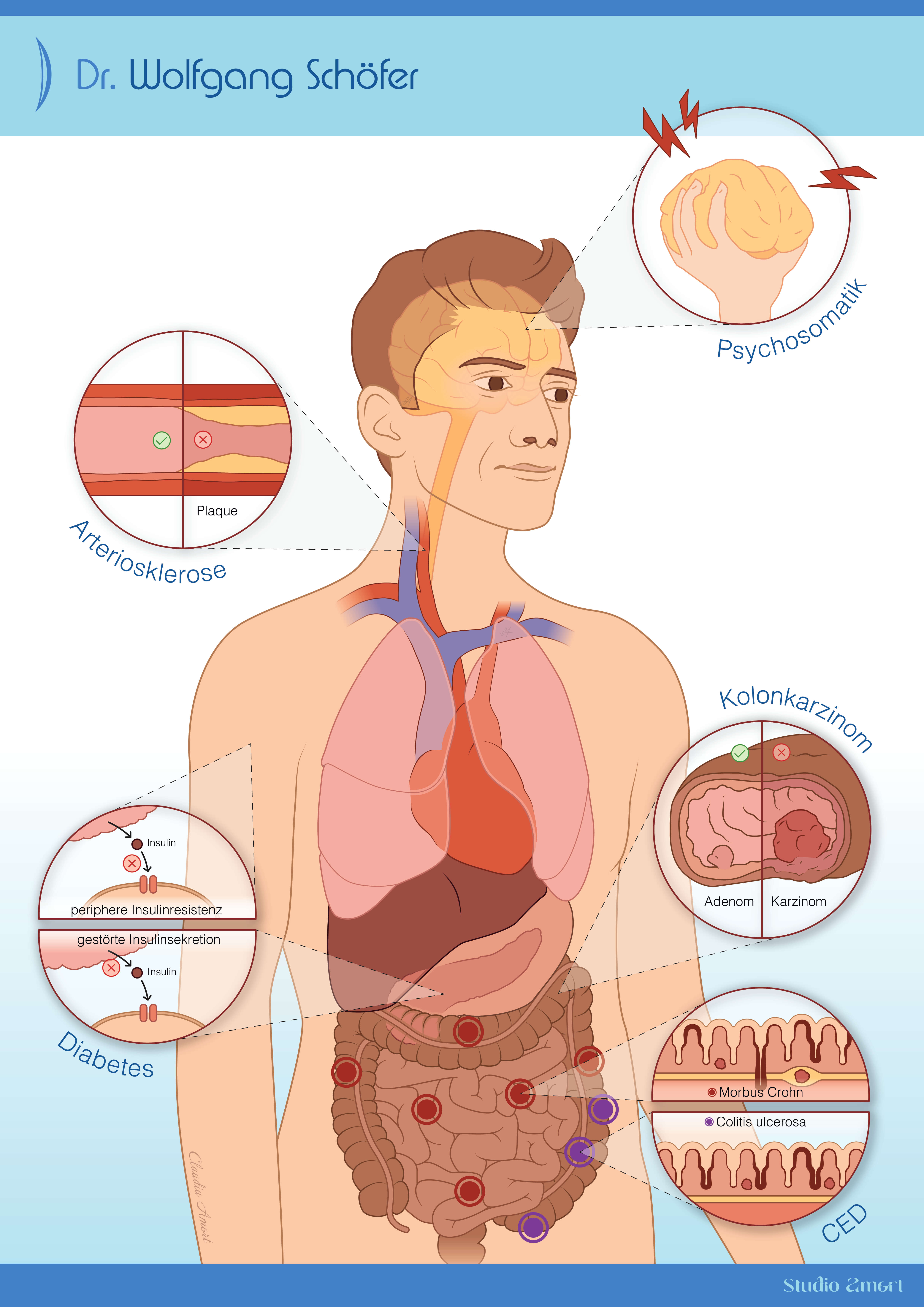
Alumna Amort designed the poster for a specialist doctor and is used to inform patients about the most common diseases in gastroenterology.
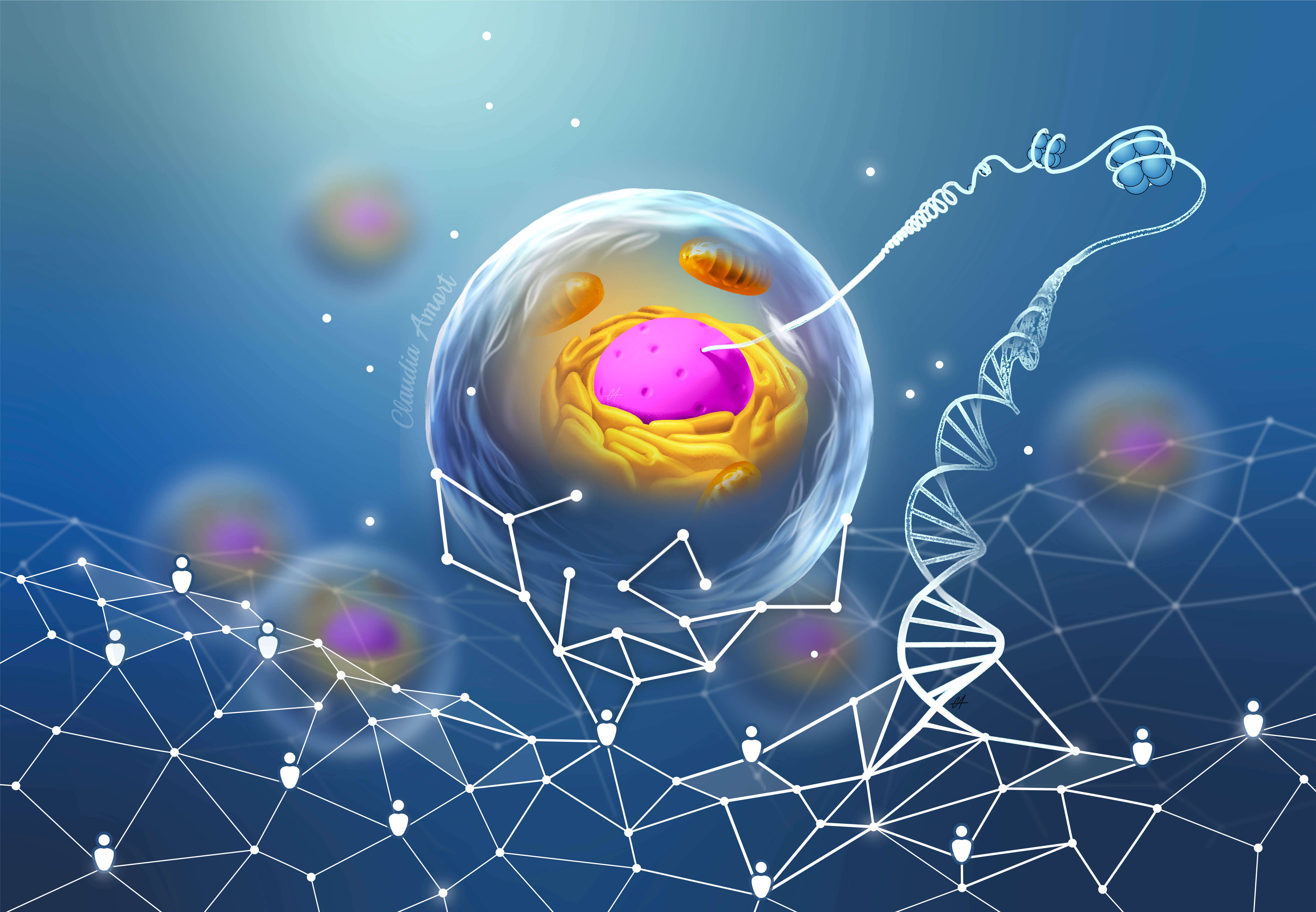
For the German Cancer Research Institute (DKFZ), Amort created a hero image for the website of a research group that summarises the central aspects of research in genomic medicine.
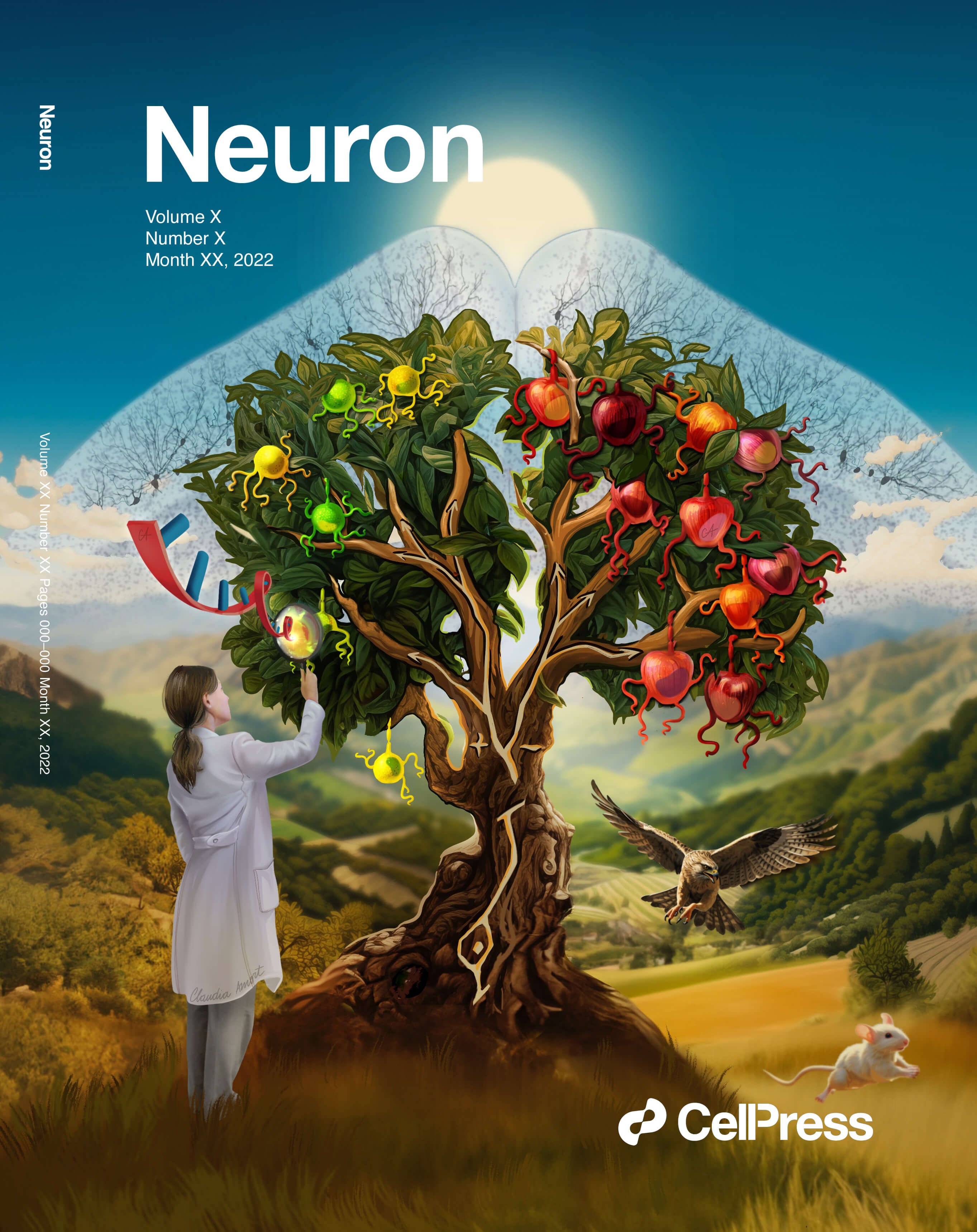
Cover picture for the science magazine "Neuron" of ISTA - Institute for science and technology Austria on the differentiation of neurons in the superior colliculus
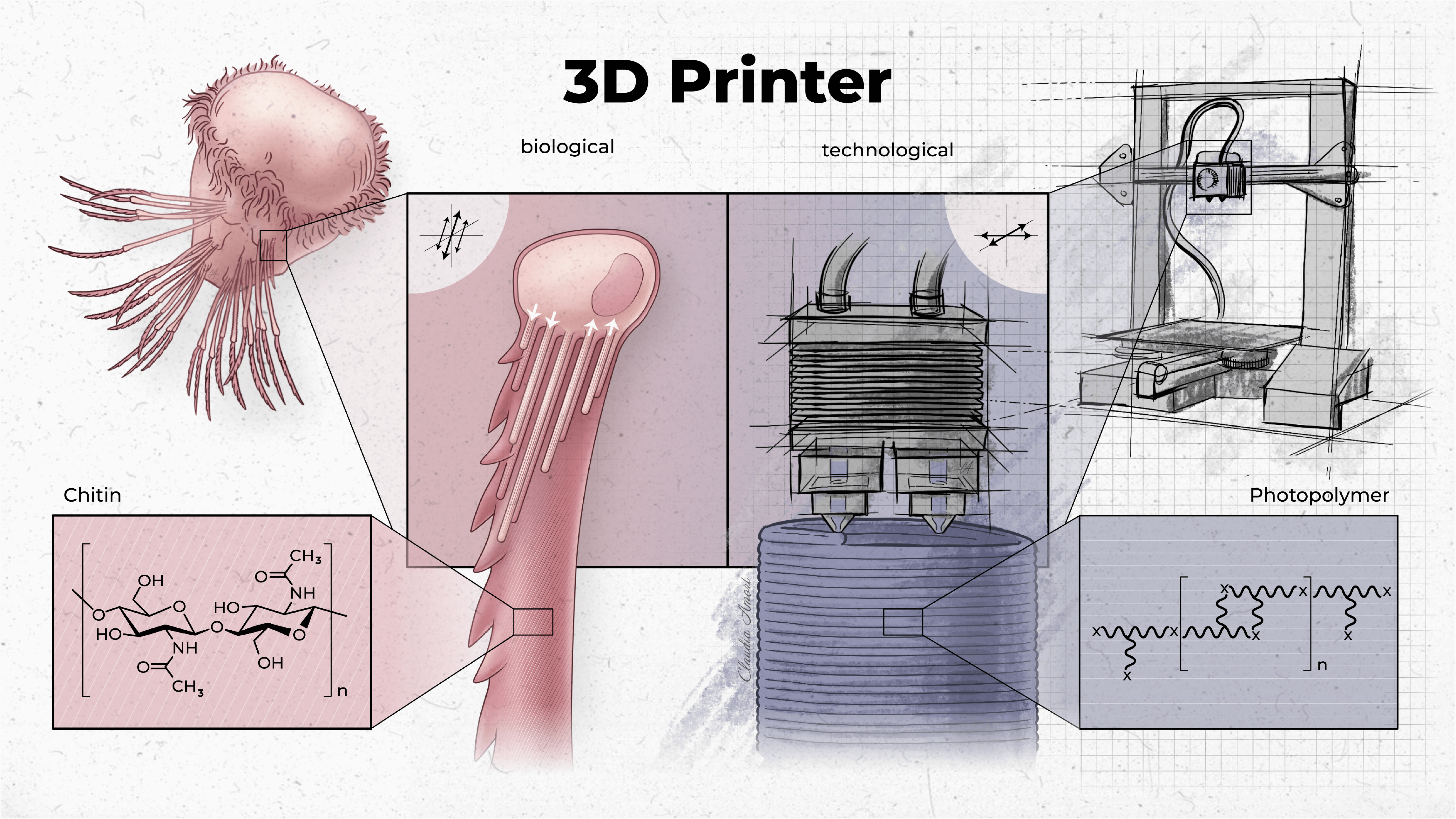
Illustrations can be used to better visualise complex information. Amort created an infographic for a press article on the formation of material in a worm compared to a 3D printer for the University of Vienna.
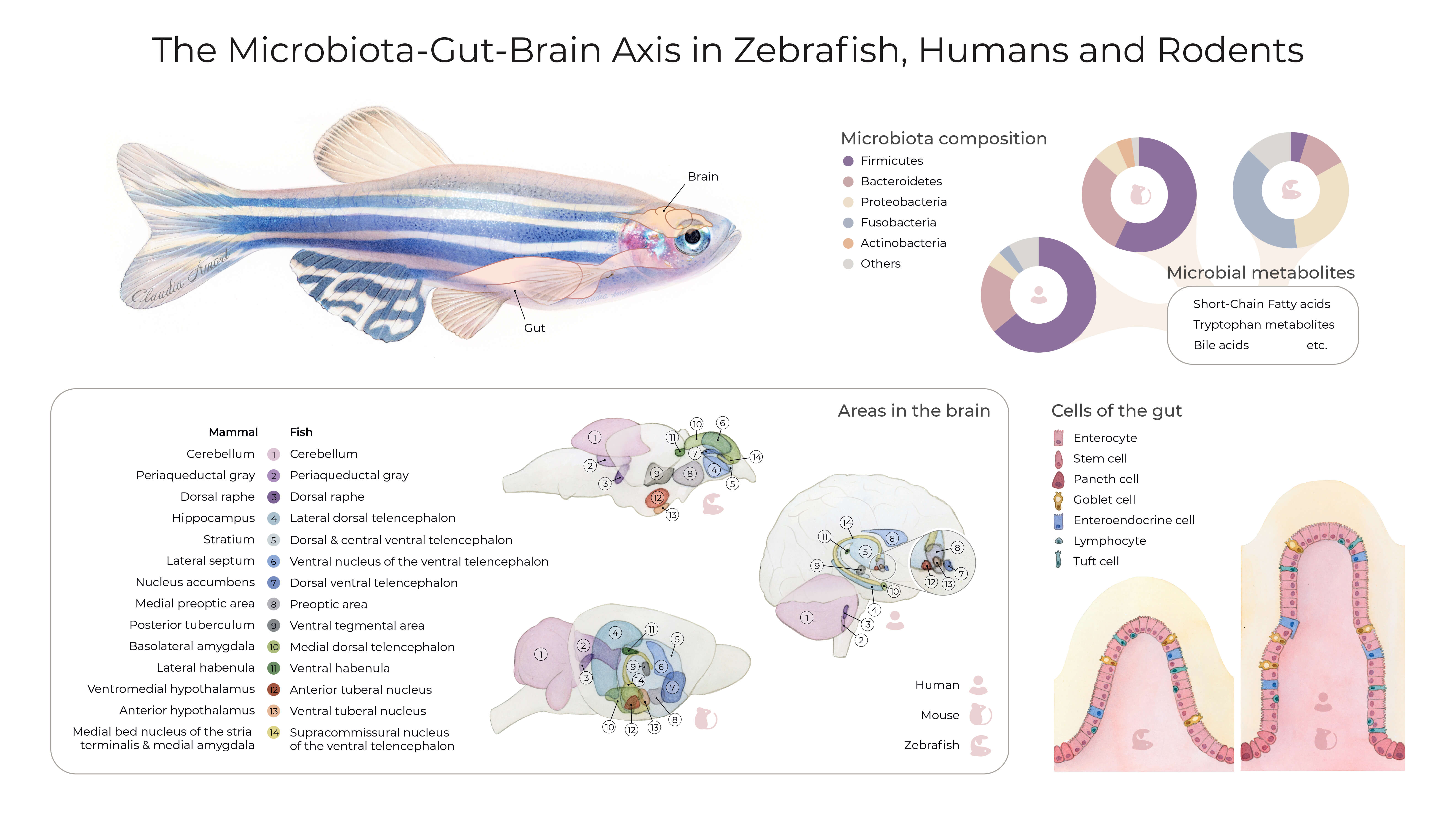
UCC - University College Cork, Ireland, used Amort's expertise for an illustration as part of a publication on the comparison of the microbiota-gut-brain axis in zebrafish, humans and rodents.


VETMED: You founded your consulting company www.schweinekompetenz.at a year and a half ago. The domain is a strong announcement, how did it come about?
Werner Hagmüller: My consultancy work in pig farming, barn construction, feeding and management has developed over many years, so I have to go into more detail. I grew up on a dairy farm and graduated from HLBLA St. Florian. My original career goal was to become a large animal practitioner for cattle. I studied veterinary medicine with the desire to become really good in one speciality. After graduating, I had the feeling that I knew a lot at a glance, but still relatively little in depth. That was a bit frustrating. I then started at the Institute of Organic Agriculture at the HBLFA Raumberg Gumpenstein, worked for ten years with a colleague in a large animal practice and wrote my dissertation.
VETMED: How did that come about? That sounds like a diversion to specialise in pigs.
Hagmüller: In fact, it was a coincidence that led me down this path. The head of the institute took me to a cattle insemination course in his car and offered me a part-time position at the institute and a PhD thesis. I then spent many years at the HBLFA working scientifically on organic farming, so I trained intensively here and established the specialist area of alternative pig farming at the Wels site. As a vet, I take a holistic view of animal health. Origin, husbandry, barn construction, feeding, management and many other factors have an impact on it. The spontaneous offer ultimately turned into 25 years, during which I have headed the institute since 2014.
VETMED: What happened then?
Hagmüller: I turned 50. That's when others buy a motorbike. I switched from my job in the federal service to self-employment in 2023. We delivered many years of interesting and widely effective projects on organic pig farming, but at some point you run out of humour. I had the feeling that I could no longer deliver new ideas. I needed a cut. Although I had a lot of creative freedom as a boss, I no longer wanted to be employed for 40 hours and travel to work. At home, I already had my small business with free-range fattening pigs and direct marketing, where I was busy before and after work.
VETMED: And are you working less now?
Hagmüller: It's probably more about time autonomy. I'm happy because I now work 100 per cent professionally, I don't have to write any applications or reports, I don't have any project specifications and I don't have to coordinate anything. The downside is that I have to take care of my own income. But I was no longer under construction: the house is paid off, some of our four children have already left home and my wife runs a small animal surgery - I no longer have to prove anything to anyone.
VETMED: But how exactly did you switch from cattle to pigs?
Hagmüller: Up until my dissertation, I was all about cattle. For the son of a dairy farmer, the pig is first and foremost a second-class animal, uninteresting and it stinks. Then I heard a lecture by Martina Jugl-Chizzola on the subject of phytotherapy in pigs. I realised that we don't know enough about alternative forms of husbandry because most pigs live in factory farms. At the institute in Wels, we converted a cattle barn into a pig barn, and at the same time I set up my farm with meadow pigs in Oftering. There was no specialisation during my studies back then, so it was a lot of learning by doing. It was good for me not to be too preconceived, but to be curious about the new animal in order to get to know it better. Pigs' behaviour is very easy to control via the barn because they are so intelligent. So I spent many years building up my specialism. I would never have thought at the beginning of my studies that I would be giving lectures or working in science. At the HBLFA, I always said yes to challenges. Looking back, this has enabled me to develop in a way that would not have happened if it had only been up to me.
VETMED: What does your day-to-day work look like today?
Hagmüller:There isn't one, that's what excites me. I have a veterinary licence without a practice dispensary, so I'm not in competition with the animal health service or practitioners with a practice dispensary. If a large animal vet is not available in the region, they call my wife, who employs me part-time in the surgery. Then I help because I can and it's my duty. But I rarely deal with acute cases - I'm a consultant for farms on the topics of feeding management, stable construction and husbandry, always from the perspective of animal health. The changes I suggest don't have to happen immediately, but should ultimately make the livestock healthier. I am called when everything is formally done correctly and yet problems arise or a pig expert is requested.
VETMED: Who is your target group - organic pig farmers or conventional farmers who want to make changes?
Hagmüller: I am known to organic pig farmers from my research work and I offer a helpline, whereby this advice can then be billed via Bioschwein Austria. Animal welfare is becoming more and more of an issue and most of my customers have conventional husbandry and now want to take a step: create more space, a run, a second climate zone - they want to get out of the corner that society has pushed them into. It's easier when young people take over the farm from their parents and have to invest anyway. I'm usually really good at helping with that, although it doesn't always have to be a new build - a lot can also be done in existing buildings. In a relatively new, highly conventionally equipped business, it's more difficult - that's where I provide realistic assessments.
VETMED: Domestic pigs are constantly under threat from many diseases. Can your concepts make a difference?
Hagmüller: When it comes to barn construction, biosecurity is an important part - opening up always means risk. I always make it very clear that protecting your own livestock from infection is the most important thing. As part of the Biosecurity Commission at the Ministry of Health, I know the requirements well.
VETMED: Are you now as specialised as you always wanted to be?
Hagmüller: My niche is animal health in pigs - in advising individual farms - this is where I feel I am a specialist. However, I would like to tell all my colleagues that veterinarians have the most comprehensive training for this kind of networked thinking. We know the interrelationships of the influencing factors and the consequences for animal health. We can therefore be confident that we can look at more aspects of animal health again and not just offer diagnostics and therapy.
The interview was conducted by Astrid Kuffner.


VETMED: Did you always want to become a vet? Or was being a professional musician also an option? You studied viola at the conservatory in Vienna and Vorarlberg and played in orchestras.
Annette Nigsch: For a long time, I was actually split as to whether I wanted to be a musician or a vet. It's just that I can be a vet and make a lot of good music at the same time, but not the other way round. I grew up in a steep, secluded side valley in Vorarlberg, on a very small mountain farm with cows. A lot of manual labour takes place there and I was involved in these activities as a child. When the large animal practitioner came round, it was an important and interesting visit and shaped my career. Music was played in the local band.
VETMED: You were the first in the family to go to university. How did you get on?
Nigsch: It was good for me to take this step on my own at the age of 19 - to move from a mountain village to the centre of Vienna. I earned money as a musician on the side and received the highest study grant because of my background.
VETMED: How did your specialisation come about after you started?
Nigsch: My goal was to become a large animal practitioner. I didn't realise that there was such a thing as a public veterinary service when I started my studies. My eyes were opened by an elective subject with Hermann Unger on the "Epidemiology of Emerging Diseases". An article stated that more people are needed to bridge the gap between animal health, the laboratory and interventions to protect human health. That's when I knew that's what I wanted to do. There weren't many students interested in veterinary public health - hence the support from employers. In my year, we founded the "Public Health Pool" association to get more students interested. In the meantime, this initiative has fallen asleep, but we have convinced a few people.
VETMED: From 2009 to 2012, you completed a completed a residency programme at the European College of Veterinary Public Health (ECVPH). Why was that important?
Nigsch: It was a whole new world compared to university, where the compulsory veterinary subject was one of the last mini-exams in my curriculum. I have to be a vet to do my job and I learnt important basics during my studies. I went to the Royal Veterinary College in London for my diploma training and was able to spend three years studying my specialism intensively. Epidemiology and statistics were important, risk assessment, but also how the laws and international regulations in the field of animal health work.
VETMED: You moved from the State Veterinary Directorate in Bregenz to London - quite a leap.
Nigsch: Believe me, it's easier in this direction than the other way round(laughs). I was very lucky that my supervisor gave me a free hand. During my residency, I put together my own programme and applied to the network. For example, I was at the European Commission in Brussels, the WHO in Copenhagen, Defra in London and SAFOSO in Bern. You have to know the institutions and their possibilities well and see the levels in context in order to be able to pull in the right direction. Every experience in this area counts. Today, I am on the ECVPH Education Committee myself and read the CVs of many great people.
VETMED: You have repeatedly changed location professionally...
Nigsch: That's right! I moved for the 25th time at the beginning of 2024. I'm now very good at that. I've given up my dream of owning my own home with a garden and pets for the time being. My life fits into a bag with a laptop, toothbrush and business cards.
VETMED: What does your day-to-day work at AGES look like now? You have been Head of the Institute for Veterinary Examinations in Innsbruck in the Animal Health Division since the beginning of 2024?
Nigsch: At the IVET Innsbruck, the focus is on infection diagnostics for small ruminants. The Pathology Centre West, the National Reference Laboratory for Parasites and Trichinella and the Competence Centre for Alpine Wildlife Diseases are also located at this site. There is close cooperation with practising and official veterinarians, animal health services, hunters and animal owners. Alongside Mödling and Linz, Innsbruck is one of three AGES IVET sites responsible for monitoring animal diseases in Austria. We take tens of thousands of samples of livestock and wild animals from western Austria every year, a fairly broad spectrum, but routine for us. My employees are involved in important laboratory diagnostics, and my medium-term goal is to also set up an epidemiology group in order to further increase the added value from the laboratory data.
VETMED: You deal with infection dynamics and early detection - what works well and where are there gaps?
Nigsch: Many processes are regulated by law from the time of a suspected outbreak. In my opinion, there is room for improvement in early detection, which ultimately depends on disease awareness outside in the stables. This is primarily a question of communication. What occurs in a wild animal can become a livestock issue and a real problem in humans. We need to become faster and more transparent. Corona has put the topic of One Health high on the agenda. A practical example of its implementation would be If a GP knows that tularaemia/rabbit plague has been detected in rabbits or ticks in their district, they will also think about this in terms of differential diagnosis if a patient has swollen lymph nodes. Conversely, if a person is diagnosed with tularaemia, we need to react and ask ourselves where they have become infected in order to prevent further cases.
VETMED: You were an independent consultant for five years. Now you work in an agency close to the authorities - what is the attraction for you?
Nigsch: I made the decision because I want to put my work as an expert on the ground - AGES is the right place for that. We will have to deal more intensively with wild animals and vectors in the future and need colleagues who are familiar with cross-sectoral issues relating to human, animal and environmental health. That's why I also teach at FIWI. At AGES, in addition to my management tasks, I am expanding One Health surveillance together with colleagues from various institutions, including the Vetmeduni. This includes national mosquito and tick monitoring as well as targeted surveillance of avian and swine influenza viruses, which have been prioritised by the WHO, ECDC and EFSA.
Being on alert as a daily working environment: how do you deal with this?
Nigsch: When I started in January, I asked all employees to attend an introductory meeting. Like me, a lot of people work here "because it matters". Constant alertness is part of it. You can also see it that way: There's energy behind it and it's good for you.
The interview was conducted by Astrid Kuffner.


VETMED: Did you always want to become a vet?
Martin Appelt: I always had and still have several interests: the fire service, I was heavily involved in the army for a while and veterinary expertise in disease control. On closer inspection, they have things in common: the idea of helping or regularly being confronted with a surprising situation that you have to analyse and solve. That already reflects my inclinations. I was always interested in animal husbandry because I often spent summers with my relatives and their farm animals. When I retired, my new full-time job was studying. In addition, I always did some work, for example, I towed away parking offences in Vienna.
VETMED: How did the move to Canada come about? Had it been your dream country for a long time?
Appelt: Love brought me to Canada. As life goes. After graduating, I worked in a farm animal practice but wanted to do a doctorate, so I looked for a suitable job for my specialisation in animal welfare and animal transport. At the time of the ongoing accession negotiations, I was working as an official veterinarian at the Czech border, which was an external EU border at the time. So it was only a matter of time before my job would no longer exist. I had learnt a lot about "One Health" from my work in the army and in disease control and wanted to continue in this field. It's perhaps a personality trait: I have an aversion to positions where I feel locked in, with no opportunity for advancement and development. So in 2001 I decided to go to Canada.
VETMED: Canada is known for preferring to hire qualified workers as citizens. Did everything go smoothly?
Appelt : Immigration as a skilled labour force is in the national interest, but for highly regulated professions such as veterinary or human medicine, the professional associations are involved. They set standards for the profession to ensure quality and thus limit immigration. It took me five years to get my Canadian licence to return to my profession. That was a lot of learning and a big financial hurdle.
VETMED: In a federal authority, the Canadian Food Inspection Agency CFIA, on the other hand, you immediately gained a foothold. A remarkable achievement for a "newcomer"?
Appelt: I had a contact in the CFIA before I went to Canada. I realised that I wouldn't be able to set up as a vet straight away. The doctorate in animal welfare and animal transport was crucial in order to be recruited as a specialist. The Federal Veterinary Office deals with animal health, plant protection and food safety. Over the past 20 years, I have worked my way up from technical specialist to senior executive. Of the 250,000 employees in the Canadian federal service, only 2% are executives. So I can definitely be proud of that.
VETMED: What are your responsibilities as Senior Director of the Animal Health Programme?
Appelt: I have a team of 45 veterinarians and scientific specialists who develop all the protocols for animal disease control. It covers the entire spectrum from diseases that you don't want to introduce to those that are present and need to be managed. For import controls, we work together with other units such as customs or the police. We make contingency plans and execute them if necessary. There is no indirect federal administration in Canada as there is in Austria. The federal authority unites the employees in-house: from planning to the executive bodies that implement measures such as quarantine, culling or hygiene on site.
VETMED: You have already indicated that you are not a desk jockey. A colleague wrote about you on Linkedin: reliable and professional, leading people and getting stuff done. What does your administrative job combine?
Appelt: In my role, I can leave the office and go to the front line - and I do. It always helps when you experience the impact of your own plans. The administration has a different mentality overall. As a trained Austrian, I had an idea of how an authority works with its guidelines and rules. In the Canadian system, a lot happens by consensus, even though the law identifies the CFIA as the responsible authority. Here, the procedure is agreed in many preliminary discussions with all those involved before it becomes a regulation. There is less of a hierarchical hammer and more amicable discussions with partners and the business community about the plan, the goals and the procedure. This emphasised consensus-oriented work was new for me.
VETMED: We've already talked about the hurdles to the licence. How well did the training at VetMed prepare you overall for your work?
Appelt: Training has certainly changed since the 1990s. I was integrated into the Anglo-American system during my clinical year at the university in Dublin. You are practically drilled to be able to safely carry out certain activities as a veterinarian. You have a fixed place in the internship and have to achieve certain standards. In comparison, it is a very school-based system, with a class community and a personal relationship with the teaching staff. At Vetmed back then, it was all about personal responsibility, planning, thinking ahead and creating a functioning curriculum. This requires a certain amount of "waking up", but is much more anonymous. I have certainly benefited from both systems.
VETMED: Your profile picture shows you wearing a firefighter's helmet. Was it easier to gain a foothold here than when you were recognised as a vet?
Appelt: I started in the youth fire brigade when I was 12. My parents thought it was just a phase. It was difficult for me to give up my commitment in Krems. In Ottawa, I initially worked in a museum organisation restoring historical objects. There is a professional fire brigade in the city centre of Ottawa, the surrounding communities each have their own fire brigade with part-time staff, which are now organised via a mobile phone app. In 2005, my wife and I bought a house on the outskirts of Ottawa. I was on my way there with a new fridge on a trailer, but my first stop was at the interview for the Ottawa Rural Division Fire Department, where I am now an officer (lieutenant). The basic task of the fire brigade is the immediate elimination of hazards, e.g. we provide extended emergency assistance in the event of life-threatening medical emergencies, respond to traffic accidents and, of course, to fires. Natural hazards are an issue: floods, wildfires and even a tornado. The distances are enormous in comparison.
What do you miss about Krems?
Appelt: Apart from family and friends? The pastries from Konditorei Raimitz.
The interview was conducted by Astrid Kuffner.


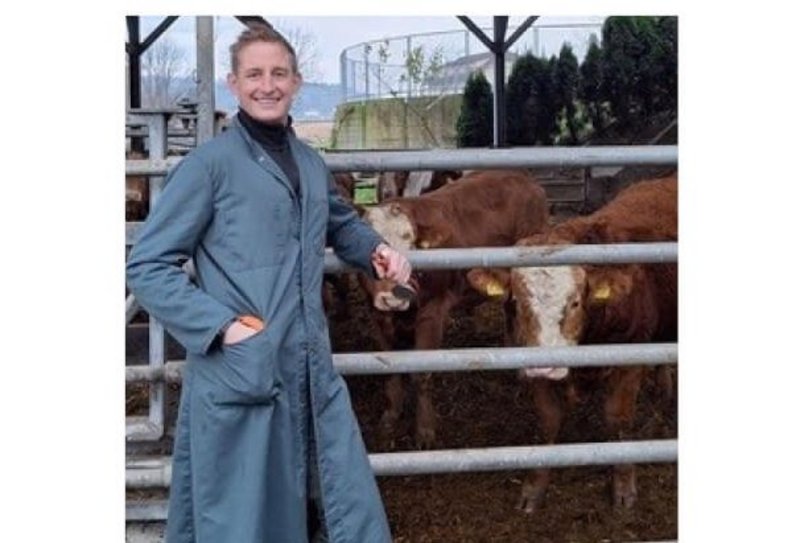
PROFILE:
-
FIELD OF SPECIALISATION: Poultry
-
POSITION DESCRIPTION: Veterinary practice and travelling veterinarian
-
CURRENT LOCATION: St. Andrä im Lavanttal/Carinthia
Wordrap:
-
I was at the Vetmeduni... from 2013 to 2019
My tip for graduates of the Vetmeduni ... Don't sell yourself short, but most people realise that nowadays anyway. Have the courage to tackle things, try out different specialisms until you find the right area. You don't have to stay where you thought you belonged. -
My favourite place at Vetmeduni ... was the ÖH bar and the sports field
Tell us about your home town of St. Andrä in the Lavanttal. Who are your animal and human customers?
Andreas Meißl: St. Andrä is a municipality with around 9,800 inhabitants in the Carinthian district of Wolfsberg. It lies in a medium-width valley surrounded by mountains. There is a lot of arable farming, but there are also poultry, cattle and pig farmers. My partner and I run the practice as a couple. We look after small animals in the village like a kind of family doctor. She specialises in cattle. As a poultry vet, I travel all over the district from Lavamünd to Reichenfels and sometimes as far as central Carinthia.
You always wanted to become a vet, but took a few detours beforehand. How did you ultimately realise your dream job?
Meißl: I attended secondary school and then an agricultural college. I then did an apprenticeship as a mechanic with a school-leaving certificate. I was an apprentice in a construction company and repaired excavators, lorries, cars, road rollers and crawler tractors. At A-level school, I prepared once a week for my vocational school-leaving examination. I took the biology exam that was compulsory for studying veterinary medicine. I also made up for the Latinum. I put all my eggs in one basket and was accepted on my first application. On 9 September 2013, I received confirmation of my admission to Vetmed Uni by email and a week later I was sitting in the lecture theatre for the physics refresher course. So I had set myself a goal and I was lucky.
Did you have any role models in the profession?
Meißl: When I was a child, my parents had a small farm with dairy cows, turkeys and direct marketing of bread, cheese, curd cheese and eggs. As a result, I always saw veterinary colleagues working on our farm and was always very impressed.
What does a typical working day look like? Or is there no such thing?
Meißl : We do have a bit of a routine. Poultry stock management in particular is easy to plan. In cattle practice, you sometimes don't know in the morning when the day will end and how(laughs). We start at 7.30 in the morning, unless there is an emergency earlier. We are always available during the week and at the weekend we are on call every four weeks in the district emergency service wheel. This works extremely well, as we are very well networked with our colleagues in the district.
After other stations, which we will talk about later, you returned to your home town. What did you find?
Meißl: We had already made some preparations, as it was always my goal to return to Carinthia.
We finished building the granny flat in my parents' house while I was still studying. I now live directly on the farm again and have converted an outbuilding for the 2022 practice. Those were intensive years, but now everything is ready.
Did the degree programme prepare you well for your own practice, also in a commercial sense?
Meißl: You have to be a generalist. We were very well prepared for pigs and poultry, but I had to learn more about other areas at the beginning so that I would be fit to work as an independent vet. I am firm and confident in the livestock sector. When it comes to horses and small animals, I can assess myself and my professional limits well - I refer on to specialised colleagues when necessary. As a self-employed person, you need a lot of bookkeeping, cost accounting and business studies. Unfortunately, university gives us very little knowledge in this area. I was able to benefit a lot more in these areas through my apprenticeship and technical college. At the time, it seemed boring and unnecessary to me, but it turned out to be true: You can use everything you've learnt at some point.
Which stages and internships have particularly stuck with you - what experiences were relevant alongside your studies?
Meißl: My clinical rotation at the University of Munich, which I completed during my studies, was particularly instructive. The internship at a veterinary practice in northern Germany, which specialises in poultry medicine, was also very impressive. She looks after as many chickens as are produced in the whole of Austria. I benefited enormously from this for my future work as a poultry vet.
In the field of cattle medicine, I learnt a lot in an internship with Dr Franz Schlederer. I was also able to gain valuable experience during my military service as an army vet at the Rottweilers in Kaisersteinbruch in Burgenland. After completing my studies, I was employed by a colleague in Carinthia in the field of poultry medicine and then worked for two years in a veterinary clinic in Tyrol.
What do you like about poultry practice?
Meißl: What I like most about poultry practice is looking after the flocks - in my case mostly chickens, ducks and geese. It's not just about keeping the flocks healthy, but also about improving their performance. When problems occur, finding a diagnosis is an almost detective-like task in which looking at the overall picture - the climate in the barn, ventilation system, temperature, feeding, etc. - plays a key role.
What about the work-life balance, especially because you work as a couple in the same practice? How do you complement each other?
Meißl: As my partner and I work together, we can cover our area of practice to the satisfaction of our customers. We have two well-equipped practice cars, which we can use to look after our patients even in far-flung places. We usually carry out small animal surgery together, as well as major operations. It's nice and enriching to be able to exchange ideas at work. Of course, as a self-employed person, you are constantly at work, but thanks to the good cooperation with our colleagues in the district, we can also take our days off.
There was a report in the district gazette about your son returning home - what was it like to become the news?
Meißl: Exciting! The media doesn't always report exactly what you think. Some of the follow-up reports were wrong. It's completely new for me that more people suddenly know me - I have to get used to it.
What advice do you give students?
Meißl: Don't let yourself go crazy and don't forget to celebrate and have fun. The most interesting opportunities in life don't arise in the lecture theatre. Doors open both in further education programmes and internships if you are open to them and talk to people.
What is your motto - what can your customers rely on?
Meißl: If I say I'm available, then I am. I'm always reliable and friendly and take enough time for my patients.
(The interview was conducted by Astrid Kuffner as at Q4/2023)


Profile:
-
FIELD OF SPECIALISATION: Virology
-
POSITION DESCRIPTION: Professor of Virology and Head of the Mass Spectrometry Core Facility at the School of Medicine of the TU Munich
-
CURRENT LOCATION: Munich (Germany)
Wordrap:
-
I was at the Vetmeduni... from 1996 to my doctorate in 2003
My tip for graduates of the Vetmeduni ... If you are interested in something, you can do anything. It carries you for a long time. Have a goal in mind and know what the next steps are. -
My favourite place at the Vetmeduni ... the virology lab and the ÖH bar.
What brought you to the Vetmeduni? You didn't become a traditional vet. Was that once a goal?
Andreas Pichlmair: I actually wanted to be a vet since I was five years old. My father was a large animal veterinarian with his own practice in Oberzeiring, a village in Upper Styria. I found the profession beautiful and fascinating. I was particularly fascinated by how new life is created. Everything to do with breeding, reproductive medicine and births, but also diseases. When I started my studies, Dolly the sheep was cloned. I went to university with the prospect of staying for a while and doing research, but I never thought I would become a professor at a medical faculty. In the Vetmeduni curriculum, I stuck with the preclinical subjects, especially virology.
What characterised you in that environment? How do you still notice that today?
Pichlmair: The perspective on diseases from a medical specialism shaped me. Not many students in veterinary medicine specialise in virology and infectious diseases. With this interest, I was able to break down open doors on campus and received a lot of support. This encouraged me on my career path. I am still very grateful for the support of individual professors.
What attracted you to virology and how did you come to specialise further?
Pichlmair: When you feel the fascination for the subject, the paths open up. Viruses are very small pathogens with few genes that have an enormous impact on the entire organism. How can an organism with such a limited coding capacity infect human cells with 20,000 genes and hijack the structures for reproduction? This relationship and interaction are highly interesting and poorly understood. Does an infection occur or not? Does the host recover or does the disease worsen? What are the determinants of negative disease progression? We are now looking at this at the level of protein expression in the cells (proteomics). It is a complex subject area that combines the experience from my various places of work.
We have discussed how you came to Vienna. But how did you continue with your doctorate at the Department of Virology at the University of Freiburg (2002) and your PhD at Cancer Research UK in London (2004)?
Pichlmair: At the Vetmeduni we worked with retroviral vectors for gene transfer in order to develop therapies. When I moved to Freiburg, I was the first to show up when they were looking for someone to join the virology lab there. The renowned university hospital there brought the switch to human medicine and the interaction of protein molecules with airborne pathogens such as influenza, which are important for humans and animals. It is not easy to pinpoint the critical milestones on the career path. In the end, being a study assistant was probably just as important as applying for the professorship.
You head the Mass Spectrometry Core Facility at the Technical University of Munich. When and how did this technology come into your life?
Pichlmair: I went to London for my PhD and worked there primarily on the innate immune system. After that, the question arose as to which complementary technologies were suitable for advancing research in the field. I was lucky enough to meet Giulio Superti-Furga, who brought me to the Research Centre for Molecular Medicine (CeMM) in Vienna. There we researched proteomics in cells using mass spectrometry. It's a fantastic tool for identifying proteins and is also suitable for discovering new molecular mechanisms that are not obvious. Some people say that you can work with -omics technologies without any hypotheses. I don't see it that way. We had a clear idea of what we wanted to identify and what important questions we wanted to answer with this technology. Mass spectrometry gives you an insight into a bigger picture, but you need a concrete idea of what can be seen there.
How did your training at the Vetmeduni prepare you for your current field of work?
Pichlmair: I think you need a foundation to build on. For me, it's an understanding of the organism and physiological processes in the body. Even if we are working on small molecules today, there is always the question of how this affects the organism and the disease process.
Is the management of the Core Facility primarily a question of administration, or are you involved in many issues via the methodology?
Pichlmair: We quickly recognised the potential of proteomics at CeMM. I then expanded this expertise at the Max Planck Institute of Biochemistry. When I was offered a position at the Technical University of Munich, one of my goals was to establish the department here and make it available to the local research community. The facility itself naturally involves a lot of administration. In addition to our own projects, we are involved to varying degrees, sometimes only as service providers but also as active collaboration partners. We are not lone fighters in science - the Core Facility is a prime example of this. However, the majority of my working time is spent on my own research and, of course, teaching. I teach virology at the School for Life Sciences. We also attract students there who want to work with us and I see it as one of my tasks to support their career paths. I often remember how important it was for me to have support at this stage of my training to realise what I thought was important.
We haven't talked about your current research yet. Following a Consolidator Grant in 2018, you have been awarded a Proof of Concept Grant from the European Research Council in 2022. What is the topic of this basic research?
Pichlmair: Viruses infect cells and heavily remodel their structures so that they can use them for their own reproduction. Among other things, protein synthesis is important and we are looking at simplified cellular models to see what effects viruses have on the protein molecules in the cell. Which signalling pathways change or which countermeasures the cell takes to prevent viral infection. Protein abundance, i.e. frequency, density and stability, can only be characterised using mass spectrometry. At this level, we observe important regulatory mechanisms that are not yet well understood.
A viral infection induces a wealth of complex processes that we are trying to elucidate in the model. They are validated in more complex experiments in patient or animal models. We will probably not be able to fully investigate an overall picture of the real processes in our lifetime. We concentrate on aspects that can be characterised and that may have a therapeutic or diagnostic benefit. We have to reduce this and not forget that it is only part of the picture. This is how we try to bridge the big gap between application and research.
What do you miss about Austria since you moved the centre of your life to Munich?
Pichlmair: I miss the humour a bit. There is something special about the Austrian mentality: the lighter, more relaxed approach to difficult things. Maybe I'll set up a core facility for Schmäh here.
(The interview was conducted by Astrid Kuffner as at Q4/2023)

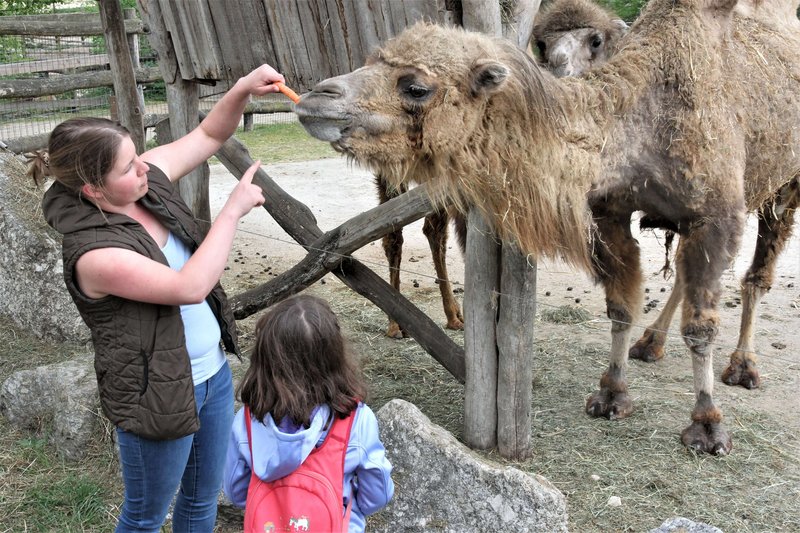
Have you always wanted to be a vet?
Barbara Forstner: No! I grew up as a bookworm on my father's pig farm in Upper Austria. My dream was to become an editor in a book publishing house, in other words to get paid for reading books. At my parents' request, I graduated from HBLA Elmberg, but despite my love of books, animals were a constant companion in my childhood and youth. I did internships on a dairy cow farm and worked on a sheep farm in Sweden. It continued at home. Not having baby cats in my bed was the exception. My mum is a teacher and it was important to her to teach us children about nature. She kept chickens and ducks. My father was a hunter and always brought back orphaned fawns, which we raised by hand. We had a dog and plenty of space, so we could keep all kinds of animals - from budgies to aquariums. I was allowed to learn to ride on the neighbouring farm and was soon working there every free minute. In the midst of this constant practical experience with a wide variety of animals, I developed the desire to continue my education here. I passed the entrance exam at the Vetmeduni on my first attempt. My parents rarely saw me because I was always gaining a lot of practical experience on the side. My brother thankfully took over the business. And today I am practising my dream job.
That must have been good preparation. The zoo in the town of Haag is home to birds, fish, small and large, native and exotic animals, various carnivores and herbivores. What are your duties as zoological director of the zoo?
Forstner: We are just over a dozen people in total in animal care and maintenance, so we are a small team. So everyone is responsible for everything. I took over the zoological management in January 2023 as a part-time job on a contract basis. The position was advertised and I was able to prove myself in the hearing among around 15 applicants. As a zoo vet, you are not a vet for zoo animals, but a habitat designer for many species. Responsible for everything from parasite management to reproduction planning, participation in species conservation programmes with all the documentation and registration, population management, breeding planning - it's a very broad spectrum. Removing animals from our stock to feed them is also one of my tasks.
Your main job is as a travelling vet with your own practice. How did that come about?
Forstner: I opened my practice relatively soon after graduating at the age of 26. Before that, I had already worked for five and a half years for Karl Auinger in St. Valentin, who was my predecessor as zoological director. He was an old hand and involved me in many treatments: in the zoo and in the stables. There's not much I haven't seen before. I've been an independent vet in the town of Haag since March 2021. That was a "now or never" story. The practice building was built near the zoo and the town of Haag wanted a vet in the town. I also do the meat inspection, for example. I wanted to get the business up and running before I had children. My daughter was born in December 2022.
Did university prepare you well for your two careers?
Forstner: I didn't take the Wildlife and Conservation Management module during my studies, but I spent six months working with Thomas Voracek, the head of Zoodocs at Schönbrunn. Instead, I did the specialisation module Food Science, Public Veterinary and Public Health (LöVG). That suits me very well today, because bureaucracy and contact with the authorities are part of my working life. In autumn 2023, we had an avian flu alert in the region. We locked up all our birds in the zoo, but we have a number of water areas where wild birds can also get in. We have to fulfil reporting obligations, testing and safety requirements for employees. I can only say that the module hasn't done any harm.
What was the most exciting emergency? The zoo is also home to lions, leopards, tigers and brown bears.
Forstner: Colic or births, that's when you're called out as a vet. Emergencies are not so frequent at the zoo, many things are predictable. Sometimes there are nasty injuries. The best emergency I was allowed to assist with was a caesarean section on a leopardess - that was a thrill. Unfortunately, the babies didn't survive, but the leopardess became pregnant again. The crux of the matter is that I am not a specialised vet, but am responsible for the fields, forests and meadows - the doctor and the dear animals. As a zoo vet, I have to be flexible and put my heart and soul into my work. I work very broadly and often have to be inventive. The conditions and the animal itself determine the framework. There is often no standardised medication or form of administration. I have to try things out. Recently I successfully used dried mangoes that my daughter had with her on a coati. Some time ago we saw an inflammation in the blood count of an old big cat and suspected pancreatitis. When we anaesthetised her, we saw that she needed a root canal. I had to get creative. Because that's not my speciality. I only have the 40 minutes where she sleeps well. I treated the broken tooth and curetted it. What's more, I can't rinse and look inside every day after the operation. Fortunately, there were no problems afterwards. Sometimes we need the courage to leave gaps. Perfection is not always possible, but I am constantly educating myself in various areas.
In addition to this courage, inventiveness and modesty, you probably also need live ammunition...
Forstner: The tranquilliser gun is probably my best friend when dealing with wild animals and in everyday use. A live weapon for emergencies has never been necessary. I obtained my hunting licence and firearms licence in Vienna during my studies
What do you see as your success so far - what are you proud of?
Forstner: I am pleased that I have a super team that I can rely on. I act according to the maxim that I learnt at a congress of the International Association of Zoo Veterinarians during my studies. There were some speakers who admitted at the end of their case presentations that they could certainly have done better. This guild is not aloof and doesn't think it has the best solution for everything. So I talk a lot with neighbouring vets and also exchange ideas with specialists about possible optimisable solutions.
What does your typical working day look like?
Forstner: I wake up my daughter, we have breakfast and drive to the zoo for the daily tour. I'm currently in the surgery for one and a half hours a day. If I have complex procedures, grandma or dad take our daughter. The former zoological director is my deputy and if I foresee that I will need specialist expertise, I call in colleagues.
Vetmeduni: Thank you for the interview!
(The interview was conducted by Astrid Kuffner).

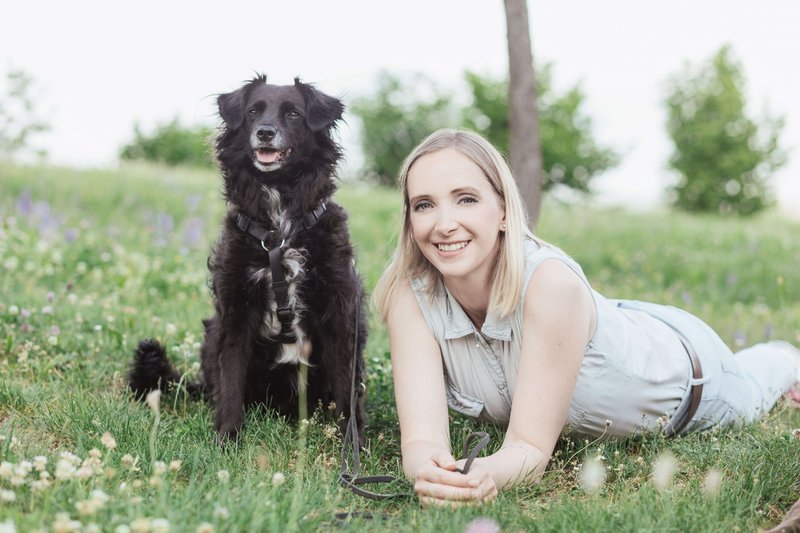
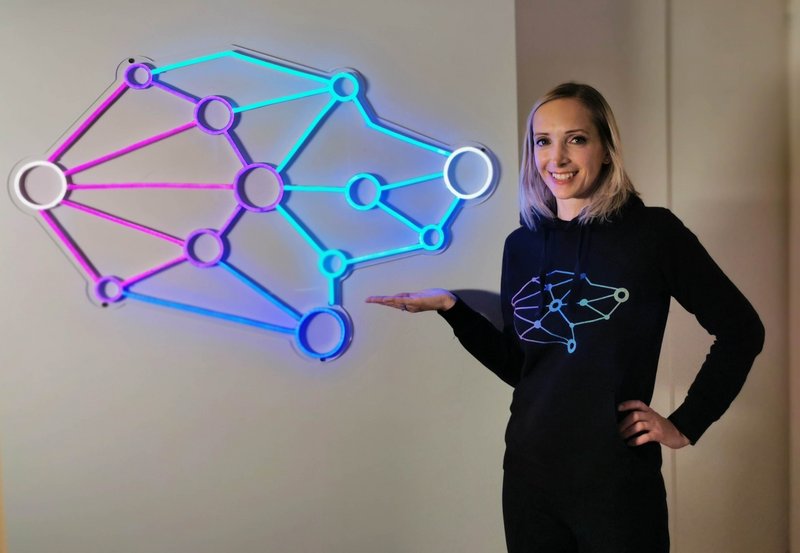
Sie haben zunächst Verhaltensbiologie studiert und ihre Bachelorarbeit über Makaken verfasst. Wie sind Sie auf den Hund gekommen?
Bremhorst: Schon vor dem Studium. Ich bin eine „Canine Scientist“, Hunde sind meine Kernforschungsspezies. Ich fand sie von klein auf faszinierend und wir hatten selbst einen Hund. Nach der Matura habe ich eine Ausbildung zur Hundetrainerin gemacht und so auch das Geld für mein Studium verdient. Ich wollte noch mehr über die Spezies lernen und ihr Verhalten erforschen. Mit meiner Bachelorarbeit an der Universität Göttingen habe ich meine erste eigene Forschungsstudie im Bereich Verhaltens- und Kognitionsbiologie durchgeführt und dabei viel gelernt, was auch für meine Hundeverhaltensforschung relevant war.
Sie sind also von Stuttgart zum Studium nach Göttingen und haben sich 2012 als eine der Pionierinnen im Interdisciplinary Master of Animal Human Interaction (IMHAI) eingeschrieben. Wie kam es zum Wechsel nach Wien?
Bremhorst: Während der Bachelorarbeit habe ich ein Info-Mail zu diesem Masterstudium bekommen. Als ich vom „Clever Dog Lab“ gelesen habe, dachte ich mir: Das ist perfekt für mich. Wir waren im ersten Jahrgang ausschließlich Studentinnen mit unterschiedlichen Vorerfahrungen, wurden aber in jede Richtung unterstützt und konnten eine breite Basis zu Kognition und Verhalten, Tierethik, komparative Medizin für Mensch und Tier und Animal Welfare aufbauen. Ich habe in meiner Masterarbeit Empathie bei Hunden erforscht – also wie sich die Stimmung durch emotionale Laute von Menschen und anderen Hunden auf Hunde überträgt. Nach dem Abschluss war mir klar, dass ich einen PhD machen möchte, um meine Forschung weiterführen zu können.
Ihr Weg führte weiter an die Universitäten Bern (Schweiz) und Lincoln (England) für ein Joint PhD Degree. Wie können wir uns das vorstellen?
Bremhorst: Während der Masterarbeit wurde mir bewusst, dass wir über das emotionale Ausdrucksverhalten von Hunden noch nicht sehr viel wissen – ein Thema, das mich interessierte. Die Gruppe von Hanno Würbel an der Universität Bern und die von Daniel Mills an der University of Lincoln sind bekannt für die Erforschung von Animal Welfare, Behaviour, und Emotions; in Lincoln ist zudem Verhaltensmedizin im Fokus.
Als sie eine Stelle für ein gemeinsames Doppeldoktorat Projekt ausgeschrieben haben, habe ich zugegriffen. Ich habe beide Graduiertenschulen besucht (2016 bis 2019) und die Prüfungen gemacht, hatte an beiden Standorten Supervisoren und habe an beiden Unis gleichzeitig promoviert mit einer Arbeit über den Ausdruck von Emotionen in der Mimik von Hunden. Im letzten Jahr des Doktorats habe ich auch mein erstes Kind bekommen und 2021 den Abschluss gemacht.
Das klingt herausfordernd. Wie ging es weiter?
Bremhorst: Ich hatte ein Post-Doc Funding in England zugesagt bekommen, konnte das mitten in der Pandemie aber nicht antreten. Da bin ich einen Schritt zurückgetreten und habe mich gefragt, warum ich mich auf meine akademische Reise gemacht habe. Mir war klar: Ich komme aus der Praxis, ich liebe Forschung zu Hunden und möchte wissenschaftliche Ergebnisse hinaustragen. Das interessiert so viele Hundehalter:innen! Ich habe mich also in den vergangenen zwei Jahren in der Wissenschaftskommunikation weitergebildet und habe Anfang 2022 meine Firma „Dogs and Science“ gegründet.
An der Schnittstelle von Hundeverhalten, Emotionen und Wohlbefinden bieten Sie Forschung, Wissenschaftskommunikation und Training an. Wie funktioniert das?
Bremhost: Es ist alles noch im Aufbau. 2022 ist mein zweites Kind zur Welt gekommen und ich musste einen Weg finden, der zu mir und meinem Leben passt. Um weiter forschen zu können habe ich gleichsam mein eigenes Forschungsinstitut gegründet. Und ich bin da nicht die Einzige. Ich stehe mit zwei Kolleginnen in Kontakt, die es auch so gemacht haben – wir unterstützen uns gegenseitig. Wenn es mir gelingt auf diese Weise ein Einkommen zu generieren, möchte ich selbst Preise für Forschung vergeben. Das ist noch Zukunftsmusik, aber ich möchte zurückgeben, was ich auch bekommen habe.
Wie wurde an der Uni damit umgegangen, dass Sie Forscherin und Mutter sind?
Bremhorst: In der Hundeforschung sind sehr viele Frauen. Man braucht das Verständnis der anderen für die Situation – Kolleg:innen mit Kindern kennen das. Ich arbeite also weiter – großteils remote – als Associate Researcher am „Tech4animals Lab“ der Universität in Haifa (Israel) und der University of Lincoln. Die enge Zusammenarbeit auf große Distanzen klappt sehr gut. Im PhD-Programm wurde mir immer wieder geraten, „mal ein bisschen langsamer zu machen“. Ich versuche mitzuhalten, muss aber einen Gang zurückschalten. Mein Sohn war während der Wissenschaftskommunikations-Ausbildung in vielen Online-Meetings dabei. Das war kein Thema und er winkt zum Abschied immer.
Ein Spezialgebiet von Ihnen ist KI in der Verhaltensforschung. Was hat es damit auf sich?
Bremhorst: Ich habe 2019 während meines PhD einen ersten Workshop zur Verknüpfung von Computer Science und Verhaltensforschung an der Universität Bern organisiert. Der stieß auf großes Interesse. Durch mehrere Kollaborationen mit Anna Zamansky, Computer Scientist und Leiterin des Tech4Animals Labs der Universität Haifa, habe ich dieses Interesse weiterverfolgt. Wir haben Daten aus meiner Dissertation mit Labrador Retrievern in ein erstes KI-Modell eingespeist, das die emotionale Mimik beim Hund erkennen soll. Bei Katzen sind wir schon weiter, aber Hunde sehen so unterschiedlich aus. Sie kommunizieren über Mimik und Körpersprache, aber teilweise sehr subtil. Das ist nicht leicht zu beobachten. Das Ziel ist, ein solides KI-Modell zu entwickeln, dass emotionales Ausdrucksverhalten bei Hunden zuverlässig erkennen kann und vielleicht praktisches Wissen empirisch zu belegen.
Wie sieht Ihr Arbeitstag aus?
Bremhorst: In den vergangenen Jahren habe ich durch meine Kinder die meiste Arbeit zwischen 19 Uhr und 1 Uhr Früh erledigt: Forschungsanträge schreiben, Studien planen, Datensammeln und auswerten, Artikel schreiben, Workshops für Science Communication planen, und so weiter. Meine Aufgaben sind wirklich sehr vielfältig – ich arbeite an einer Reihe von Forschungsprojekten mit internationalen Kolleg:innen verschiedener Universitäten, dazu kommt meine Firma also der unternehmerische Bereich, den ich abdecken muss.
Auch wenn Sie einen Gang zurückgeschaltet haben, sind Sie mit viel Drive unterwegs. Was motiviert Sie dazu?
Bremhorst: Es fasziniert mich und macht mir Spaß, sonst würde ich das nicht durchhalten. Ich habe viel gekämpft, um diesen Weg gehen zu können. Es ist einfach mein Thema seit Kindertagen. Ich war die Erste aus meiner Familie an der Uni, musste mich einsetzen und widersetzen. Das gebe ich nicht so einfach auf und versuche stattdessen einen Weg für mich zu finden, meine Hundeverhaltensforschung fortzuführen.Wissenschaftliche Institutionen bieten derzeit oft noch wenig Flexibilität, sich an veränderte Lebenswelten anzupassen.
Vetmeduni: Danke für das Gespräch!
(Das Interview hat Astrid Kuffner geführt.)
Did you always know that you wanted to become a scientist?
Klein: Even at school, I was interested in science, especially biology. At the same time, I always wanted to do something that would have a positive impact on society. To be honest, at first I didn't have a clear idea of what it meant to be a scientist. I first studied human medicine. But I soon realised that I was more interested in research than clinical work. That's why I looked for a degree programme that would allow me to gain laboratory experience as early as possible. The Bachelor's degree programme in Biomedicine and Biotechnology at the Vetmeduni was just right for this and was the first step on my career path as a researcher.
What did you particularly like about the Bachelor's programme at the Vetmeduni?
Klein: The advantage of this degree programme was that I was able to learn so-called "wet lab skills" early on, i.e. practical laboratory experience. As part of "project work", I had the opportunity to work directly with experienced scientists on ongoing projects even as a Bachelor's student, which gave me a direct insight into the job profile.
What is the appeal of working as a researcher for you?
Klein: It's a fascinating journey of constant questioning, reversing concepts and delving deeper into unknown mechanisms. It's about discovering more and more, perhaps even something completely new. Research requires passion, curiosity, but also a good deal of frustration tolerance. In my speciality, I am particularly excited by the prospect that my own work could one day help patients.
What did you specialise in during your training?
Klein: During my bachelor's degree, I discovered my interest in immunology and in particular in natural killer cells (NK cells). This led me to the interface between immunology and cancer research, and I decided to do a Master's degree in Molecular Biosciences with a focus on Cancer Biology at the German Cancer Research Centre in Heidelberg. During my master's degree, I also did an internship at the Broad Institute in Boston, where I learnt about the fascinating CRISPR/Cas9 technology. I then moved back to Vienna, where I studied on the "Inflammation and Immunity" PhD programme at MedUni Vienna and worked on my PhD in the laboratory of Prof. Veronika Sexl at Vetmeduni Vienna.
In short, I specialised in immunology and am fascinated by the complex role of our immune system. My motivation was and is to contribute to a better understanding of the immune system and to develop new approaches to modulate our immune system so that we can better treat diseases.
You have been working as a Senior Scientist at the start-up Cutanos since 2022. So you left the university. What was the deciding factor?
Klein: Completing the doctorate naturally raises the question of the future. As long-term prospects are not always available at the university, I looked around to see what career options were available outside the university. It was important to me to stay in research and continue working as a scientist in my speciality, immunology. I wanted to contribute and expand my previous expertise and focus more on applied research. This is exactly what the job at Cutanos offers me.
What is the difference between working in a start-up and doing research at university?
Klein: The work at the start-up is basically similar to what I was already used to at university. Instead of focussing on the details of basic research and publishing, the focus is on developing applied therapeutic approaches as quickly as possible.
In the start-up, I am responsible for a specific project, plan experiments independently and carry them out with the support of the team. The data is analysed, interpreted and then communicated to our investors and collaboration partners.
I also have the opportunity to be more fully involved. This particularly encourages me to develop my skills further. In a small company, you take on more responsibility more quickly and there is a greater sense of community. Project planning, strategy development and communication are permanent and important tasks.
Did the training prepare you for start-up life?
Klein: My skills were definitely sought after in my current job. During my training, I learnt to communicate my research in an understandable way, to think critically and to develop new strategies when things don't work out as planned. But you never stop learning and I am constantly expanding my skills.
What do you work on at Cutanos?
Klein: Our work revolves around the development of innovative, targeted immunotherapies. We have discovered a small molecule that binds specifically to Langerhans cells, a subtype of dendritic cells in the epidermis. Our platform technology makes it possible to couple various antigens or active substances to this molecule. Through minimally invasive application via the skin, these can be transported specifically to the Langerhans cells.
Langerhans cells play a role both in the induction of active immune responses against pathogens and in the establishment of tolerance to autoantigens. Our immunotherapy approach therefore has potential for the development of vaccines and in the treatment of various diseases, including allergies and autoimmune diseases.
As a woman, have you (still) had to deal with stereotypical prejudices in your career to date?
Klein: I myself have been lucky enough not to have experienced any direct discrimination as a woman. During my training, I mostly worked in female-dominated laboratories and also had female superiors. I am grateful for these role models and still think that there is still a lot of work to be done in terms of equality - especially in management positions. In this context, I would also like to mention the documentary film "Picture a scientist" from 2020 by Ian Cheney and Sharon Shattuck, which addresses gender discrimination in science.
What does a normal working day look like for you, or is there no such thing?
Klein: My work takes place either in the lab or in the office. Of course, the experiments have to be precisely planned beforehand and then analysed and presented. However, there is no fixed workflow and it can sometimes be very spontaneous. We often have dynamic discussions, troubleshooting and brainstorming sessions in the team. This brings variety and never makes the working day boring.
Vetmeduni: Thank you for the interview!
(The interview was conducted by Astrid Kuffner).
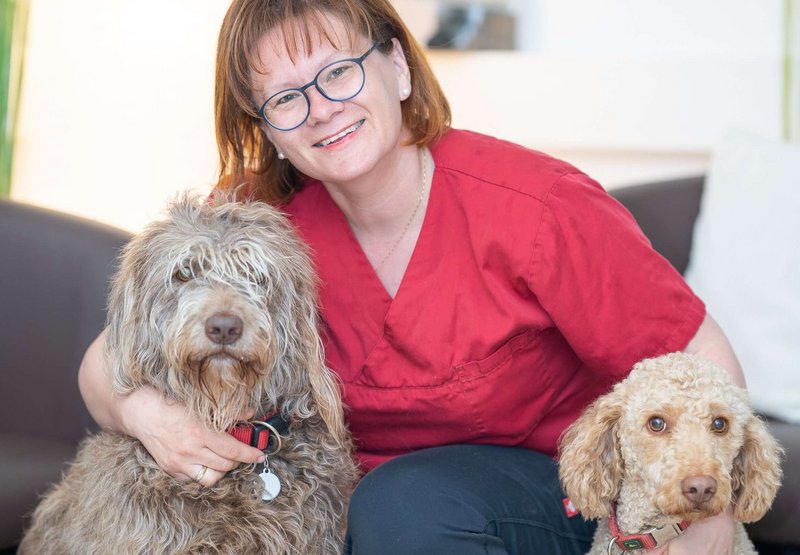
Vetmeduni: Did you always know that you wanted to become a vet?
Birgit Dastig: That was my career aspiration since I was six years old. There was no direct role model in my family. I grew up in Schwarzach, but as a child I spent many summers on the mountain pasture in the Rauris Valley and herded cattle with my parents. That shaped me.
Vetmeduni: Together with a colleague, you run the Animal Health Centre (TGZ) in Ragnitz with an attached physiotherapy centre and dog groomer. How did that work out?
Dastig: I came to southern Styria after my studies via an internship in Upper Austria and a position as an assistant in a cattle and pig practice. The local farmers soon asked me if I would like to stay in the area. In 2004, I set up my own business with a one-room practice and my husband as a receptionist. However, we soon realised that we needed more space and so two years later we decided to build a new practice. Manuela Scherwitzel-Mandl and I have been running the TGZ together since 2009. Until a few months ago, we were also able to maintain a 24-hour emergency service in the region. As our neighbouring colleagues have unfortunately left, the emergency service is now only available for our farmers.
Vetmeduni: You treat large and small animals. Were you unable to decide on a speciality?
Dastig: In the countryside, this question doesn't even arise. All-rounders are needed there. It has grown with me. At the moment, my colleague and I alternate: one of us is available almost 24 hours a day for large animals and goes on field visits. The other does the small animals. But we're both good at both. Each of us also has her own speciality, like the assistance dogs, and when necessary we work together.
Vetmeduni: You also train assistance dogs for people with physical disabilities or mental illnesses. How did that come about?
Dastig: I became a diabetic myself during my third pregnancy and, as a sufferer, I became interested in signalling dogs. My receptionist and I then trained together at the Academy for Applied Animal Psychology and Animal Behaviour Training (ATN). We also train an individual assistance dog for a child with special needs and raise the money for this through fundraising campaigns.
Vetmeduni: What do vets need to bear in mind when training assistance dogs? They can only do their job - as individually trained guide dogs, service dogs or signalling dogs - if they are motivated and in good health.
Dastig: Above all, it is important to see them as more than just working animals. They are part of the family, are trained freely and are very individual because they have to react to different situations. You have to make it clear to owners and vets that having fun at work is important, but that they also need play and rest times in addition to "working hours".
Vetmeduni: Is it a lot about prevention?
Dastig : In counselling, it makes sense to regularly invite owners in for a check-up. We check that all vaccinations have been given. But we can also see quite well what condition the animal is in at the groomer. As with therapy dogs, blood and faeces samples must be taken regularly. The Messerli Research Institute's testing and coordination centre for assistance dogs and therapy dogs regularly checks whether the animals are still fit for use. Assistance dogs are subject to strict quality criteria at all stages - from selection, during training, during care and through to follow-up training - which are monitored by the testing and coordination centre.
Vetmeduni: How many dogs have you already trained and how long does it take?
Dastig: We are now on our fourth dog and it takes about two years before it can go into the family. The puppies come from local breeders. In the first year, the dog is with us in families with children and has regular contact with the future family. We train the dog and the client in how to handle the dog. We get to know both of them. There is a slow transition. Once the dog has been placed with the family, we come there and then accompany the human-dog team to the test.
Vetmeduni: How do the individual needs of the client and the suitable dogs come together? Are there certain breeds for certain tasks?
Dastig: We look for the right dog with the right size, build and character. Diabetics tend to need sporty animals, calm animals are suitable for ADHD or wheelchair users, and funny animals are more suitable for depression. A dog must be able to do its job easily. For example, picking things up or being able to smell particularly well. There are character tests and health checks, but it doesn't always have to work out, in which case it "only" becomes a family companion dog. Or it stays with us.
Vetmeduni: What does a normal working day look like for you? Or is there no such thing?
Dastig: When you become a vet, you have to be able to deal with flexibility. You can plan, but unforeseen things happen, which is why the end of the working day can never be planned.
Vetmeduni: Have you always been accepted as a woman in this profession, or have you had different experiences as a vet?
Dastig: Not since I became self-employed. The customers who have chosen the TGZ or switched to us know that we only have women. You can do anything as a woman in this profession because there are techniques that you can learn. What strikes me today is the idea of only wanting to work as a highly specialised veterinarian without weekend and night shifts. For me, that's a skewed job description. We need people in the countryside who can treat a cat in an emergency in the same way as they can give a pig an injection. This is the only way to offer a 24-hour emergency service. There are specialised clinics for everything else.
Vetmeduni: Were there any surprises for you between training and practice?
Dastig: The bureaucracy has become more. When I started, there was a fraction of the documentation and legal requirements. The accounting work is also quite a lot. Fortunately, I learnt the business side at home, which wasn't covered much at university.
Vetmeduni: What is the appeal of the job for you?
Dastig: Even after 20 years, I still have new cases and new people in front of me every day. It never gets boring in our job. I can constantly develop myself further. The assistance dogs will also be a good hobby for me in retirement: meaningful, in contact with people and active in sports.
Vetmeduni: Are your three sons already showing an interest in the profession?
Dastig : They have always been involved, are used to the flexibility of the job and know how much I enjoy my job. My sons can play in the yard and wait while I work. Or join in, rub a newborn baby dry, hold something. Once, when it took a long time, one son fell asleep in his dog bed.
Vetmeduni: Thank you for the interview!
(The interview was conducted by Astrid Kuffner).
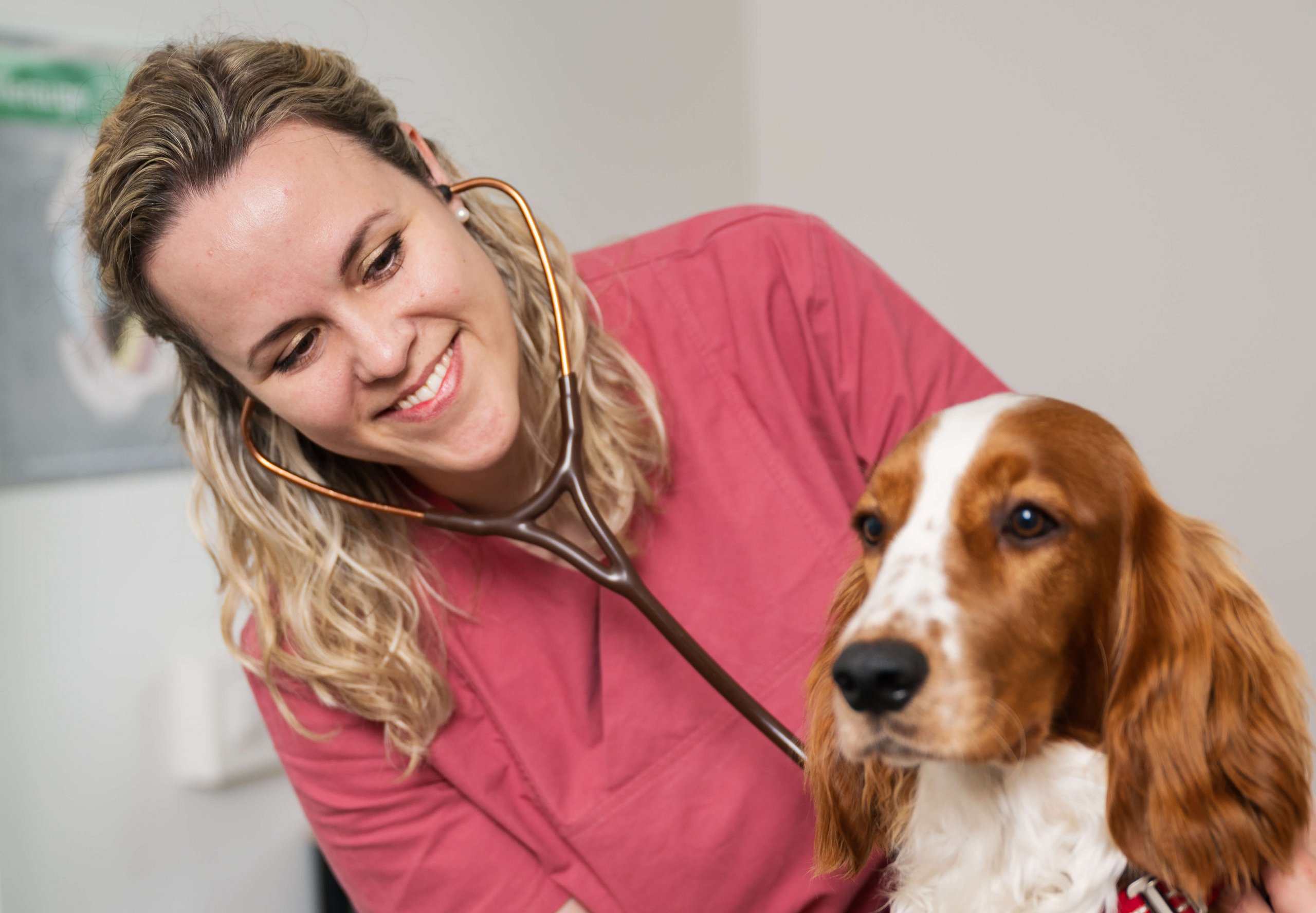
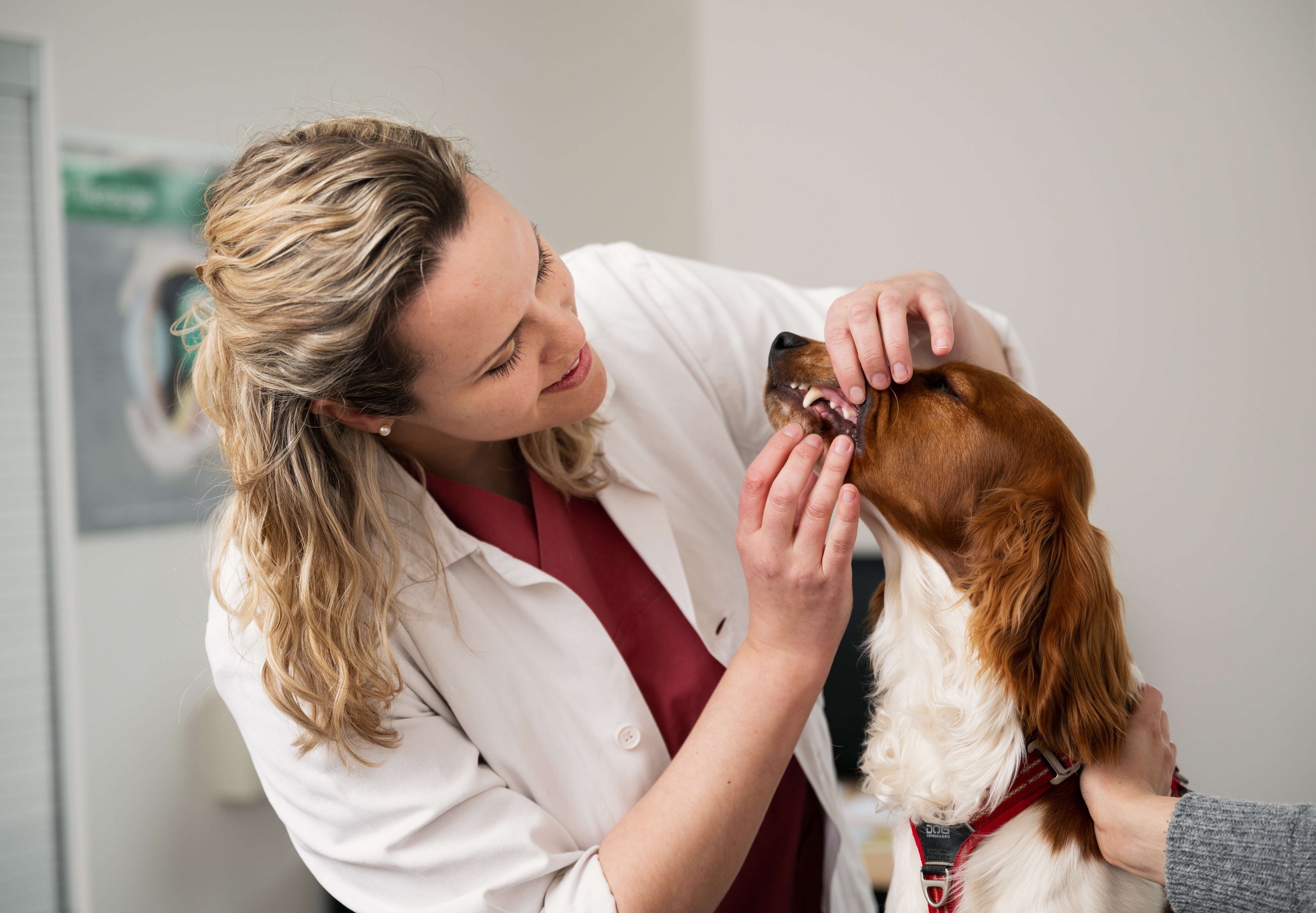
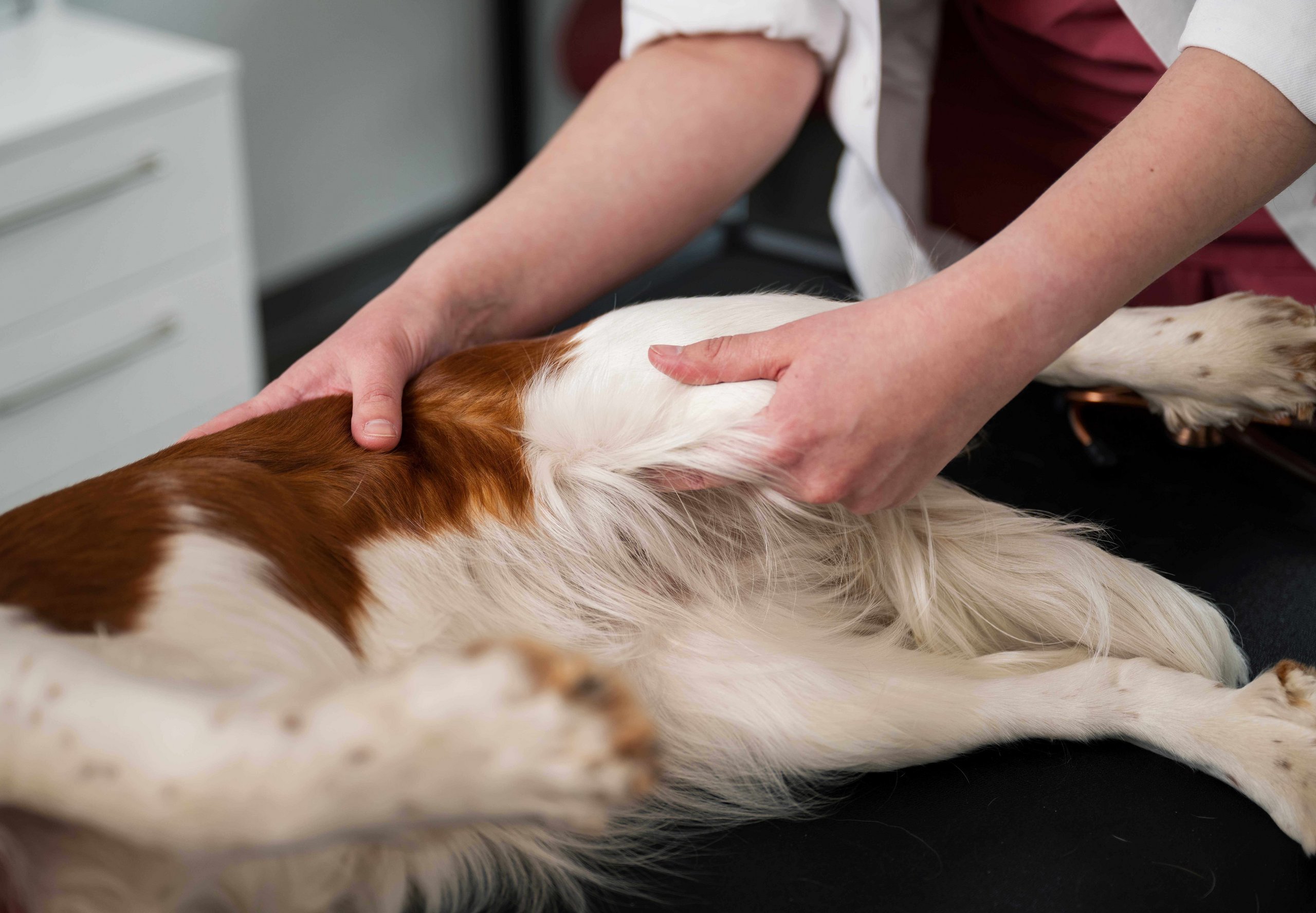
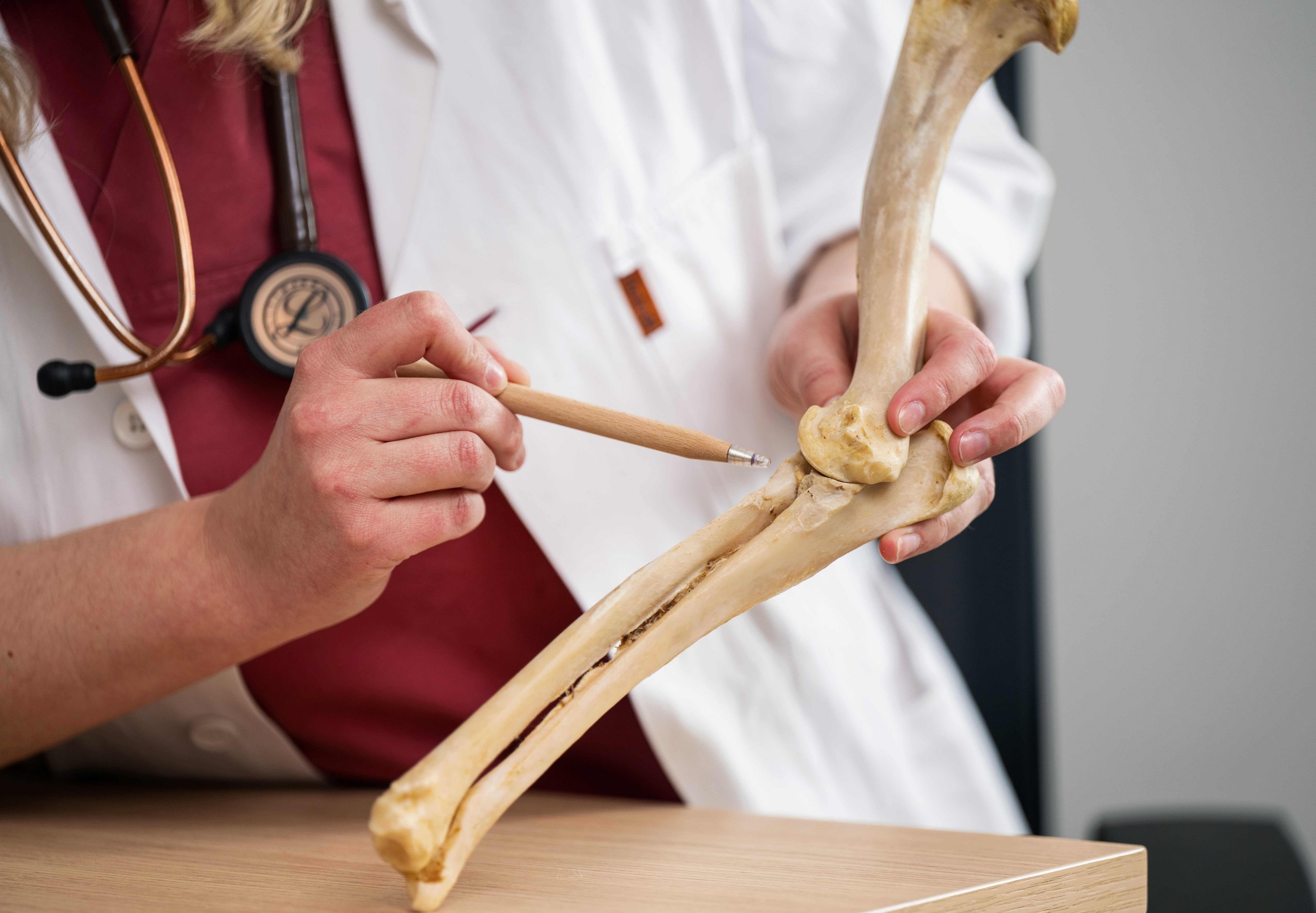
VETMED: Did you always know that you wanted to become a vet?
Janina Janssen: Not at all! I had all sorts of career aspirations as a child - veterinarian wasn't one of them until I finished school. I was interested in medicine, even though nobody in my family works in this field. I first did an internship in human pathology to see if my stomach could handle it. After another internship at the small animal clinic in Trier in my home town, I knew. There were a few Diplomates there with specialisations - that inspired me. I realised that I wanted to become a surgeon during my internship at the Vetmeduni, where you rotate through the departments and get to know the day-to-day work of the specialists.
VETMED: Why did you decide to do a residency at the Vetmeduni?
Janssen:: I worked in a small animal clinic in Hollabrunn for a year after graduating, looked after inpatients and did emergency services as a young vet and realised there that I wanted more. We simply have outstanding specialists here in Vienna. You have to apply for residency in many stages, there is a lot of competition. Right from the start, I was able to learn from established specialists in orthopaedics and soft tissue surgery, which is something very special compared to the rest of Europe
. Some clinics have one or two Diplomates. But this networking and proximity, where you can ask someone straight away if you have a dermatological or endocrinological problem in addition to surgery, is something you can only find at a university. The interdisciplinary "rounds", i.e. case discussions, are also very helpful in providing a broad-based education.
VETMED: What did a normal working day at the Vetmeduni look like for you, or did it not exist at all?
Janssen: You roughly know the day. You know whether you specialise in soft tissue or orthopaedics. A day in the outpatient clinic to assess patients is always followed by a day of surgery to treat them. As residents in surgical training, we prepare well for planned operations, read the relevant literature and practise the approaches in advance. But as with any veterinary job, you don't know what else will come in: Emergencies from the night shift, aftercare, animals in intensive care that take a turn for the worse. The advantage is that everything happens under supervision.
VETMED: You completed the training in summer 2022? What are your plans now?
Janssen: I completed the clinical part of the residency in summer 2022. I'm going to take the exam next spring and with this European-recognised specialist training, it's easy to gain a foothold in the private sector at a large clinic or at universities. If the opportunity arises, I can well imagine coming back to university and passing on my knowledge. For now, I'm continuing to gather a lot of case knowledge.
VETMED: You experienced the old small animal clinic during your training, the trial run in the new building and now the full operation. How do you sense the new spirit?
Janssen: That's easy to say: all the departments mesh well together thanks to the spatial and professional proximity! I was a ward doctor at the beginning when Internal Medicine was temporarily merged with Surgery. That's when I noticed how co-operation improved thanks to the short distances - you can quickly exchange information about cases. The atmosphere is like a human clinic, the whole setting and the high-quality, modern equipment make work a pleasure. You can also feel it in the
good interaction with each other. Everyone makes an effort because we are dependent on each other and have to keep bringing in cases.
VETMED: Did the people who work here have a say?
Janssen:This was done very intensively from the floor plan planning stage - with working groups made up of representatives from each department. Processes were optimised in the new building during the trial run.
VETMED: Do you have a dog or cat yourself?
Janssen: I have a cat. Traditionally, a patient once left me without a home.
VETMED: How do you get on with the pet owners?
Janssen:The owners are usually very well informed and realise that the patient is at the centre of our attention. The new rooms make the interaction much more personal than it used to be. As a vet at the start of your career, you have to learn from many conversations: building trust, appearing confident and conveying that your little darling is in good hands. But you also have to avoid trivialising possible complications. You have to understand people's situation. They want to be heard and for their worries and fears to be taken seriously. With this in mind, the training has become even better: students now have training sessions with actors to practise communicating with animals and animal owners.
VETMED: What is the appeal of small animal surgery for you?
Janssen:On the one hand, you have concrete standardised procedures for diagnosis and, on the other hand, every patient is different. I like the fact that with surgery you can quickly see an effect when the animals get better. And I like the manual labour involved. The skill of the hands, if it's done properly, also determines the success. I did a lot of handicrafts as a teenager: crocheting, knitting, sewing by hand, beaded animals, jewellery. I also enjoyed it when the end result turned out well.
VETMED: What expectations did you have of the profession and how did it turn out in reality?
Janssen: During my training, people tended to paint a bleak picture: a poorly paid, stressful job for which you have to give up your life. If you want to achieve a lot at work, you have to put a lot into it, yes. But for people for whom work-life balance is important, there are now jobs with completely normal hours and the pay is getting better and better. Our training is so broadly diversified that there is a suitable job for every character.
VETMED: Thank you for the interview!
(The interview was conducted by Astrid Kuffner for VETMED Magazine).
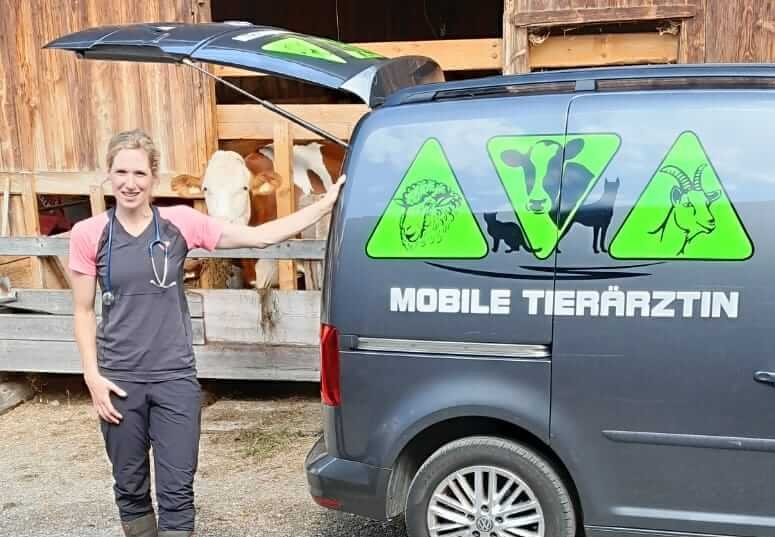
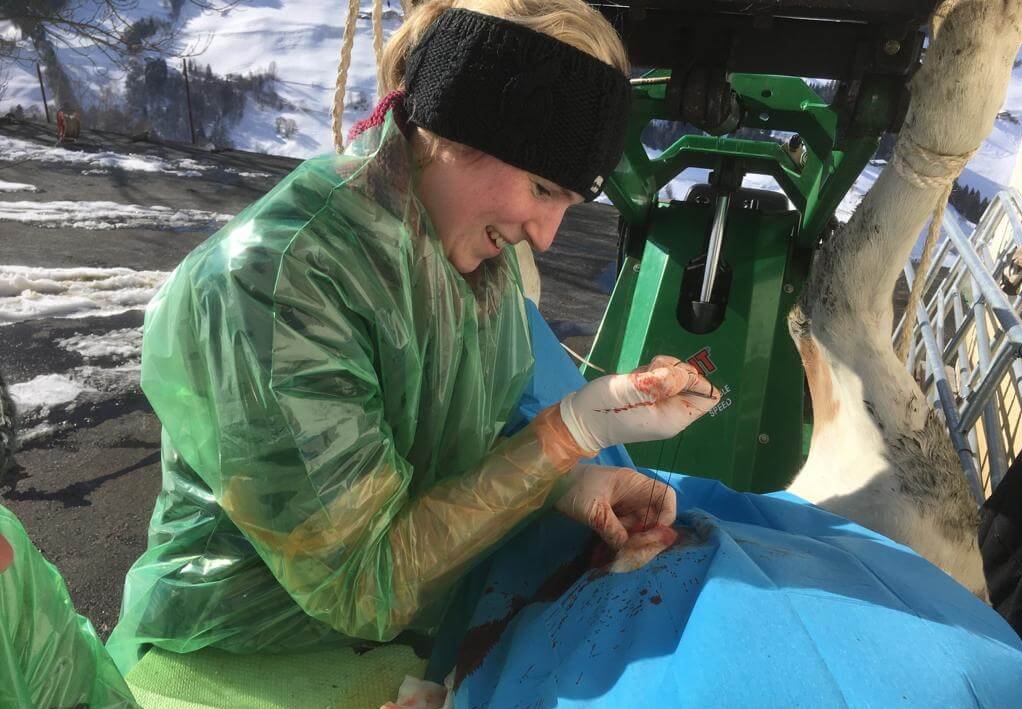
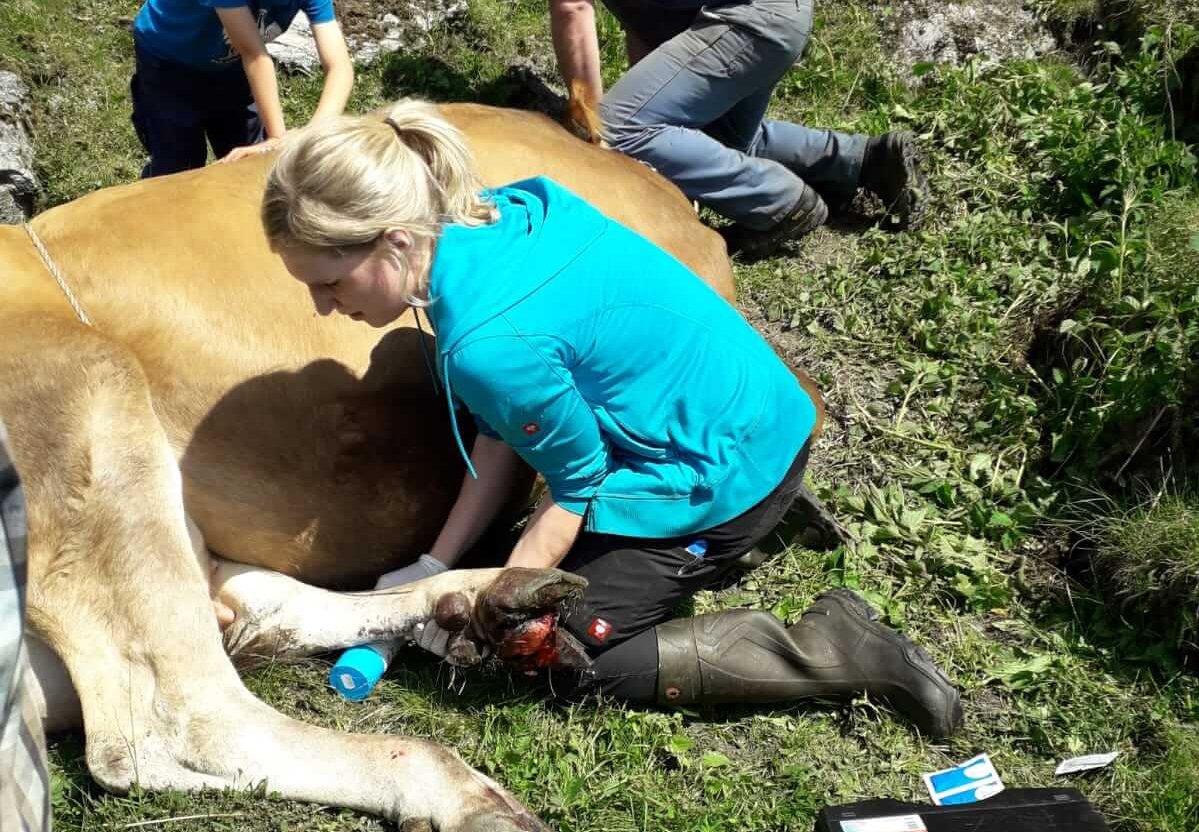
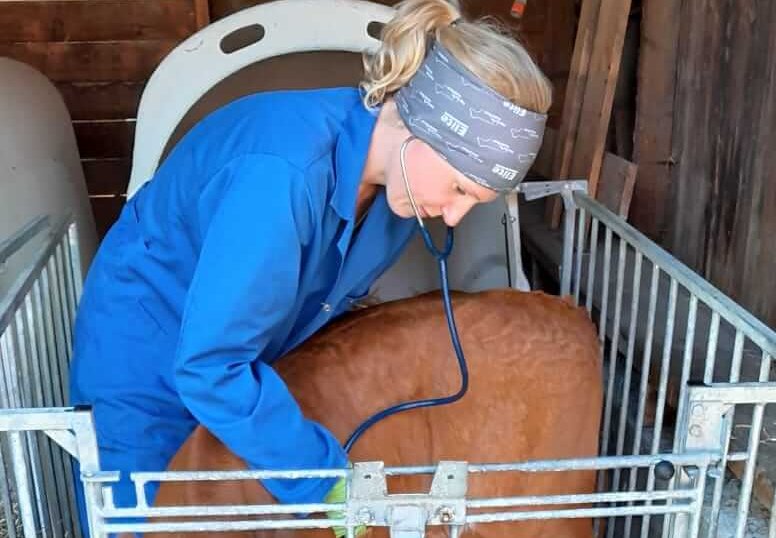
VETMED: Did you always know that you wanted to become a vet?
Judith Piegger: Ever since I was four or five years old, it was my dream career. I grew up on a farm with dairy cows. When the vet came, it was always a highlight for me. The intertwining of agriculture and medicine still fascinates me today.
VETMED: You have been working as an independent large animal practitioner in the Innsbruck Land district since October 2016. What does a normal working day look like for you, or is there no such thing?
Piegger: Every day is different, spontaneous assignments are commonplace in the veterinary practice. That's exactly what I like about it. On my practice days, I start my rounds at half past six in the morning and continue until midday. The afternoon round starts at 3 pm and lasts as long as it takes, usually 8 or 9 pm. In winter, both rounds usually take longer because that's when most of the calving takes place and the journey is more difficult. Summer is usually quieter and that's when I'm happy to cover for colleagues. I've been a mum for a year now, so I only drive three days a week and every third weekend. Otherwise, my neighbouring colleague stands in for me.
VETMED: Do you have a speciality?
Piegger: I do everything in the driving practice. My favourite things are births and operations. I have everything in my car for that. A VW Caddy with four-wheel drive and a Zimmermann pharmacy with refrigeration, insemination bucket and mobile ultrasound.
VETMED: You were previously employed at a veterinary clinic in Tyrol. What made you decide to become self-employed?
Piegger: I was always the type of person who wanted to set up my own practice. I also felt that during my employment. But I was also able to learn a lot at the clinic and establish my first contacts with companies. Both have advantages and disadvantages. I just like being my own boss.
VETMED: Did your training prepare you well for all aspects of everyday working life?
Piegger: The degree programme prepared me well, especially the practical exercises and internships, of course. If you are interested in a speciality, this is a good way to look around and get to know it. I grew up in a farming environment and therefore knew what makes customers tick. I get a lot of requests from students who want to accompany me. I'm afraid that once I say yes, I'll have someone sitting in my car for 365 days. I'd rather wait a little longer. My neighbouring vet and colleague has given me a lot of support. What I'm trying to say is that networking is more important than competition.
VETMED: What was the biggest surprise in the practice?
Piegger:During my time as an employed vet, I also sometimes had the small animal emergency phone and was very often surprised at the problems that small animal clients would contact the vet with in the middle of the night, usually they weren't emergencies but illnesses that had been going on for weeks and could have been treated during surgery hours.
VETMED: Your colleague with the small animal practice in town has a website. Don't you need that?
Piegger: There are no longer any districts in the farm animal practice in Tyrol. A lot is done by word of mouth. I quickly had enough to do when I was self-employed, was working to capacity and wanted to look after the farms well. The customer base is quite small compared to the small animal sector, so I don't need a website to reach new customers.
VETMED: What expectations did you have of the job and how did the reality turn out in comparison?
Piegger:It's a bit different to what I expected as a five-year-old. I certainly had rose-tinted spectacles on at the beginning. You don't see the practical problems that come your way. For example, how to reconcile work and family when the first child arrives. Also dealing with the pet owners. There were certainly more surprises when dealing with people than when dealing with animals.
VETMED: Is it easy to reconcile your working hours with family life?
Piegger:I'm lucky with my extended family: two grandmas, a grandad and my husband support me. They work in agriculture and are therefore at home a lot. The way I have it set up now is ideal for me. I can manage it well.
VETMED: More and more women are working as vets. Were you always simply accepted in this profession?
Piegger: Some were women in farm animal practice not yet used to it. When I gave birth for the first time, the farmer's wife came out of the house and asked mewhere my boss is. In the meantime, positive feedback has prevailed. For the younger ones, it's a more familiar sight. You just have to prove to every customer that you can do it the first time. For example, that I can also get a twisted uterus under control with suitable aids.
VETMED: What is the appeal of working as a large animal vet for you?
Piegger: It's varied and I can achieve a lot with just a few resources. I usually only need two hands and common sense for a birth. In small animal practice, you need a lot more tools and I appreciate the combination of agriculture and medicine. I also advise on how to keep stock healthy with feeding and care, with prevention. So I always have a common goal with the farmers.
VETMED: You live on a farm with dairy farming as a sideline. How do you separate work and private life?
Piegger: I'm normally in favour of separating the two areas, but that's impossible on a farm. I don't know any other way. Sometimes I just enjoy milking the cows instead of examining them. The days when I'm not on call are my private life. But if a cow has something wrong with us, I don't call a colleague either.
VETMED: The Vetmeduni is addressing the shortage of vets in rural areas with a new branch in Tyrol. What other ideas do you have to inspire the next generation?
Piegger: The outpost is a great idea. Students can get an early taste of the profession there. However, I fear that the shortage is more of a social problem. Jobs with night and weekend shifts are generally no longer so popular. There is less and less willingness to work physically and more than required. It's not possible to earn a lot with little effort in this profession. Sometimes I would also like it to be more comfortable and less dirty and I ask myself what I have chosen...
VETMED: On the subject of life in the countryside: what is a cliché and what is it really like?
Piegger: The cliché is that everyone runs around in a dirndl. And in reality, there are such and such people everywhere. Incidentally, the higher up, i.e. in metres of altitude, the more relaxed people are.
VETMED: Thank you for the interview!
(The interview was conducted by Astrid Kuffner for VETMED Magazine).