- Alumni-Portraits
We're looking for Vetmeduni alumni to share their stories.
We would love to hear about your professional journey: how your career began, the opportunities and challenges you encountered along the way, and what has motivated you throughout. By sharing your story, you can provide valuable inspiration and guidance to our students and alumni community. We look forward to hearing from you.
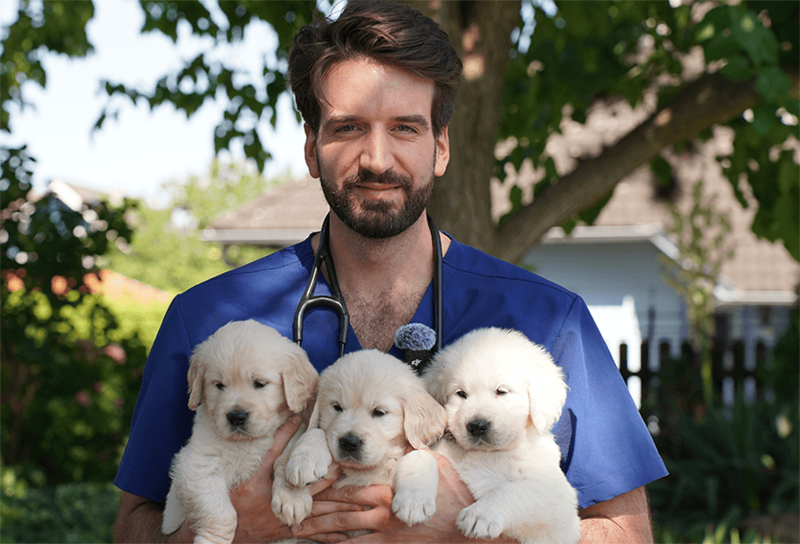
VETMED: Did you ever consider a different career?
Simon Reinelt: I have four brothers, and our parents never put any pressure on us. I had a realistic insight into what everyday professional life was like, and I still chose this career. My younger brother followed the same path.
VETMED: You joined the practice in Leithaprodersdorf in 2020. How do you divide the responsibilities?
Simon Reinelt: I didn’t want to simply step into a ready-made nest; I wanted to make my own mark. My father and I are working together to move the practice forward. He still works with other colleagues in large-animal practice. We run a large practice together, where we can give each other space. Fortunately, we rarely need to get out of each other’s way. When I’m on holiday, my father is there for emergencies, and vice versa. If we disagree, we get a third opinion.
VETMED: What does a typical working day look like?
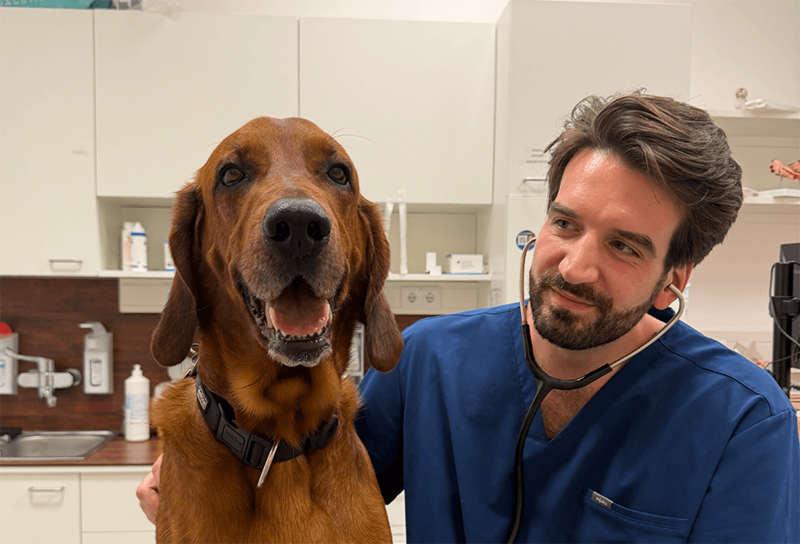
Simon Reinelt: There are routine examinations, and I have surgical days when scheduled procedures take place. What is never on the schedule are the emergencies that have to be fitted in: a C-section, a ruptured tumour, an animal hit by a car. The challenging and difficult thing about this profession is that life and death can sometimes be separated by only a few metres and a few minutes. And it’s not just in those situations that having a good team is essential: we can debrief when we’ve had a particularly difficult day.
VETMED: On social media, you show how a water bottle can be used to stabilise a tail injury or how a soup ladle can be used to collect urine samples. How much of it is improvisation, and how much follows the textbook?
Simon Reinelt: It’s a profession in which you have to be resourceful. The owners can be pretty inventive, too: one woman once crocheted a light, perfectly fitting hood for her dog so that an injury to the tip of its ear could heal properly. The textbook shows you the ideal approach, but you rarely have the ideal situation in front of you.
VETMED: As @derviechdoktor (animal doc), you have been active on TikTok, YouTube and Instagram since April 2025. What made you decide to become active on social media as a veterinarian?
Simon Reinelt: As you can probably tell, I quite like talking about my work. I was invited to the Vetmeduni to give a talk about my career. A few weeks beforehand, I wanted to figure out for myself what social media could actually do for veterinarians. I had already been on TikTok and had done quite well on that international, rather anonymous platform. Then I ventured onto Instagram, where you might actually encounter your audience in real life. I could have embarrassed myself there, so I had to convince myself to see it as an experiment. But my inhibitions turned out to be unnecessary, and ever since then I’ve been there to provide information and answer questions – with 174,000 followers now.
VETMED: How much strategy goes into your social media presence, and how much is spontaneous?
Simon Reinelt: Sometimes I post twice a day, sometimes nothing for two weeks. I don’t want to put that kind of pressure on myself. But in a large practice, you see a lot and you notice when a particular topic is on people’s minds. My girlfriend and I filmed the video about blue-green algae poisoning in three hours because it was hot, there had been a warning about a nearby body of water, and dog owners need to act quickly because the symptoms can be delayed.
VETMED: How time-consuming is being a vetfluencer? It seems that not everything works on the first take.
Simon Reinelt: My days have definitely become longer because I often spend my evenings editing and adding voiceovers to videos. I’m rarely satisfied with the first take. I film in the practice when the animal owners have given their consent, and I also have special glasses for that. An intern regularly helped me, so filming didn’t require any additional time. But particularly while I was building the channel, and with two children in a blended family, it started to pile up. It takes me between two and five hours on top of my regular work as a veterinarian. I grew very quickly. That’s good for the ego, but you have to think carefully about it.
VETMED: Going back to your original question: what does a social media presence offer veterinarians?
Simon Reinelt: It can do a lot for showcasing your services, the equipment in your practice, or when you’re recruiting staff. But on a smaller scale, it’s enough to have followers from your local area. For me, it’s about providing information across the DACH region. I want to provide scientifically sound information. People want to know and understand more. I answer specific questions about limber tail syndrome, vestibular syndrome and which foods are toxic to dogs. On the internet, people who have no idea what they’re talking about are often the loudest.
VETMED: Do you have a particular area of specialisation, and how did you find it?
Simon Reinelt: I specialise in small-animal medicine, particularly canine reproduction, but also soft-tissue surgery. My father has been breeding dogs himself for three decades, and we work with a lot of breeders. When there’s an emergency C-section, everyone here knows what to do.
VETMED: Did your studies also prepare you for leadership responsibilities, human resources, accounting and so on?
Simon Reinelt: I had to grow into it. I used to think that making quick decisions was a sign of strength. My father started the practice and built it up. Three years ago, we expanded and doubled in size, and we all pull together as a family business. My mother works in the back office, I’ve learned to delegate, and we have many long-standing members of staff. My father has a good feel for numbers, and so do I. We first think things through using common sense, and then we run the numbers with a cool head.
VETMED: A veterinarian experiences a lot – including on a human level. What is your recipe for successful communication?
Simon Reinelt: You have to find the right approach for the situation – talk to people or leave them alone. And you have to set boundaries. For animal owners, a treatment can become an emotionally exceptional situation. You have to remain calm, explain what’s going on and not take it personally.
VETMED: You always speak very calmly. And sometimes you show, without saying a word, what you think about trying to prevent tick bites with amber necklaces. Do you have any role models in vetfluencing?
Simon Reinelt: That doesn’t work for me as the face of a large practice that operates according to current scientific standards. My community knows how I think. I regularly look at what colleagues are doing internationally and consider whether there’s anything I could take up for my own community. If they have a bigger account, I try to overtake them. (laughs)
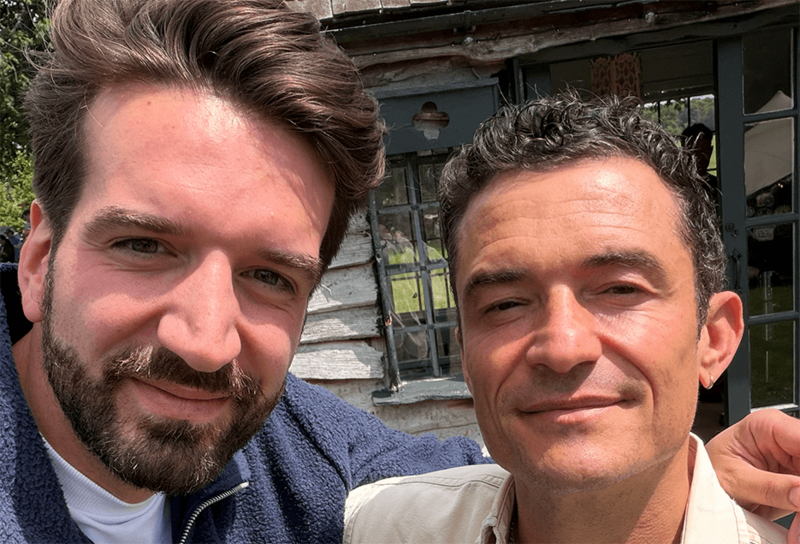
VETMED: When it comes to pets, we’re all the same – from the grandmother with the crocheted headwear to Hollywood star Orlando Bloom. How did you end up on stage together?
Simon Reinelt: I was invited to a sponsored event in England focusing on awareness of ticks and fleas, which are active year-round and can transmit dangerous diseases to animals and humans. There were five vetfluencers and ten petfluencers, as well as dog lover Orlando Bloom as the event’s well-known face. I don’t know him personally, but I suppose we dog lovers share one wish: that our dogs stay healthy by our side for as long as possible.
VETMED: We’ve talked about the workload. How do you find time to switch off?
Simon Reinelt: Basically, I work too much. But I enjoy it so much that it isn’t a problem. When you run your own practice, you’re more driven than you are as an employee. My two children, our dog and my girlfriend keep me grounded. We spend our free time out and about and stay active. To support work-life balance, we offer our employees various working models. But one thing is clear: if you want to become really knowledgeable, you can’t just work through patients; you also have to invest some of your free time in continuing your education.
The interview was conducted by Astrid Kuffner.
VETMED: What does your role as a Medical Science Liaison in oncology involve?
Isabella Mayer: It is a field-based role. I travel throughout Austria and attend national and international conferences across Europe. I engage with healthcare professionals (HCPs), including physicians actively involved in research, and discuss the latest scientific evidence with them. My area is oncology, specifically ovarian cancer. I serve as a scientific and medical bridge between the company and clinical practice. We discuss ongoing clinical trials, new findings, and topics such as efficacy and safety. It is a two-way exchange: we discuss unmet needs, gaps in knowledge or care, and observations from clinical practice.
VETMED: What does a typical working day look like?
Isabella Mayer: The great thing is that there isn’t one. No two days are the same, even though tasks such as correspondence, meetings, and driving are recurring parts of the job. The role is very creative and flexible.
VETMED: How did you experience the transition from academic research to industry? Were there any challenges that surprised you?
Isabella Mayer: I had done my research on the position beforehand, received a great onboarding experience, and my manager has been very supportive. There were hurdles, but none that were insurmountable.
VETMED: Do you work with other departments within the company? What is your recipe for successful communication with different areas that have different interests?
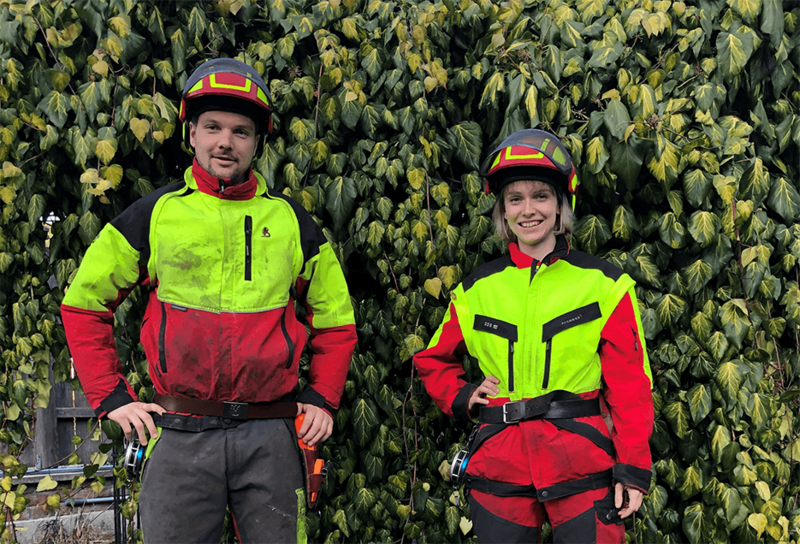
Isabella Mayer: Yes, it is definitely a cross-functional role. I am open and willing to learn – including from other people’s experiences. It helped me enormously that I worked as a waitress during school and university. It was a great school of life. I got to know many different personalities and learned how to deal with them and communicate effectively with them. During my PhD, I also trained as a forestry technician, so I had the opportunity to work with very different people, and I consciously make a point of stepping outside my bubble again and again.
VETMED: To what extent did your studies prepare you for your current professional practice?
Isabella Mayer: I can read scientific publications, understand complex datasets, and communicate information clearly and effectively. Presentation skills can be learned.
VETMED: What originally motivated you to study Molecular Biotechnology?
Isabella Mayer: I liked the fact that the field was so specialized and different – that really drew me in. I attended an upper secondary school in Wiener Neustadt with a focus on science, and I have always been interested in the natural sciences. I found biology fascinating, and genetics was a major part of the curriculum. Both my parents work in education and have always supported me. My dad is also a forester and taught me how nature works. When I was 16, I also spent a year abroad in Alaska.
VETMED: That is quite a young age, and Alaska is a long way from home. How did the experience change you?
Isabella Mayer: I have an older brother who spent a semester in San Francisco. He encouraged me to go for a full year, because you get to know people and make friends more easily that way. In my application, I said that I loved nature. The organization responsible for placing students in the 50 U.S. states happened to send me to Alaska. It turned out to be exactly the right choice. I had so many adventures and never felt homesick for a moment. It was also a privilege to experience how Alaska Native people live. I had a wonderful host family, integrated well, and during my very first outdoor weekend, I even got to observe a mother bear with her cubs. I learned to make do with less, to learn from nature, and to take care of it.
VETMED: It sounds like you caught the travel bug. Your career subsequently also took you to Switzerland, Germany, and Sweden. Which international experiences had the greatest impact on your career path?
Isabella Mayer: I can only recommend it; it is incredibly enriching. Of course, going abroad costs money, but you also learn to live with fewer material things. In Stockholm, I learned how to cope with a cold, dark winter, while in Heidelberg I was exposed to cutting-edge research at a leading university. Prince William and his wife Kate once visited the German Cancer Research Center. It is good to immerse yourself fully and experience everyday life somewhere else: finding an apartment, making friends, using public transport, learning the language. The language of science is English, so you need to be proficient in it. At the time, Skype was very helpful for keeping in touch with people back home. Embracing a country and its culture, staying open-minded, and trying new things either makes for a great experience or teaches you something. I also knew that if I didn’t like it, I could always come home.
VETMED: You completed your Bachelor’s and Master’s degrees at a university of applied sciences and then moved to Vetmeduni for your PhD in Pharmacology and Toxicology. Why did you choose Vetmeduni?
Isabella Mayer: I liked the laboratory, the research projects, and the excellent equipment. My supervisor, Professor Veronika Sexl, supported us enormously, and I felt that I was in very good hands.
VETMED: When did you realize that research was something you wanted to pursue?
Isabella Mayer: During my PhD studies. I enjoyed discovering something that nobody had known before, having the freedom to try things out, and using research to make a difference.
VETMED: Your research has received several awards, including the Wilhelm Tuerk Prize and the Basic Science Award. What does this recognition mean to you, and what did you do with the prize money?
Isabella Mayer: It is a wonderful form of recognition. When you spend years doing research and receive feedback from the scientific community that shows they recognize how much work you have put into it and that the topic is relevant, that means a lot. I saved some of the prize money and flew to Nepal to go hiking.
VETMED: You are also certified as a psychological trainer specializing in team dynamics. How do you apply these skills?
Isabella Mayer: I also have Professor Sexl to thank for that; she always placed great importance on our personal and professional development. I met the now very successful psychologist Christine Hoffmann as a PhD student through Professor Sexl. That is where I discovered the training program, which taught me how to lead a team, deal with conflicts, and broaden my horizons.
VETMED: Has working in oncology made you more paranoid or more hopeful in your professional life?
Isabella Mayer: Definitely more hopeful. It is a dynamic field, and you always have to stay fully up to date; the treatment landscape is constantly changing. Every day, there is the potential for another step forward in cancer treatment. A lot is happening, and I am curious and eager to learn. But one thing applies to every job: when you perform at a high level, you also need balance. For me, that means spending time in nature, hiking, and climbing. You must not lose sight of the fact that your body also needs breaks.
The interview was conducted by Astrid Kuffner.
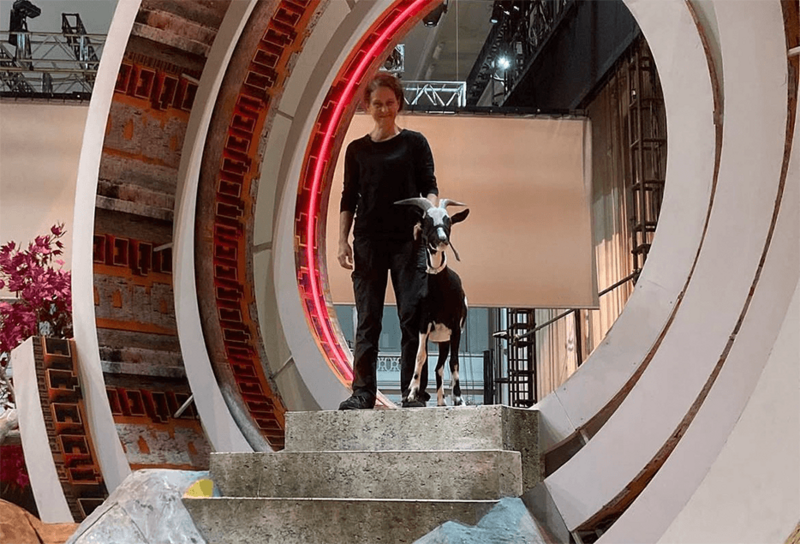
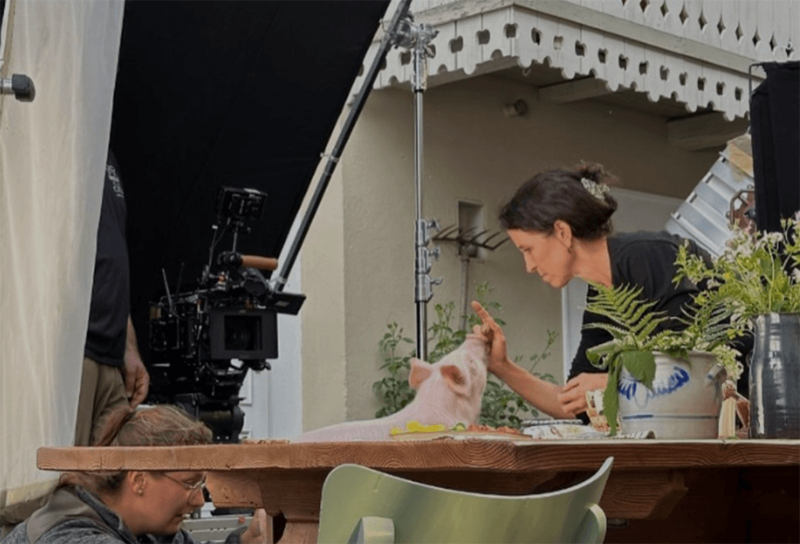
VETMED: What does a typical working day look like for you?
Katja Hawliczek: On a good day, I take care of my animals, bring the children to school, and then head to set. But hardly any two days are alike. I can’t tell you today what I’ll be doing next week. That can be challenging at times and often causes confusion for people around me. But my husband and I make it work as a team. Our five children help wherever they can. We also have the best neighbours and friends – they step in whenever we need support.
In a way, it’s similar to filmmaking itself: it takes many people to create a finished production. The responsibility is enormous, and there’s a rather harsh saying in the film industry: “Only death excuses you from being on set.”
VETMED: How many animals do you keep on your farm?
Katja Hawliczek: At the moment, more than one hundred – and that’s Melchior’s fault. I brought the bantam silk chicken home from the animal shelter in Voesendorf. What am I supposed to do when several animals want to come along and look at me so sweetly?
Actually, my husband and I like to keep old, heritage breeds of farm animals, so we have Waldschaf sheep, a traditional Austrian heritage breed, Tauernschecke goats, Tyrolean Grey Cattle, Sulmtaler cattle, land geese, as well as donkeys, mini-pigs, ducks, chickens, roe deer, dogs, cats, Highland cattle, rabbits, a horse and bearded dragons. Almost all our animals have appeared in films, some with truly impressive résumés.
VETMED: How did your connection with animals develop?
Katja Hawliczek: My parents loved birds and raised every animal that was brought to us. I grew up on the outskirts of Vienna, which was still very rural at the time. Our veterinarian was a great role model for me. I still have a colourful drawing I made when I was ten years old, showing lots of animals in a veterinary practice.
We had turtles, and our dog Niko became my first animal actor. For a while, I wanted to become a special education teacher like my mother. But after spending a year in the United States as an au pair, I decided to study veterinary medicine instead.
During my time at university, I had many inspiring and formative experiences. I largely financed my studies myself, worked extensively in the hospitality industry, and became a mother for the first time shortly before my final examinations. Nevertheless, I completed my degree within the standard timeframe. I had wonderful professors and classmates who supported me throughout.
VETMED: How did you become involved in training animals for film productions?
Katja Hawliczek: Completely by chance. As a child, I appeared in a number of film productions myself, so I was somewhat familiar with the industry from that perspective.
In 1996, Kurt Palm’s film “In Schwimmen zwei Vögel“ was being produced. A friend of mine was involved in the project, and during an early production meeting I noticed a note on his desk that said “dead cat.” I joked that I could easily bring him one from my anatomy course. He immediately decided that I should take charge of the approximately thirty animals needed for the production.
That’s how I gradually found my way into the profession. In the early years, I was also able to provide many animals from Vetmeduni for film work. Until 2008, I continued working as a substitute veterinarian in small-animal practices. I would have liked to pursue a doctoral degree as well, but I never managed to find the time.
VETMED: What animals do you work with, and what is your approach?
Katja Hawliczek: I carefully select every animal I work with. Appearance matters, of course, but so do character, abilities, suitability for the role, and the example the animal may set for viewers. I rely primarily on natural behaviour and always work within the animal’s capabilities.
Nothing works through force and stress. My goal is to make the interaction between animals and humans look as authentic as possible. I think my particular talent is presenting a task in such a way that the animal believes it wants exactly what we need it to do. The owners are almost always present – and my animal owners are the best!
VETMED: You have worked with goats, chickens, rabbits, pigs, mice, pigeons, turtles, deer, donkeys, and cattle, among many others. Which animals are easy to work with, and which are difficult?
Katja Hawliczek: Cats are difficult – I always sigh inwardly when a cat is involved. Very often, productions ask for behaviours that cats only display in familiar surroundings, when they feel like it, and preferably in good weather – such as rubbing against someone’s legs.
After thirty years, I finally found a tomcat named Benni who brings an exceptional level of authenticity to the camera. When I’m asked to work with a chicken, I’m delighted. A chicken should behave like a chicken on screen, yet many people still find that special.
Very often, my role begins with advising on which species should be used in the first place. In some cases, scripts have even been rewritten. Recently, someone requested either a salamander or a gecko. Salamanders are protected species, and geckos are nocturnal. Austria’s animal welfare legislation provided excellent arguments in that case. On my recommendation, they chose a bearded dragon instead. They are easy to handle and will happily move from point A to point B if motivated by yellow-and-black desert locusts as prey.
VETMED: How does a typical assignment work?
Katja Hawliczek: A production manager calls me and tells me what kind of animal is needed. I ask about the scene and the story behind it, and then I suggest suitable animals based on the role and character requirements.
This is probably the most important stage of the entire process: choosing the right animal. If I’m working with a new animal, I always get to know it beforehand. Then I take care of the administrative requirements and plan the shoot in detail: what methods I’ll use, where I’ll stand, where the owner will stand, what reward the animal will receive, whom it will run to, whom it should look at, and so on. Coordination is absolutely essential.
VETMED: It sounds as though you say yes to many things in your profession. When do you say no?
Katja Hawliczek: I refuse to participate in unethical practices. I’ve heard plenty of horror stories over the years. For example, I would never sedate an animal for a film shoot.
VETMED: To what extent did your studies prepare you for your current profession?
Katja Hawliczek: The knowledge you gain during your studies should never be underestimated. You need to connect expertise from different fields. You have to understand animal behaviour, know how animals react, what causes them stress or fear, and what is legally permissible. You learn a tremendous amount that is never written on a classroom blackboard.
VETMED: How do commercials, film productions, and theatre differ?
Katja Hawliczek: They are completely different worlds. Not every animal is suited to every type of production. Performing on stage presents a very different challenge because there are no second takes. I love both theatre and film, and I am very aware of the differences between them.
VETMED: Can a career like yours be planned?
Katja Hawliczek: Over the years, I’ve taken many people along who thought working with animals professionally would mostly involve petting them. From the outside, it can look deceptively easy. After a single day, 95 percent of them say, “How do you cope with this?”
When I’m not working, I enjoy spending time with my family on our farm, which we are currently renovating from the ground up.
The interview was conducted by Astrid Kuffner.


VETMED: Did you always want to become a veterinarian?
Thomas Voracek: I have always had a special connection with animals. There are photos of me as a kindergarten child carrying a chicken under my arm. I grew up in Vienna, but my parents had a second home in Lower Austria. I spent a lot of time there and happily let young cattle lick me while I was out in the pasture.
While I was in secondary school, I attended the university’s open day and spent my holidays accompanying the local veterinarian on large-animal farm calls. I never seriously considered any other profession.
VETMED: You have been Head Veterinarian at Schönbrunn Zoo since 2000. What led you to this career path?
Thomas Voracek: It was pure coincidence. After graduating in Vienna, I started working in a small-animal practice and also covered shifts at other clinics. While I was considering opening a practice of my own, I had the opportunity to work for two months as an assistant to the zoo veterinarian at the time.
I knew absolutely nothing about zoo medicine, and those two months turned into four. I learned an enormous amount from him. Eventually, I came up with the idea of establishing a veterinary practice in cooperation with the zoo. The director at the time, Helmut Pechlaner, who is also a veterinarian, supported the idea, and in 1999 I opened the Veterinary Clinic at Schönbrunn Zoo. Six months later, together with my team, I took over responsibility for veterinary care at the zoo following a structured handover from my predecessor.
VETMED: Did your studies prepare you well for your professional career? Including the business and personnel aspects of running a practice and caring for zoo and wildlife species?
Thomas Voracek: When it came to personnel management, business administration, or setting up a veterinary practice, there was essentially no preparation at all. I certainly made countless mistakes – it was all learning on the job.
When I started out, there was no structured postgraduate training programme in zoo and wildlife medicine anywhere in Central Europe. Even today, the professional community in Europe is relatively small – around 400 people. But everyone knows each other, and you quickly learn how to obtain important information efficiently.
Scientifically managed zoos are closely connected through professional networks. Whenever we acquire a new species, we consult colleagues who already have experience working with that species. Endangered pangolins will soon move into our newly reopened Rainforest House as part of a cooperation agreement with Taipei Zoo. I visited Taipei in autumn 2025 to gain practical insight into what is important when working with pangolins.
VETMED: So, a kind of “training on the animal.” How does zoo medicine differ from treating companion animals?
Thomas Voracek: A big cat – say, a tiger – is essentially a very large cat. That's it. In theory, we have access to the same diagnostic and therapeutic options.
What differs is that we have to think much more carefully about the consequences of every intervention. For some animals, I cannot change a bandage every day because I would have to anaesthetise the animal each time. The same applies to clinical examinations, weighing, and blood collection.
For every procedure, I have to assess its impact on animal care and welfare. These decisions are made collaboratively by veterinarians, zoologists, and animal keepers. Beyond a genuine passion for animals, one of the most important skills in this profession is the ability to communicate effectively with people.
Another important difference is that wildlife and zoo animals generally become ill less frequently than companion animals. They tend to be more resilient and often show fewer clinical signs of disease. Moreover, the better the husbandry conditions, the less likely animals are to become ill. Zoo veterinarians therefore invest a great deal of effort in preventive medicine and the continuous improvement and optimisation of husbandry standards.
VETMED: What about emergencies and unplanned treatments? Can those become routine as well?
Thomas Voracek: Emergencies are actually very rare in professionally managed zoological institutions. Comprehensive emergency protocols are in place, with clearly defined responsibilities and procedures.
In such situations, a highly qualified and experienced team works together. The veterinary procedures themselves – establishing intravenous access, administering oxygen, and so on – are routine.
VETMED: Do you know every animal at Schönbrunn Zoo personally?
Thomas Voracek: I certainly know the larger, long-lived animals, such as the orangutans and elephants. That is often very important. We do not know every individual antelope in a herd, but that is not meant as a value judgement.
VETMED: You also completed the official qualification for government veterinarians. Why?
Thomas Voracek: It was both important and mandatory for aspects of my work involving regulatory requirements, such as animal transport and notifiable infectious diseases. It was challenging because I had to fit the qualification around a 60-hour working week. However, it has been very helpful for close cooperation with veterinary authorities because it provides a solid foundation in veterinary legislation and administrative procedures.
VETMED: Is there such a thing as a typical working day?
Thomas Voracek: I am usually the first person in the clinic in the morning, which gives me some uninterrupted time for administrative work. Then I make my rounds through the zoo, checking on existing patients and new admissions. After that, I spend time in the clinic. For the past several years, I have also been involved in wildlife care on behalf of the City of Vienna. In addition, there is always desk work – for example, organising animal transports. Zoos across Europe constantly exchange animals from breeding programmes, and that requires considerable preparation and coordination. Finally, there is the evening clinic.
VETMED: You are also an instructor and lecturer at Vetmeduni. What does that involve?
Thomas Voracek: We supervise students during their mandatory practical placements. Roughly half of our interns come from the University of Veterinary Medicine in Vienna, while the other half come from universities around the world. I also teach within the module “Conservation Medicine”, where I use practical examples from everyday zoo veterinary work.
VETMED: What do you consider important to teach students?
Thomas Voracek: I try to make students aware that veterinary medicine is much more than companion-animal practice. There are many other essential and fascinating areas within the profession.
I am also honest about the realities of the field. Pursuing postgraduate training, staying current with developments, or becoming a board-certified specialist is difficult to combine with part-time work. Zoo medicine is a craft, and you can only do it well if you practise it frequently enough.
VETMED: What are your areas of expertise?
Thomas Voracek: Collection health management across the entire zoo animal population, veterinary dentistry, infectious diseases, particularly the management of reportable animal diseases, and emerging vector-borne diseases.
VETMED: What would you recommend to students who are interested in your line of work?
Thomas Voracek: Setting out with the sole goal of becoming a zoo veterinarian can be difficult because many factors are beyond your control. My advice is to explore the many different facets of veterinary medicine and find the area that will continue to fascinate you throughout your professional life.
VETMED: What do you do in your limited free time?
Thomas Voracek: I enjoy sports, and I love travelling. I also enjoy reading and photography, and when I have the time, I play a little piano. There are plenty of interests – I just do not always have enough time for them.
The interview was conducted by Astrid Kuffner.
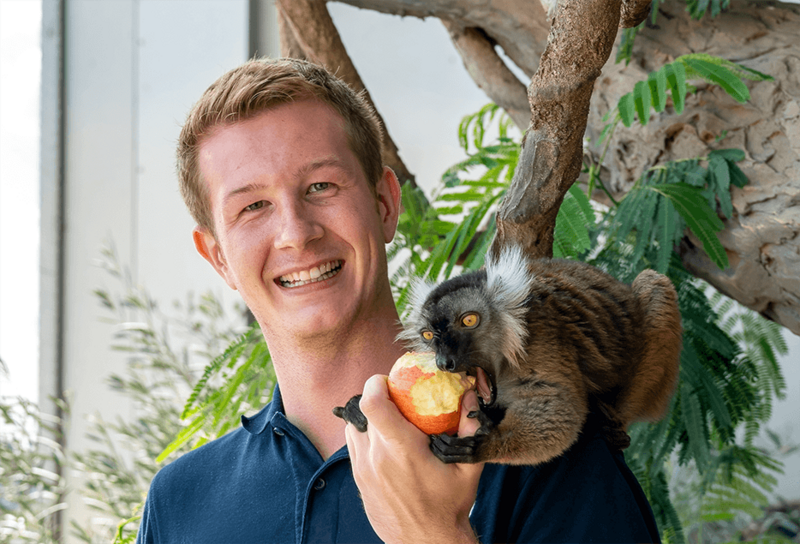
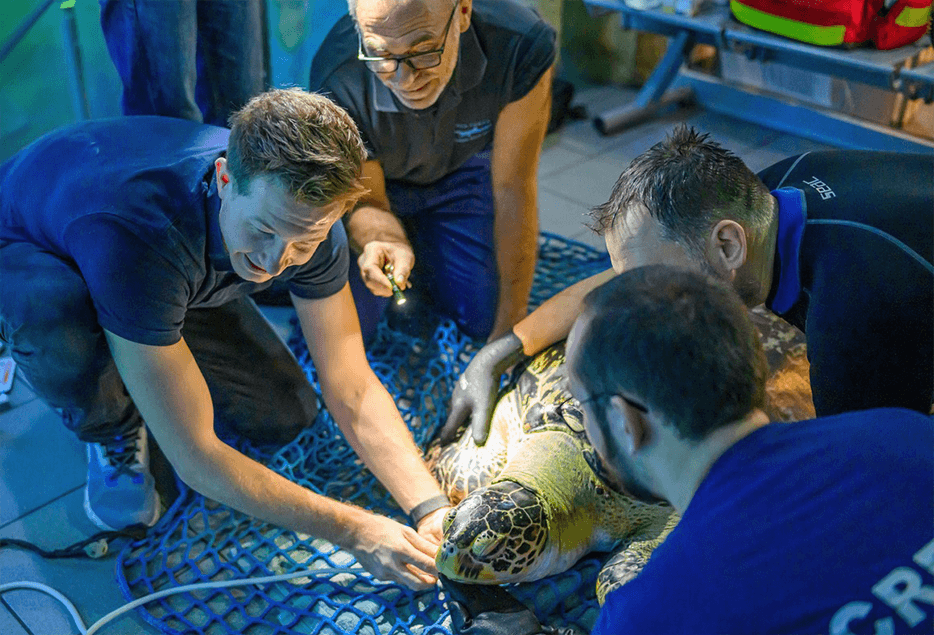
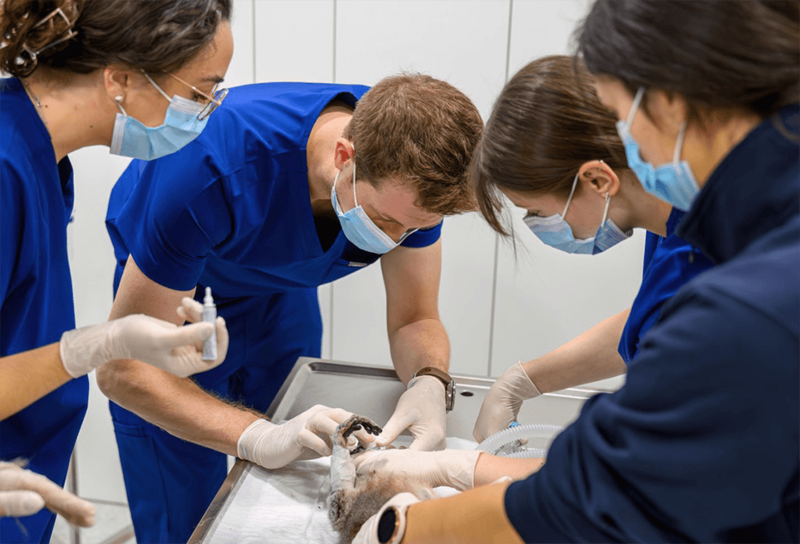
VETMED: When did you realise that exotic animals were your calling?
Jeff Schreiner: I grew up in Luxembourg in a very animal-loving family. When I was eleven, my best friend told me that he would like to have a snake. I had raised ducks, watched tadpoles in the garden pond and incubated quail eggs in my room until they hatched. At the time, I still thought snakes were generally venomous or dangerous - I thought the idea of keeping such an animal was completely crazy. My ignorance turned into fascination and soon I had three banded water snakes. They are big, smelly, not particularly pretty, prone to biting - not really suitable for an eleven-year-old kid - so I decided to go for something special. I then went to the monthly meetings of the German Society for Herpetology and Terrarium Science to meet like-minded people, to expand my knowledge, and I also got an internship at a research institute. My parents were sceptical, but always supported me and saw how seriously I took it.
VETMED: So you started networking early on, but you were also largely self-taught through hands-on experience, like Paul Kammerer or Konrad Lorenz, who later became natural scientists?
Jeff Schreiner: The fascination has to come from within. I spent hours observing different animals, trying to understand why they do something and how I could influence this behaviour. And that's where I see a dichotomy in this day and age, because in 30 years we'll be missing the kids who would rather play Call of Duty rather than spending time observing animals.
VETMED: In January 2025, at the age of 30, you became zoo director and managing director of the Haus des Meeres. Did you have a plan for this or did you rather seize opportunities?
Jeff Schreiner: I believe that when ambition meets opportunity, the result is success. There was a bit of luck and a lot of hard work involved. It didn't just happen to me. When you've got your foot in the door, you start thinking about how you would do things yourself, where you see potential or problems. And you grow into it over time. I would never have planned it like this. I am very happy and see myself working at the Haus des Meeres for many years to come.
VETMED: What were important milestones in your professional development?
Jeff Schreiner: Many people believe that they can be trained and then someone will give them a chance. But you have to take it into your own hands. As a student, I hardly ever went a weekend without working and used my savings to fly to South Africa to take part in an endoscopy course with birds of prey. While some lecturers were critical of my self-organised training, many others supported it. I did clinical rotations in South Africa, managed a farm, anaesthetised chimpanzees, rhinos and zebras. Many things came about on site or through spontaneous commitments. With valuable experiences big and small and the joy of getting things done - that's how I've shaped my path.
VETMED: You now also treat cats, Komodo dragons, sharks and dogs in the veterinary practice at Haus des Meeres. What helps you with this range?
Jeff Schreiner: I am good at reptile and avian medicine, but I am below average at everything else. Please don't call me about your horse! After the diagnosis, I can always call in great colleagues and specialists from my network. Teamwork is the key, going it alone leads nowhere.
VETMED: What is the biggest professional risk for you?
Jeff Schreiner: I treat highly venomous animals such as cobras, rattlesnakes and Komodo dragons. But cats are the most dangerous animals I work with: agile and unpredictable. Of course, we document accidents at work. When you come into contact with an animal, incidents are rare if you fulfil the basic requirements: rested, in good health and with your head in the game.
VETMED: Can you remember the first time you restrained a venomous snake?
Jeff Schreiner: It was a rattlesnake on a course in Germany, which I recognised easily thanks to my experience as a keeper. I was once bitten "dry" by a rattlesnake - at one o'clock in the morning. I was wearing my feeding gloves and had a mouse in my feeding tweezers. It fell down and I grabbed the mouse with my bare left hand. That was human error.
VETMED: Zoo director, own veterinary practice, reptile breeder, author, lecturer, photographer, film-maker and you make music. How do you reconcile all of this?
Jeff Schreiner: I don't get to play the piano, guitar, clarinet and saxophone at the moment. And I'm never a one-man show. Managing director and zoo director of the Haus des Meeres is a full-time job. Without the support of many great people, even that would not be possible. I manage a medium-sized company with more than 150 employees. In all departments and projects, the people themselves know exactly what they are doing. Everything else is a passion that ends up happening in my free time. If you can live out a vocation, that's a privilege.
VETMED: Did your training at the Vetmeduni prepare you well for what you do today?
Jeff Schreiner: I was very well trained and spent four years as a student assistant at the Clinic for Birds and Reptiles. I didn't mop the floor there, but I was involved in case discussions and work in the operating theatre on an equal footing. Anyone who survives the first two years at this university is pretty much a machine. I trained myself for the commercial side.
VETMED: How is exotic and wild animal medicine developing?
Jeff Schreiner: For this veterinary practice, it's not enough to simply be interested in exotic animals and to have had a tortoise for five years. It takes in-depth expertise to transfer knowledge from other areas to the rather young field of exotic animal medicine. A lot has also happened in recent years in terms of networking and knowledge exchange. In 2025, for example, we published a joint paper with the Vetmeduni on a shark that we scanned using CT and MRI. It had a parasite that had migrated to the brain.
VETMED: What are the biggest challenges in your day-to-day work?
Jeff Schreiner: More and more bureaucracy and administration are challenging, such as recurring TÜV inspections for a manager, written instructions for tradespeople or hiring an international employee. These processes are demanding and, in my opinion, pose a risk to the future. But I work in a private company that doesn't receive any funding. So I can plan and implement my own projects quickly and efficiently. When I look back on the past year, it gives me satisfaction and pleasure. We have built a new terrace with a glass floor, placed a shark tank above the entrance, improved the visitor guidance system with an app, built the most modern venomous snake department in Europe and a freshwater facility, opened a large veterinary practice around the corner and are currently setting up a branch in Mexico. The sky is the limit.
The interview was conducted by Astrid Kuffner.
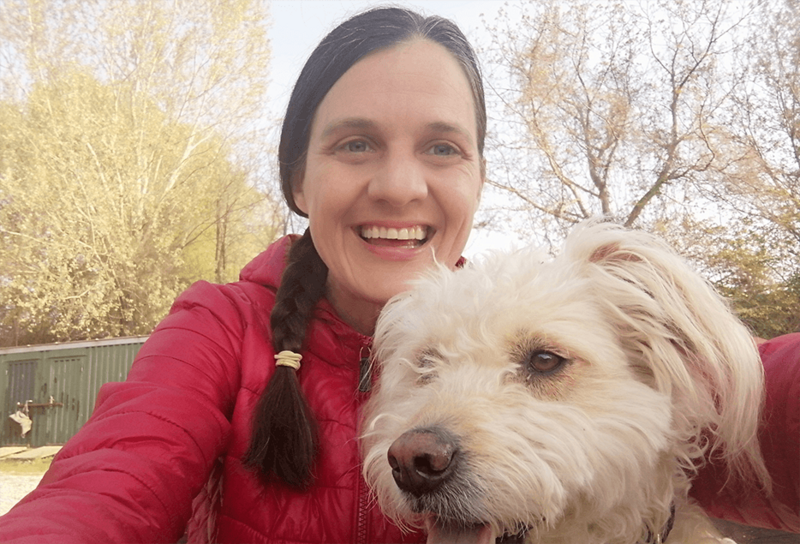
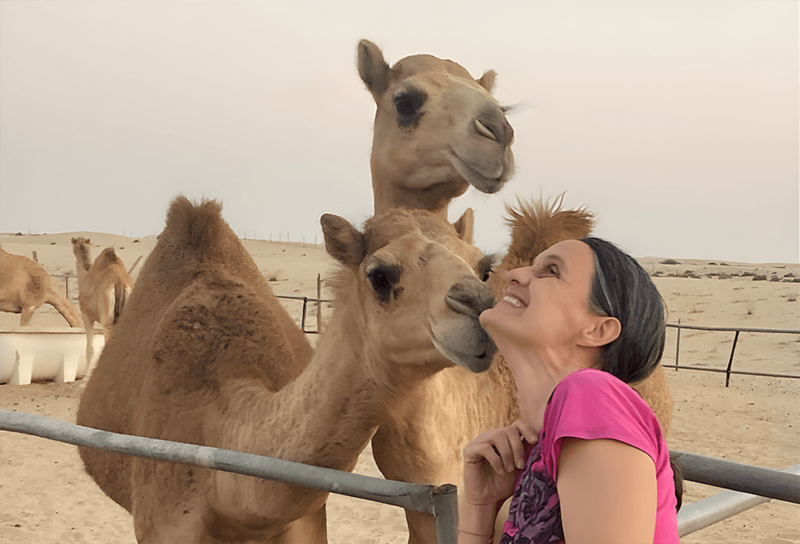
VETMED: How did your career aspirations come about?
Katja Silbermayr: Animals have fascinated me since I was a child - from insects to elephants. In addition to the "Universum" documentaries, spending summers with my grandparents in Upper Austria also played an important role. They had a dog and I collected and "studied" lizards and grasshoppers. When I was in 7th grade, I spent a year in the USA, on a farm in the Bible Belt with a Baptist family. For me, as a young Viennese girl, it was a real culture shock at first and I was homesick - but in the end I didn't want to go back. In rural North Carolina, I saw veterinarians at work and my classmates told me how difficult it is to finance a university education in the USA. I came back to Austria with the feeling that everything was open to me.
VETMED: You have become a veterinary researcher. What was decisive for this?
Katja Silbermayr: I became a mother for the first time at the age of 22 and took a closer look at the profession in real life. In comparison with what was possible and imaginable for me, being a small animal practitioner didn't seem very family-friendly. I discovered the bachelor's degree programme in Biomedicine and Biotechnology at the Vetmeduni and my second daughter was born during this time. I realised early on that I like to understand interrelationships, but less so the hands-on clinical work.
VETMED: At that time, the degree programme at the Vetmeduni was brand new. How did that shape your academic career?
Katja Silbermayr: I learnt many techniques in biomedicine that are not typically taught in veterinary medicine. I then completed my doctorate in genetics, which later proved useful in parasitology and for my qualification as a Diplomate of the European Veterinary Parasitology College. I also completed a Master’s degree in Wildlife Management at the University of Natural Resources and Life Sciences. Before our older daughter started school, we spent a year as a family in New Zealand. My Master’s thesis on bluetongue disease, which is transmitted by midges, became a strong foundation for my postdoc position in parasitology.
VETMED: How did you decide to switch to the pharmaceutical industry?
Katja Silbermayr: I have always enjoyed travelling – I also spent a semester abroad in Spain through ERASMUS with my first child. During my residency, I spent several weeks in Basel, Boston and California. But I did not want my family to spend years abroad for the sake of an academic career. I was a well-trained scientist, but I needed more stability, and at that time there were limited prospects at the university. After my academic career, I joined Bayer’s Animal Health division, where I was already responsible for small animal and equine products.
VETMED: Did your studies prepare you well for your new tasks?
Katja Silbermayr: Not entirely, but I was well prepared in the sense that I am also responsible for studies in my current role. In addition, I draw on my specialist knowledge in parasitology and the knowledge from the small animal module.
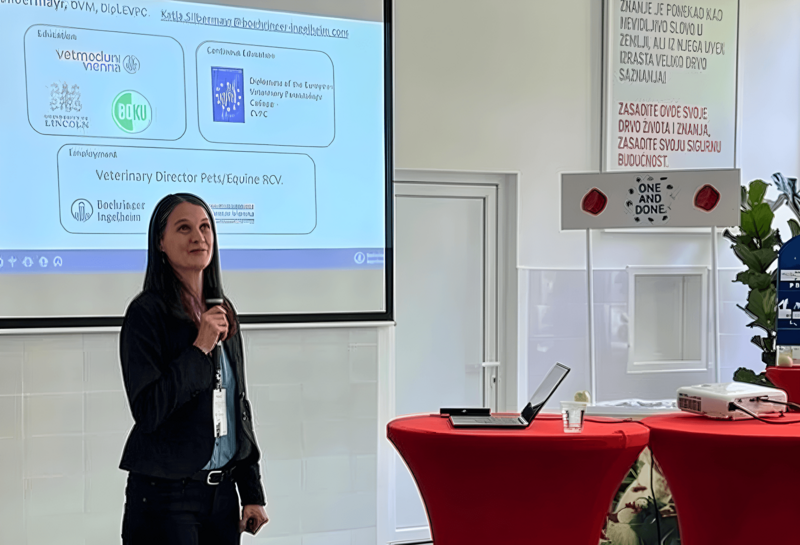
VETMED: What does your day-to-day work as Regional Veterinary Manager, Pets & Equine, Central and Eastern Europe at Boehringer Ingelheim look like?
Katja Silbermayr: The job is extremely varied and not dissimilar to working at a university: I organise training and continuing education, and coordinate and design studies on relevant topics in the region for which I am responsible. At Boehringer, the RCV region covers 33 countries in Central and Eastern Europe - from Switzerland and Austria to Russia and from the Baltic states to Israel. Together with technical experts, we work to close knowledge gaps in early detection, emerging threats and new applications. There is a dedicated team that deals with global trends and innovations. A dedicated team focuses on global trends and innovation. I translate this into a regional context and support colleagues and veterinarians across these countries. I really value being a go-to person for specialised questions and helping to advance topics with strong scientific grounding.
VETMED: How important is the companion animal and equine division at Boehringer Ingelheim RCV?
Katja Silbermayr: We produce a wide range of therapeutics, antiparasitics and vaccines for companion animals and horses. As a research-driven company, our focus is on innovation. We expect animal health to account for around 17% of Boehringer Ingelheim’s turnover in 2025, both at RCV and globally. Our competitors are all US-based companies. It makes me proud to work for a European company in Austria – a major employer that continues to invest in this location. Boehringer has more than 3,400 employees in Vienna and almost 5,000 in the region. It really feels like being on a campus here, and I think that environment suits me very well.
VETMED: What are your points of contact with Vetmeduni today?
Katja Silbermayr: I made lifelong friends at university.
My professional network has grown over time, as we regularly integrate external expertise – in research, training, and lectures from the small animal and equine clinics as well as the preclinical departments. I really value this professional exchange. In March 2026, I participated in the VetmedTalk on “Zoonoses” (Vetmeduni: VetmedTalk - the Vetmeduni online talk). Animal diseases are once again on the rise, for example rabies in Poland and Ukraine. Vector-borne diseases – transmitted by ticks or mosquitoes – are an increasing concern due to globalisation and climate change. Zoonoses are a key topic for raising awareness among pet owners and colleagues. In the event of outbreaks, we are also expected to bring solutions to the market very quickly. Prevention requires close cooperation between authorities and pharmaceutical companies on an equal footing.
VETMED: You said that your career was shaped by early motherhood. You work in management and have organised training and research around parenthood. What would you like to pass on to girls and women?
Katja Silbermayr: My current position might have been difficult to combine with small children 15 years ago, given the travel and the range of responsibilities. Today my daughters are grown up. My advice to young women is: stop hiding your light under a bushel and follow your interests and talents with confidence. Things will usually fall into place. Of course, it helps that my company is very family-friendly – from the company kindergarten to holiday camps. Other mothers had to push for these things before me. My advice to young women is not to feel guilty about combining work and family life.
VETMED: What do you like to do in your free time? Do you have any pets?
Katja Silbermayr: We live with our dog Filuh and our cat Felix. In my free time, I enjoy spending time with my family and friends. I go climbing, skiing and hiking. I still love travelling – despite my work-related travel – and I enjoy culture. Since 2026, I have also been singing in the Boehringer choir, which will perform with our orchestra at the Konzerthaus in April.
The interview was conducted by Astrid Kuffner.
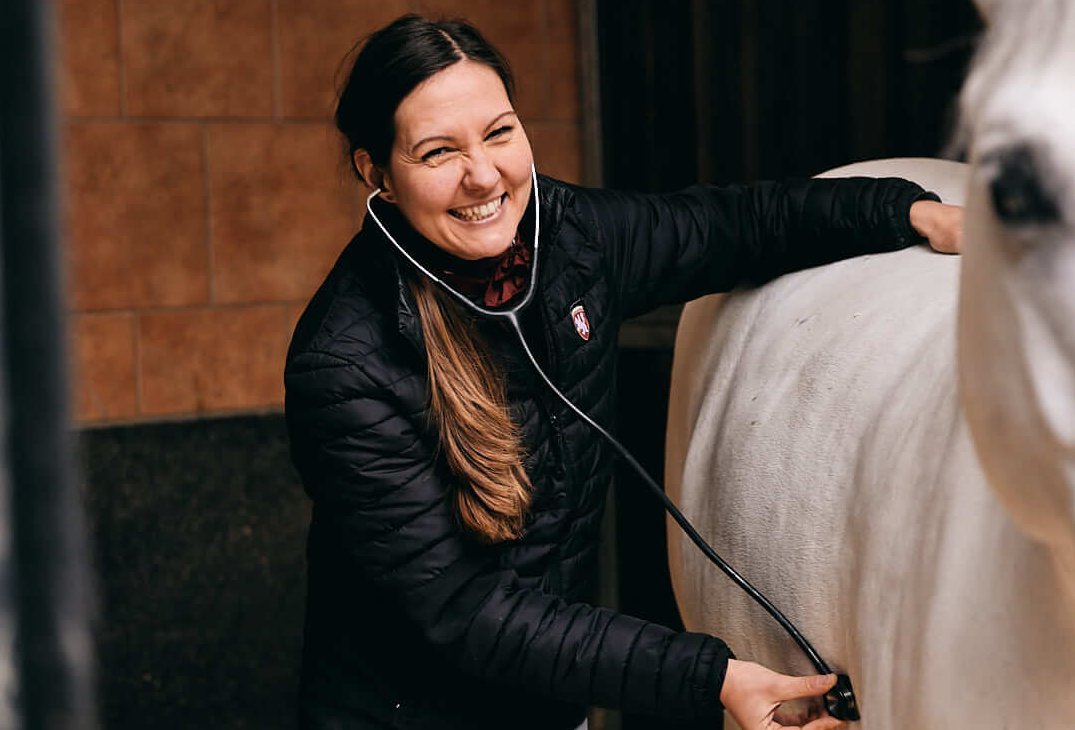
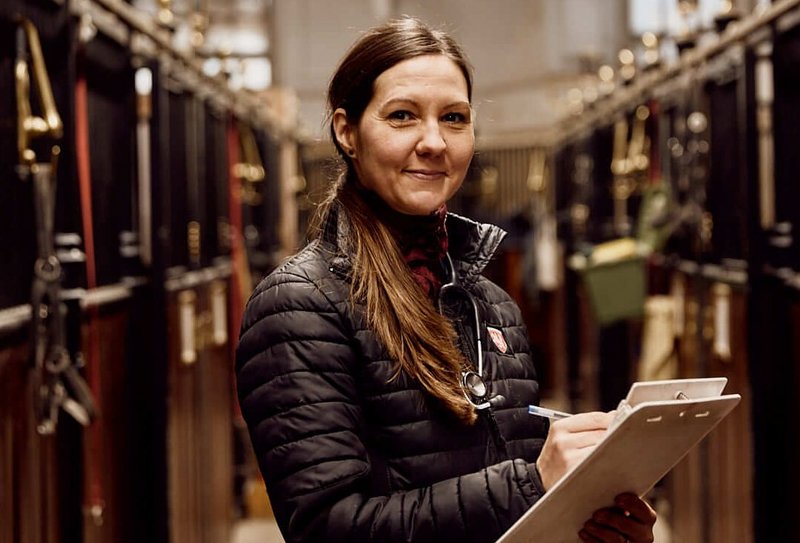
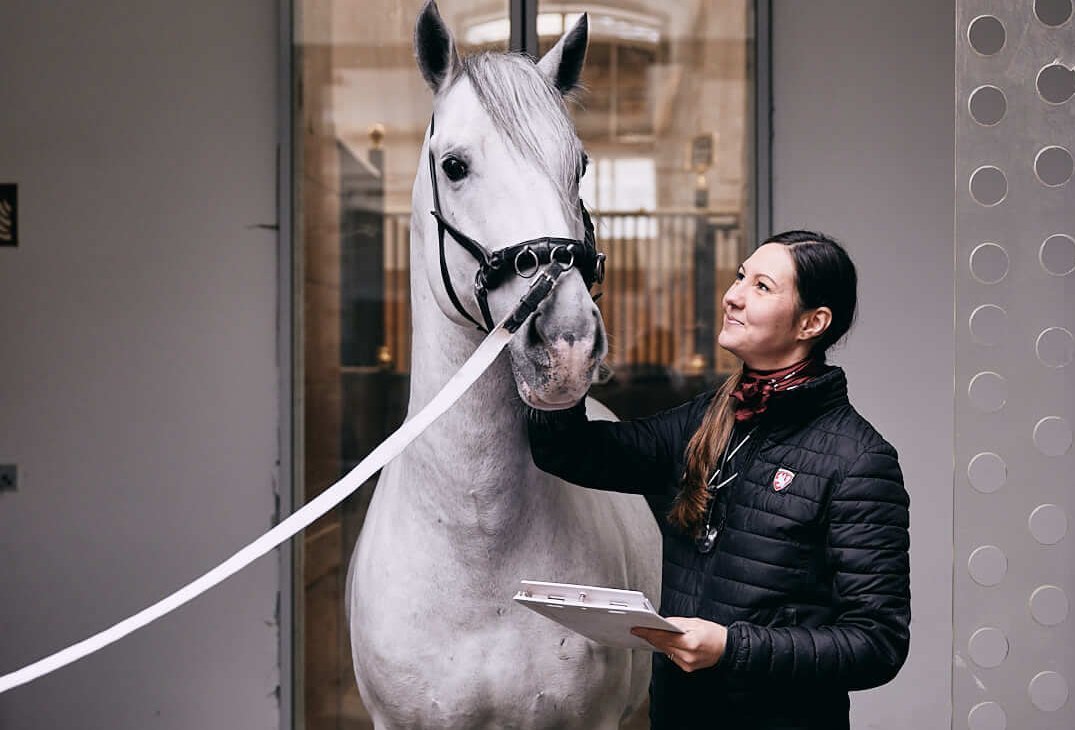
VETMED: How did you first come into contact with horses?
Sophia Sommerauer: My career aspirations were clear at the age of five: I wanted to learn to ride and work with horses. Fortunately, my parents made this possible for me with my grandparents in Lower Austria. I worked in a small riding stable for many years and later helped to pay for the lessons. I set the course with practical days in a veterinary clinic and my A-levels at a grammar school with a focus on natural sciences. I completed the equine module, interned and worked at equine clinics abroad. In Australia, I worked at a racecourse.
VETMED: Did you get to know new approaches abroad, or did you realise that everyone cooks with water?
Sommerauer: It was more the case that I attracted positive attention with my sound training from Vienna, whether in England, in South Africa, in Leipzig or Australia.
VETMED: You have researched and published in a university environment. Is that still relevant in your day-to-day work?
Sommerauer: We have ongoing research projects at the Hofreitschule, for example I am currently supervising a Norwegian PhD student who is working on the microbiome - I am no longer the first author. The ear canal from my dissertation is still important to me because we have developed a technique for anaesthetising the horse's ear that can also be used to perform procedures on a standing horse.
VETMED: What qualities and qualifications were decisive in you getting the job at the Spanish Riding School?
Sommerauer: The fact that I had already worked with sport horses before was an advantage. Lipizzaners are high-performance sport horses, have to be fit for action and are subject to doping guidelines. Of course, this managerial position is also about communication skills. Our riders and grooms have worked with their horses for many years and know them very well. I draw on this expertise and value it.
VETMED: What is there to say about the world-famous Lipizzaner horses that many people don't know?
Sommerauer: Lipizzaners are extremely willing to perform. Initially, they test their humans with a certain amount of scepticism. However, once the relationship is established, they work with motivation, reliability and great enthusiasm. I have been accompanying the animals for five years, some from birth, others until they retire. They know me and my voice because I'm in the stable every day. I come round and stroke their noses, so I'm not just in the house to vaccinate them and do other things they don't like.
VETMED: You work at all three locations of the Spanish Riding School. What all falls within your remit?
Sommerauer:In Vienna there are performances in front of an audience It was founded in 1565. we have been running a training centre in Heldenberg, where I am twice a week. The horses move between the centres every ten to twelve weeks. In the Weinviertel they are moved and trained, have paddocks and paddock boxes. In Piber is our herd of broodmares, the rearing of the young horses and the boarding stallions. A colleague is now permanently on site there and we work together with colleagues in driving practice. I look after the health management of an entire horse population and am responsible for animal welfare and the care of individual animals. We plan for around 40 foals a year in order to maintain a broad genetic base. Our mandate from the Republic of Austria is to preserve the breed through the mare and stallion lines. I am part of the team that assesses the suitability of the animals. Of course, I do a lot of preventative work, writing plans for worming, vaccinations, feed and rearing. But it's also about structural measures. We recently lowered the drinking troughs by 20 centimetres because I noticed that the horses can drink more comfortably this way. Together with the City of Vienna, we have also planted more trees in the inner courtyard of the Stallburg in Vienna to improve the climate in the stables. A complex and time-consuming project.
VETMED: To what extent do you have a daily work routine or fixed structures?
Sommerauer: If I decide to do the paperwork in the office, it's definitely an emergency. It used to stress me out, I have to say, because I didn't have a routine and always had the feeling that something would be left undone. I now take things as they come. Things often happen in waves. Then things calm down again. When you work with live animals, you have to maintain a certain flexibility. I've grown into the tasks, I started as an in-house vet, responsible for the pharmacy and administrative tasks, then the veterinary department was reorganised. I have an assistant who supports me with physiotherapy, for example. The farriers, who also contribute to the health of the animals, are also my responsibility. That has simplified many things.
VETMED: What is also a tricky job for you?
Sommerauer: When a horse has colic, it's always a cause for concern. Initially, you don't know how the condition will develop. We are the first responders and have to assess: is it the circulation, a blockage or a small intestine strangulation that can only be surgically repaired? This usually happens at three o'clock in the morning at minus ten degrees.
VETMED: Support also comes from the Vetmeduni, what exactly does the co-operation look like?
Sommerauer: The Clinical Centre for Horses at the Vetmeduni is our referral clinic. This is a great advantage for me, as I worked there for many years and can discuss my horses' cases closely and in detail with my colleagues on a professional level. Due to our large horse population, we can offer research topics and organise a joint dental and castration workshop in Piber once a year. The students spend a week helping us to castrate the young stallions under supervision. We have almost 300 horses in Piber that have to go to the dentist once a year. And the students support us there too and practise practically.
VETMED: You probably said "my horses" without realising it. Do you also have your own horse?
Sommerauer: I had my own horse for many years, but it has already passed away. Now I ride with a friend.
VETMED: You don't get tired of horses after work?
Sommerauer: Very rarely, but it does happen. Working with horses is more than a job for me, it's a vocation. Night shifts, constant availability and emergency services don't leave you untouched. But it's important for me to say that with good organisation, the job can still be easily integrated into everyday family life.
VETMED: Do you also have a hobby that has nothing to do with horses?
Sommerauer: I love travelling when I have the time. I would love to see the whole world.
The interview was conducted by Astrid Kuffner.

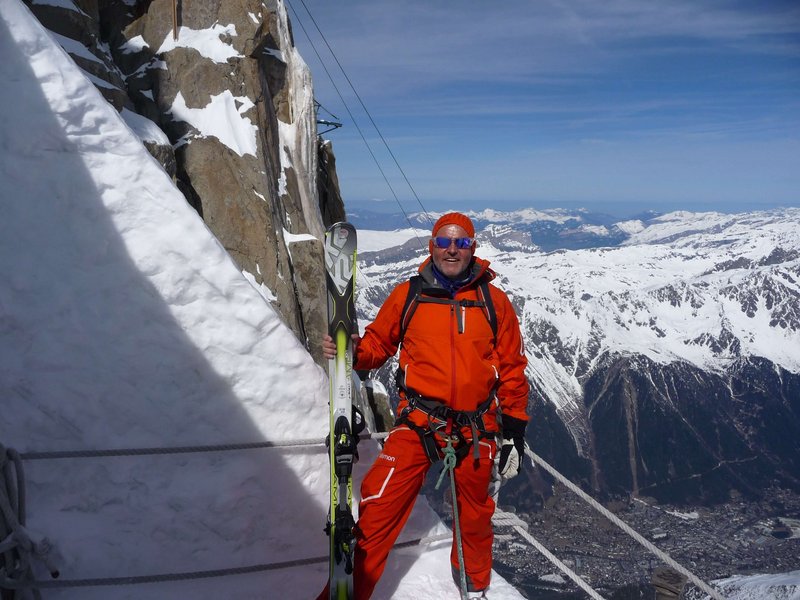

VETMED: As Director of the European Food Safety Authority (EFSA), you are responsible for around 800 employees and a budget of 164 million euros - how do you feel about that?
Nikolaus Georg Kriz : Fortunately, I was not catapulted into this task and responsibility, but have grown into it step by step over the last 32 years. I started in the Regulatory Environment - the mixture of English and German terms is my occupational disease - in June 2000 at the European Medicines Agency, then based in London.
VETMED: How did the move from university to an EU authority come about, even if it wasn't a big step geographically?
Kriz : I was a lecturer in equine surgery at the University of Glasgow and worked there in clinical, teaching and research roles. While looking for interesting positions, I happened to come across an advert for a veterinarian at the European Medicines Agency who was experienced in the practical handling of clinical trials. Lawyers are usually sought for such a job at EU level and scientists from industry or national authorities in the scientific field. I saw an opportunity here. At the same time, I applied for a professorship. The hearing took place in London on a Friday and the final round in Vienna on the following Monday. One door closed and the other opened. I decided to go through and immediately felt at home in the international environment.
VETMED: Has your approach to animal welfare changed with the tasks?
Kriz: I became a vet to improve the lives of animals. When it came to the authorisation of veterinary medicines at the EMA, I was attracted by the opportunity to exert influence with greater leverage. Initially, I treated individual animals, and I also learnt about herd protection. Today, I am mostly concerned with the European population as a whole. EFSA is responsible for food safety, but when I moved to EFSA in 2017, my responsibilities expanded to include animal diseases, animal welfare and plant health. I am now responsible for our entire area of competence. The perspective has changed, but the basic idea has not.
VETMED: What motivated you to study veterinary medicine in 1987?
Kriz: My father was a successful competition rider and Haflinger breeder. I spent most of my youth on a small farm in the mountains near Judenburg, on a "Hube", surrounded by other farms, cattle and horses. People say that I first learnt to ride, then to ski and then to walk. I was practically born with a connection to horses and the opportunity to work with animals fascinated me.
VETMED: Did the training in Vienna prepare you well for your tasks?
Kriz: I remember that we often spent the night in front of the registration centre in order to get an early exam date...unimaginable today. I completed my studies in the minimum amount of time. The training at the old Vetmeduni was theoretical, but very comprehensive, which turned out to be an advantage. I have practised as a veterinary specialist in Sydney, in the Midwest of the USA and in Scotland and am grateful for the sound training. One fellow student works at the WHO, another has a practice in Eggenburg, one is an official veterinarian in Zell am See - I have always appreciated this diversity of people and careers. Professor Reuben Rose, my mentor, taught me that as a "vet" you are a trained scientist who can be very agile. I watched with wide eyes from abroad as the fantastic new campus was built.
VETMED: What do you like about working in European administration?
Kriz: I love working with colleagues from 27 countries. The different attitudes, working and problem-solving cultures make it interesting, challenging and often fun. I am a typical Austrian mix with ancestors from all over the world, brought up with the idea that borders are pointless and people need to work together. It's always disappointing for me when people grumble about Brussels - we are all part of the EU and this community is stronger, cleverer and more capable than any nation state alone, as the history books teach us.
VETMED: What does your typical working day look like?
Kriz: We are a scientific agency with eleven risk assessment committees. The further I have risen through the ranks, the more varied my work has become. As Director of EFSA, in addition to scientific assessments, there are also budget and management issues as well as international tasks and collaborations. From the outside, the work may seem uniform, but for me it has always been highly varied. We are politically independent and ensure scientifically sound risk assessments that are important for humans, animals, plants and the environment.
VETMED: What are you currently most concerned with?
Kriz : Never just one thing - from African swine fever to microplastics, from bird flu to plant protection products, from the death of olive trees to new types of food and much more. We guarantee the safety of food in Europe according to the motto: If it's not safe, it's not food.
VETMED: How does a risk assessment work?
Kriz: It starts with extensive data collection and the search for independent experts. We then carry out the assessment in four steps: Hazard identification, hazard characterisation, exposure assessment and risk characterisation, the actual risk assessment. This creates a scientific basis for risk management and protects public health. Risk communication is an integral part of the assessments. Our assessments are subject to public consultation - so nothing happens behind closed doors.
VETMED: How does artificial intelligence support risk assessment?
Kriz: It is a valuable support when sifting through large amounts of data. But the step before that is just as important. The data must be AI-compatible, available and comparable. One of my first tasks at EFSA, as Head of Animal and Plant Health, was to collect these parameters in all member states, because we are secondary administrators and can make databases talk to each other. EFSA has a relatively large IT budget and we have co-developed software for the systematic literature review that benefits everyone. Our mission is to be useful for the member states.
VETMED: As someone who assesses risks professionally, how unconcerned are you?
Kriz: We all know that there is no such thing as zero risk. I'm an avid freeskier and ski tourer, so I'm used to assessing risks in my private life as well. The routine use of risk assessment has certainly helped me to go through life in a positive and composed manner.
VETMED: What makes Parma worth living in? What do you miss as a Styrian?
Kriz: What I miss about Judenburg are the mountains, the good air, the tap water and the direct access to outdoor sports. After 16 years in London, I miss the cultural offerings in the melting pot. And Parma has the popular Italian flair, this love of food and friendliness.
The interview was conducted by Astrid Kuffner.
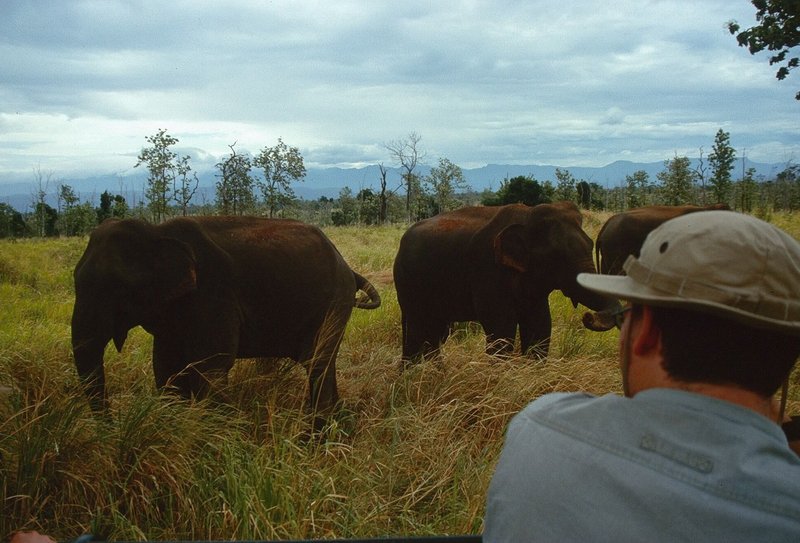

VETMED: What are you working on in the research group "Experimental Resuscitation Research" at the Medical University of Vienna?
Wolfgang Weihs: The window of opportunity for survival after a cardiovascular arrest through resuscitation is about ten minutes. We are trying to further develop resuscitation methods and test new approaches to improve survival afterwards. For example, we have developed mats for therapeutic cooling of patients while they are still in the ambulance. We are also trying to extend the time in which people can be resuscitated by researching new resuscitation strategies. At the Centre for Biomedical Research, we are currently conducting experiments using a rat model. Under anaesthetic, cardiac arrest is induced in the laboratory following ventricular fibrillation and the animals are resuscitated after eight minutes using an extracorporeal circuit and then cooled. A model that is only carried out in this way at very few research centres in the world. The effects on neurology and survival are researched, but samples are then analysed in a broad network of experts and research institutions in order to answer questions from various perspectives such as nerve cell pathology in the brain and spinal cord, the effects of the therapy at a biochemical and molecular biological level, etc. I helped to establish this now international network. I helped to set up this now international network and we also work closely with the Vetmeduni, for example.
Before that, you carried out wildlife biology studies at two different elephant stations in Sri Lanka. How did that come about?
Weihs: I was already a music student and had completed my militia officer training in the Austrian army when I started veterinary medicine. I have always been interested in biology and zoology, but also history. As my father was a professional musician, music played a big role in our home. However, I wanted to study something that offered many opportunities. My first idea was to become a vet specialising in exotic animals. As part of an elective course, I met the well-known elephant researcher Fred Kurt and went with him on two wildlife biology field studies in Sri Lanka in 1997 and 1999. Together we wrote a book about it: "Elefant in Menschenhand" (Filander Verlag 2001). That was another reason why I studied for quite a long time. But I didn't want to work abroad all the time, I have my family here and there aren't that many elephants in Austria. So I was looking for a way to keep the centre of my life here. In 2022, however, I was a visiting researcher at Charles University in Prague to work in a great team.
VETMED: No training or professional experience is ever free. What did the army and studying music teach you that still helps you today?
Weihs: In the orchestra, you learn that it only works if everyone is working towards the same goal. The conductor is at the forefront, but a well-rehearsed orchestra can manage without him. In the army, I learned to lead and to persevere and improvise in stressful situations. Both of these things still help me today.
VETMED: You completed your doctorate in veterinary medicine during your time at the Medical University of Vienna. How did you get there as a vet?
Weihs: By chance. A student friend told me in 2003 that they were looking for students to look after laboratory animals on night duty. Calves were used in research into artificial hearts. The freshly operated animals, connected to the external pump via countless tubes, had to be cared for alone after the operation. You had to quickly switch from theory to practice. For the first time, I had the feeling that it was about living, not learning. It was also a well-paid student job. So I was registered in medical research for the first time. After the compulsory internships during my studies, I was asked by the renowned resuscitation researcher Fritz Sterz if I could also look after his animals at the Centre for Biomedical Research at the Medical University of Vienna. I wrote my dissertation on a project at the centre. I gradually made myself a bit indispensable and was employed as a research assistant. Now I bring continuity to a job that builds on experience. After a few semesters of experimental research, young doctors usually return to clinical training.
VETMED: You work at Vienna General Hospital, where people are cured every day or don't make it. What does that do to you?
Weihs: I walk through a clinic to my office every day, where I see sick children and worried parents. I always have a comforting word and a sympathetic ear for my colleagues at the university hospital because I'm part of the team, but I'm not directly involved in the human dramas. It makes sense to me that my work is ultimately about improving people's lives.
VETMED: What fascinates you about working on the borderline between life and death?
Weihs: I am fascinated by Egyptian mythology. Osiris is the god of the afterlife, rebirth and fertility. Reanimation" is one of the most fervent desires in human history. My job has an Osiris priestly flavour. I fight against time, which inexorably runs out during cardiovascular arrest. Every minute that passes stands between living on and finally dying.
VETMED: What advice would you give to students who are interested in research?
Weihs: I have the impression that a huge field of knowledge is taught during training at the Vetmeduni. Research means focussing. You gain an overview of a smaller area, but you do it well. A poor grade in Physiology should therefore not deter you from taking this path. My advice is to set yourself a goal, but to remain open to interesting opportunities. Seize them, even if it means a distraction. If I had decided to go into resuscitation research, I would probably never have ended up here. And the environment is important. No matter how renowned a group is, no matter how promising the topic. If I don't feel comfortable, it won't work out. Research certainly requires enthusiasm, perseverance and a bit of luck.
VETMED: You are a mentor in the Senior Mentoring Programme at the Medical University of Vienna. What do you teach the mentees?
Weihs: I try to give them self-confidence and the opportunity to come into contact with my research without being shy - even in my chosen subject. Setbacks are normal. We plan in the best possible way and don't want to waste any laboratory animals. But if something doesn't work out, we repeat the experiment.
VETMED: What role does music play in your life today? Did you never want to be a cellist?
Weihs: Music is a language that I wouldn't want to live without. I learnt it conscientiously and am still an avid music listener to this day. But working as a professional musician brings with it certain constraints that I didn't want.
The interview was conducted by Astrid Kuffner.

VETMED: You studied law for two years before switching to veterinary medicine. What was the deciding factor?
Maria Guschlbauer: I always wanted to study veterinary medicine, but didn't think I could do it at first. They say you can't go wrong with law. I persevered until Roman law, where I learnt about the ownership of slaves and horses, and that's when I realised: I was in the wrong degree programme. I packed up and when I saw the notice on campus for the elective subject "Equine Movement Analysis", it felt right. Enrolling at the Vetmeduni after all was the best decision of my life. In fact, the sharpened eye for legal texts is a good basis for my work today.
VETMED: In January 2025, you qualified as the first specialist veterinarian for laboratory animal science at the University of Cologne's Faculty of Medicine and have headed the Animal Husbandry Network since 2016. Not curing animals, but keeping them in a species-appropriate way for research is not a typical motivation for studying veterinary medicine. How did that come about?
Guschlbauer: I got into it as a child. I often visited my aunt and uncle in Mödling with my family. My uncle worked at the Federal Office for Epizootics and lived on the premises. He told me a lot about the diversity of his work, which fascinated me even back then. He once saved the life of the family dachshund because he was a trained vet. My cousin had an animal welfare-compliant mouse castle in the cellar at home - they had a perfect life. I never had any reservations or prejudices - my uncle was totally transparent about it and it seemed very orderly to me. Nevertheless, I initially focussed on horses during my studies. Laboratory animal science only became my subject later.
VETMED : You moved from Vienna to the Institute of Physiology at the University of Veterinary Medicine in Hanover for your PhD studies in 2007. You moved from there to Cologne in 2013. How did that come about?
Guschlbauer: The Vetmeduni in Vienna is well-positioned internationally. After graduating, I simply applied for an internship in Hanover. I immediately liked life in northern Germany, this world of horses. I was a research assistant and had to think about animal testing applications for the first time. I wanted to research on a cellular level why some pathologies are so difficult to get under control and how to do it better. After my post-doc period, I wanted to develop further and looked around. One position was advertised in Vienna and one in Cologne.
VETMED: Before we come to your current job: Did your training prepare you well for working abroad?
Guschlbauer: We enjoyed very good practical training. We were always allowed to do a lot ourselves on the Vetmeduni teaching and research estate (note: now VetFarm). That was a clear advantage for me. I was never afraid of doing something practical.
VETMED: Did being from Vienna help you in your new home?
Guschlbauer: You can save a lot with Viennese humour. But above all, I think what another uncle of mine used to say is true: Where there are people, there is humanity. Being tolerant of diversity is perhaps a fundamental Austrian virtue. I get on well with that.
VETMED: Back to Cologne: how were you able to gain a foothold at a human medicine faculty and what appeals to you about it?
Guschlbauer: I wanted to develop myself further and in Cologne they were looking for someone to do research in the large animal sector. I thought to myself "that won't work", but I wanted to apply anyway. From northern Germany to the Rhineland, I experienced another positive culture shock: I received a very friendly welcome and was invited to do a trial period. It's my style to always set myself small goals. So I decided to start training as a specialist in laboratory animal science in Cologne. From there, I started my journey into the management role that I have held since 2016. In 2023, I took over another large animal husbandry area.
VETMED: You have been in charge of the entire animal husbandry network, where laboratory animals are kept and made available for medical research, since 2023 and are responsible for around 70 employees. How do you approach this management task?
Guschlbauer: Over the course of my career, I have seen many leaders and interpreted their behaviour for myself. My time at the Austrian Student Union, where I was Chair for a year, prepared me well for working with people and their different needs. I really enjoy doing that. Clear responsibilities are important to me. Everyone needs to know: what is my area of activity, who can I ask, who is responsible, who has something to say to me? I want to implement a "culture of care", a kind of care and appreciation. We have this for our animals, but also for people. I exemplify this and I expect the same from my employees in service, administration, animal care and veterinary medicine. Communication must not be allowed to break down. That has become my job in recent years and I have absolute trust in my people.
VETMED: How do you respond to people who criticise the use of laboratory animals?
Guschlbauer: We are in direct contact with complex medical research in the clinic, which produces important findings. If I need an ethical justification for my actions, I go over to the clinic, for example to the intensive care unit or the paediatric oncology department. There I can see why we are doing this.
The laboratory animals receive exemplary care and can live according to their needs. It goes without saying that we adhere to the 3Rs principle for animal experiments (replacement, reduction, refinement). I am proud of what I do. It is important to me that it has added value for people. We also pass on animal welfare as our top priority in the courses on laboratory animal science that we hold at the university hospital.
VETMED: You have lived in Germany for a long time. How do you maintain your relationship with Vienna in everyday life?
Guschlbauer : My family is far away, but very important to me. They have always had my back. So I plan time for visits. I like to bring back typical sweets from Vienna for my team. At home, I always cook typical Austrian food. In my office, I have a beautiful view of Vienna looking towards Kahlenberg and Cobenzl.
VETMED: What do you do to switch off after a long day?
Guschlbauer: I'm always available for my people in an emergency - but this responsibility doesn't burden me. After work, I drive to my horse and on the way there I let go of work. As a nature fanatic, I'm out with my dog or horse almost every day - it really grounds me.
The interview was conducted by Astrid Kuffner.
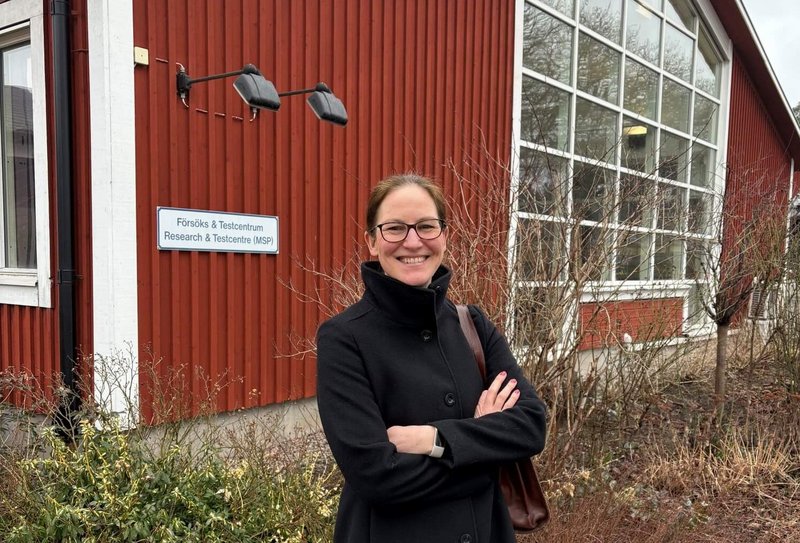
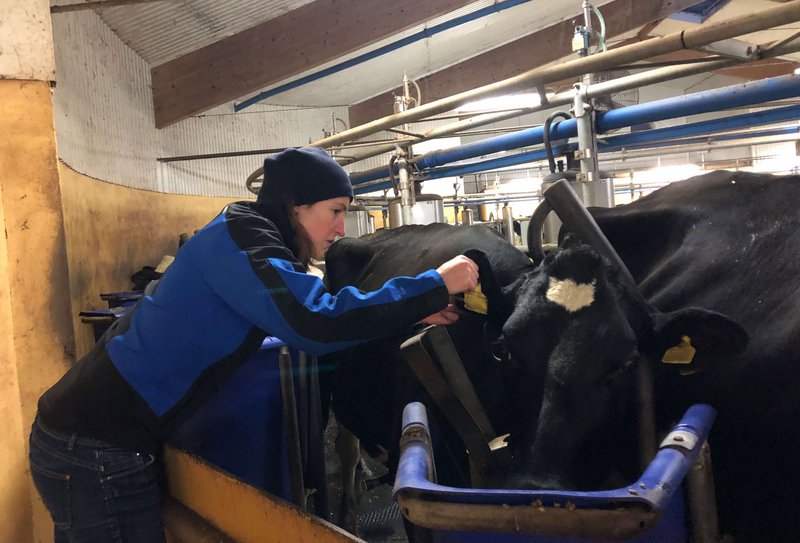
VETMED: What motivated you to study veterinary medicine in Vienna?
Claudia Lindh: I grew up in Carinthia near Villach. My interest in horses and my hobby of riding were decisive factors in my choice of career, but I was also interested in business. Today I can combine these two interests well. Veterinary medicine was initially my greater passion and I approached my studies with great idealism. I have always been rather analytical, interested in facts and nerdy, as they say today. I've always read lots of different books, from futurology to epidemiology. Studying was great, but the profession of veterinarian in practice was not for me.
VETMED: During your doctorate at the Institute of Animal Nutrition, you specialised in interdisciplinary nutrition, immunology and public health. How did this specialisation come about?
Lindh: I am very open and curious. I wouldn't see myself as an expert in a defined field. The new was always the interesting thing for me - I'm a bit of an opportunist. I was initially a fan of the idea of becoming an equine vet, but switched to farm animals during my studies because it's a complex and interesting field and I liked the people. On a larger scale, farm animals, animal feed, food supply and food safety are all connected. I have worked in various projects on feed hygiene, epidemiology and public health, one after the other and building on each other. I have also worked with different methods and people during internships abroad in the USA, Berlin, the Netherlands and Sweden.
VETMED : But Sweden also grabbed you for other reasons, didn't it? You have been living in Uppsala since 2012 and have changed careers: From assistant professor at the university to product manager at the biotechnology company.
Lindh: That's right! I met my husband in 2010 and he initially came to Vienna with me for two years. We got married and decided to move to Sweden to start a family. I started at Boehringer Ingelheim, in the small Swedish spin-off Svanova, which develops diagnostics for notifiable animal diseases, where I was able to put my epidemiological knowledge and analytical streak to good use. I also developed my soft skills in the company's own courses, there was mentorship and a lot of learning by doing. The small company was great for entering the corporate world, because you can do a lot there. Product management is all about communication, analysing the market, improving the product with R&D and partners, the best pricing strategy, putting out tenders and networking at conferences and trade fairs, for example.
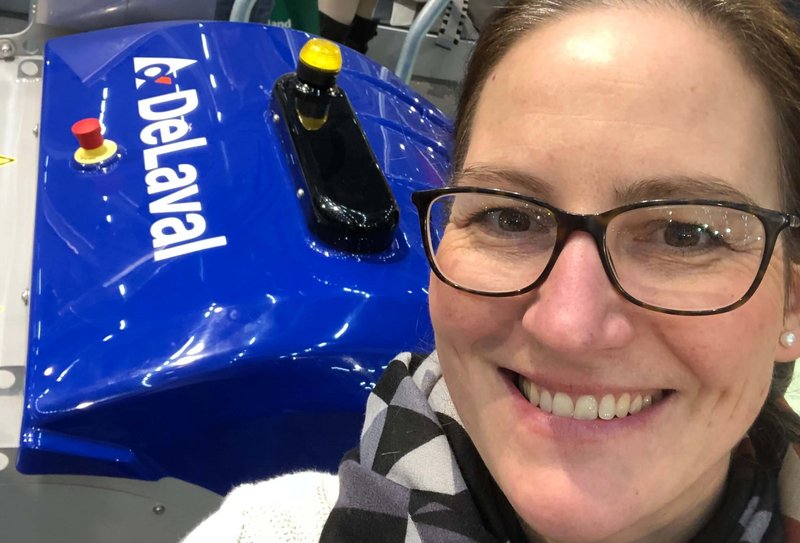
VETMED: Today you work for DeLaval, a technology provider. How did that come about?
Lindh: I applied there on my own initiative because I was fascinated by the idea of taking samples directly at the milking machine. In other words, analysing data in the barn and quickly identifying production diseases. I started there in autumn 2017 as a product specialist and have now been Business Development Manager for five years. Sensors, automation and robotics were completely new areas for me, but I learnt the ropes.
VETMED: Did your training at Vetmeduni prepare you well for your various careers?
Lindh: Studying medicine trained my structured and analytical thinking and gave me a basic understanding of the physiology and diagnostics of livestock diseases. The technologies for livestock measurements and precision medicine were still in their infancy at the time, but are certainly teaching and research topics today. Communication is also part of research training - this skillset is also needed in business.
VETMED: DeLaval is a global company with 5000 employees that specialises in milking and barn management, solutions for behavioural analysis, dairy farming and herd management.What do you do there as Business Development Manager?
Lindh: I'm responsible for strategy and innovation, so I monitor market trends, the regional employees and product management give me feedback and I keep an eye on the competition. I try to define goals in business development and achieve them through active innovation management, especially by trialling new technologies. It's about deciding what our company should develop further for our customers.
VETMED: What is your recipe for constant change and seizing new opportunities?
Lindh: Curiosity and openness to new things were important - I think I learnt that at home. I've always welcomed and used digitalisation in my private life too. Professionally, it's about its benefits in combination with traditional agriculture. A driving force for me is to do good - at DeLaval with innovative products that work on the farm. My studies help me with this practical thinking. To be successful in my role, I have to draw structured, logical conclusions, i.e. come to a recommendation even when the input is highly complex. This is also trained during my studies through the repeated path from analysis to diagnosis. In relationship management with customers, colleagues and external partners, logic doesn't help, it's human. You need the opportunity for others to get involved, as well as clear, structured and passionate communication in order to get things moving. Enthusiasm is important for persuasiveness.
VETMED: What do you miss about Austria?
Lindh: I feel at home in both countries, but Sweden is geographically further away from others than Vienna. Or Villach, where you can drive to Italy or Slovenia for dinner. I felt more centralised there. I miss my family, old friends and the mountains. But Uppsala is a university city, so I've made new international friends and we also have an Austrian community.
VETMED: And what was unusual for you in Sweden?
Lindh : My husband proudly showed me the castle in Uppsala. But if you have the Habsburgs to compare it to... Well, yes. Some traditions don't exist here, such as the Danube waltz on New Year's Eve. The Swedes are socialised differently, more group-oriented and I think that's a good thing. In Carinthia we are very welcoming. In Sweden, people are more reserved and don't warm up until a little later. So I'm a bit exotic with my manner. This also helps me in business, because I'm quite attentive and perhaps also a bit funnier.
VETMED: Where do you find balance?
Lindh: With my family and children. We are all quite sporty - we go cross-country skiing, hiking and horse riding, for example. The nature in Sweden is very vast and beautiful and offers a good balance. I also still read a lot.
The interview was conducted by Astrid Kuffner.
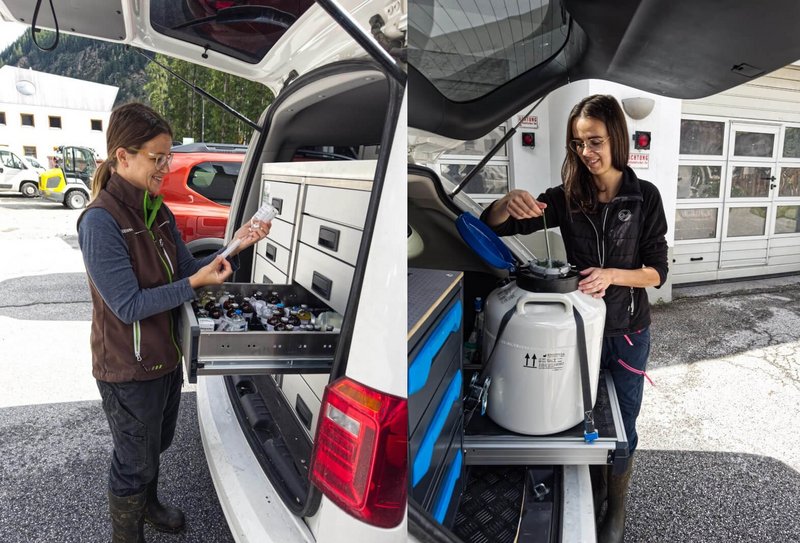
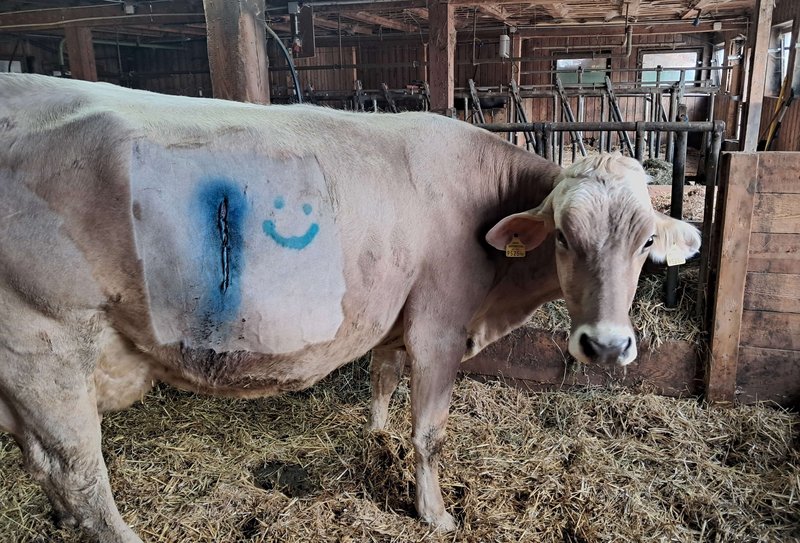
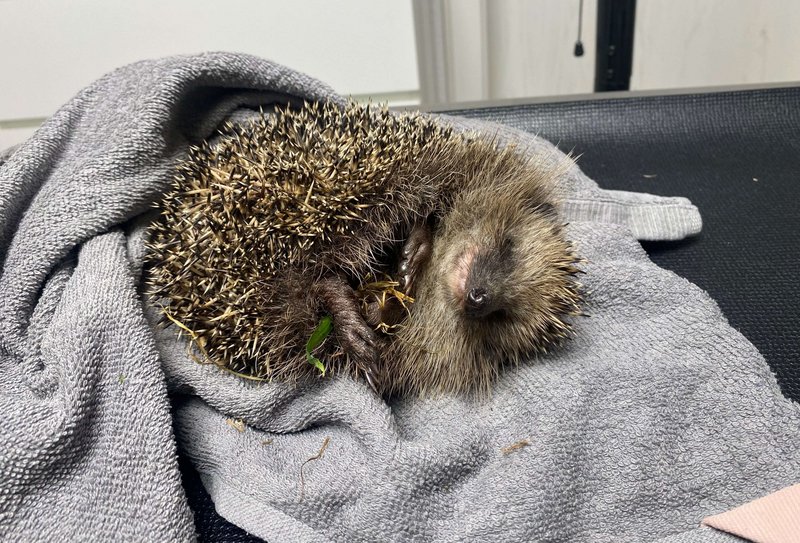
VETMED: Did you both always want to become vets?
Melitta Neurauter: We both grew up with it. We know the ins and outs from an early age: helping in the barn, milking, looking after the animals - we also had a dog.
Anna Wassermann: I wanted to be a vet from kindergarten. I grew up on a farm and two of my uncles are vets.
VETMED: When you work closely together and take entrepreneurial risks together, you have to get on well. Did you get to know each other during your studies?
Neurauter: We only got to know each other shortly before we set up the practice. The official veterinarian from the Imst district was looking for people who could take over the care of large animals in the Ötztal.
VETMED: How did you realise that you harmonise well? Do you complement each other or are you particularly similar?
Neurauter: In terms of expertise, we are quite similar. We work in the same direction, have both done a lot of intensive care medicine and operate on everything from claws to intestinal obstructions ourselves. We are different in character. I'm louder, for example, but we complement each other.
Wassermann: That's right, I'm quieter, but we speak the same professional language. We sat down for a coffee and clarified certain issues. We were probably very lucky because we liked each other straight away.
VETMED: Looking back, what was the most important question when you were getting to know each other?
Neurauter: How we contribute proportionally. We each give 50 per cent in terms of work and funding - we both always wanted to put in the same amount - and take the same amount out. We alternate night shifts. During the day, we work separately, each with our own company car and take it in turns to use the company phone. The one with the phone does the rota. We discuss cases during the handover and carry out larger operations together.
So we can be contacted around the clock - always. In autumn and winter, when the calves are born, it's intense. In 2024, we had an operation every night for a fortnight.
VETMED: How important is the practice in Längenfeld for veterinary care in Ötztal?
Neurauter: We've had an employee in our team for two months now, so there are three of us in Längenfeld. Since then, each of us has had one day a week off. There is one more colleague in Ötz, but she will be retiring soon.
VETMED: So Ötztal is firmly in the hands of women veterinarians. Was that ever an issue for both of you: that a female vet was not trusted with all facets of the job?
Wassermann : That has happened occasionally. Farmers who were critical at first. We won most of them over with our work. There will always be a few who don't trust a woman to be a large animal practitioner.
Neurauter: Our customer base is growing in any case. We also do small animals two mornings and one afternoon: Dogs, cats and rabbits.
VETMED: How many animals are you responsible for in Ötztal? How many hours do you work per week?
Neurauter: We have never worked that out.
Wassermann: In winter probably 60 hours a week, in summer we take a breather because the animals are on the mountain pastures - that's our quiet time.
Neurauter: We look after perhaps 9,000 to 10,000 sheep and goats and 3,000 cattle.
VETMED: You received start-up capital from the state of Tyrol to take over the site. What did you have to do and how did you manage the business side of things?
Neurauter: We continue to rent the premises of our predecessor, but have refurnished the surgery. Accounting is not our thing per se, but we have familiarised ourselves with it. It was difficult at first - one advantage was certainly that we were both previously employed in mixed practices.
Wassermann: Where you order all the things, medicines and so on is an important question. Market knowledge from practical experience is an invaluable advantage.
Neurauter: We are also official vets. Meat inspection was new to both of us. You don't learn how billing works during your studies and you're not shown how it works.
VETMED: Were there any other surprises in your day-to-day work - in the transition from studying to practice?
Wassermann : We learnt a lot at home on the farm. We knew what we were getting ourselves into.
Neurauter: It's important to do good work placements during your studies. Ten weeks in a good place, where you are allowed to reach out and do something yourself, can get you to the point where you can drive yourself.
VETMED: Speaking of driving. You are on the road a lot. In the mountains, in winter, on forest roads, to remote mountain pastures.
Neurauter: I have a VW Caddy as my company car.
Wassermann: I have a Mitsubishi Outlander. The most important thing is the four-wheel drive. We both learnt to drive tractors at an early age.
VETMED: Which aspects of your work do you like the most?
Neurauter: I like the variety. You never know what to expect on duty
Wassermann: I like orthopaedics and claw treatments
VETMED: How do you switch off in your free time?
Neurauter: After more than a year, we both take a two-week summer holiday thanks to our employees. I have a four-year-old daughter and when I have time I like to go hiking, skiing in winter and reading.
Aquarius: We have nature on our doorstep and I also like to go hiking and walking.
VETMED: How would you like to develop the joint practice further?
Neurauter: We have another employee in the surgery who helps in the pharmacy. I'll be pleased when our collaboration has worked so well that we can rely on each other blindly.
Wassermann: A room for operations with a small intensive care unit and two adjustment boxes would be a good thing.
VETMED: What do very few people know about small ruminants?
Neurauter: Sheep have a strong maternal instinct and will box you into a corner if you're not careful. A mountain sheep can weigh up to 100 kilos. But if they reject the lamb, they are just as merciless. You can then blame it on a goat, because they'll take anything(laughs).
Wassermann: It's simply an occupational hazard, but nothing has ever happened to us. The farmers know their animals well and let us know which ones are better to keep an eye on.
The interview was conducted by Astrid Kuffner.
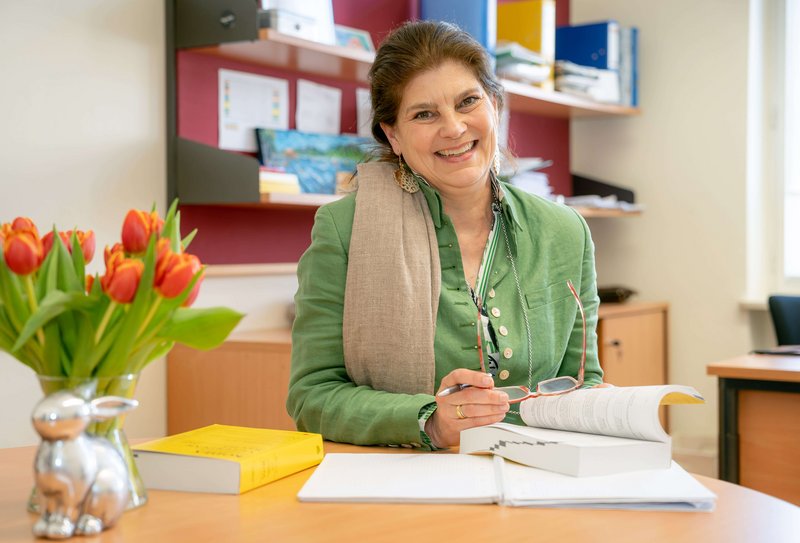
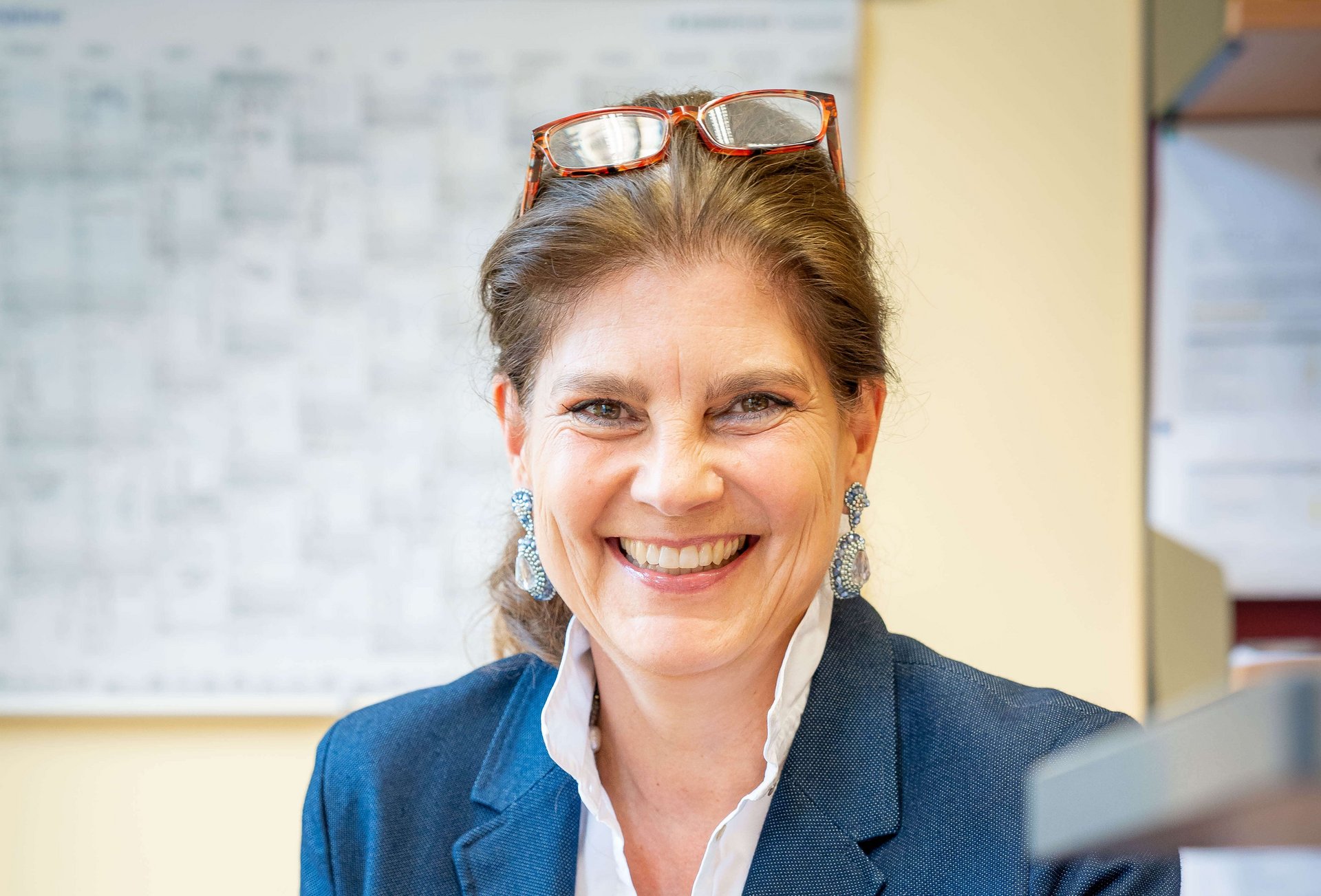
VETMED: Did you always know that you wanted to become a vet?
Constanze Antosch: I grew up in the city of Salzburg, but it was actually my only career aspiration from an early age. I was completely open as to what kind of vet I would become. And as it turned out later, that was a recipe for success for me.
VETMED: After completing your doctorate, you worked at the Vetmeduni as an assistant at the Clinic for Reproductive Medicine with Small Animals. In 2000, you moved to Salzburg as an abattoir vet. How did that come about?
Antosch: I liked it at the university. I loved teaching, I always enjoyed the contact with people and animals. I had a contract for five years, but back then you had to say after 3.5 years whether a habilitation was the next step. I gave it a lot of thought. An academic career requires specialisation. That's where the personal slice of the pie of topics becomes quite narrow and pointed. I came to the decision that I didn't want that for myself. At the same time, I voluntarily completed the official veterinary physics degree.
VETMED : How many female abattoir vets were there in Salzburg at the time?
Antosch: I was the first. With this training, many things were conceivable and possible for me. In physics, I realised that I was interested in the bigger picture, that I wanted to be involved in dealing with epidemics and the development of laws, food safety and animal welfare in an international context. I found out about the job advert by chance and relatively late in the day. Before it appeared in the newspaper, others had been preparing for it for a long time. But I had to reorganise my CV anyway. I was the only woman at the interview, but I had experience of speaking in front of people from my lectures. The city fathers were cautious, but probably saw my appointment as a low risk.
VETMED: So you put on white wellies instead of black ones and started a bone job at the abattoir. That was at the time of the BSE crisis. As the only woman, was life made more difficult for you?
Antosch: I was interested in working in public administration, but being an abattoir vet is not really a desired profession when you join the magistrate's office. It was simply the first vacancy and an opportunity for me to make a change. I was used to people making appointments with me at the clinic and started again as an apprentice, so to speak. I'm relatively tall, but the work clothes I ordered - from boots to coat to helmet - were three sizes too big. So I looked like everyone else from behind. It was physically demanding work and I was already being tested to see if I could cope. It starts very early in the abattoir, it's piecework where you have to be very vigilant because otherwise it becomes dangerous. We were confronted with BSE in the front line, which required complete documentation and strict separation. Every hand was needed. There was no time for games. The two years were tough, but I experienced a community there. In the abattoir, everyone does their job without much distinction. The result has to be right and that depends on everyone. Many commit themselves for a certain period of time and bite the bullet to enable them to take the next step.
VETMED: How often did you need a strong stomach?
Antosch: Every day. I became very sporty and also thought about structures and processes for the first time in order to manage things a little better. After my second maternity leave, I was able to take over the management of the food supervision department at the magistrate's office. The year 2002 marked a paradigm shift in food supervision due to new EU regulations and at the same time there was a wave of retirements in the food police. I identified these predictable federal tasks as a niche for me, so I commuted between Vienna and Salzburg for six months during my maternity leave, my husband with our young children, and took the food inspection exam. That was way out of my comfort zone, but it was worth it.
VETMED: You have been Head of the Market and Veterinary Office since 2022, having already replaced the previous Head as Head of Department since 2017. What's new?
Antosch: As Head of Food Inspection, I set the pace. As head of the department, I am responsible for food inspection, markets and animal health. In the small city of Salzburg, where I am close to the citizens, but also receive orders from politicians. If we do a good job of prevention, our tasks are not noticed. When we act in response to an incident, which is triggered by a problem or unsafe food, it's in the newspapers. I like the proximity to people through consumer protection and the market system with its links to small producers as well as large corporations.
VETMED: What are you worried about at the moment, what are you preparing for?
Antosch: We must always be prepared and have a plan B in the drawer. To be prepared for the next epidemic and disaster, we need to know what we are doing on a daily basis and be open to change - you need a high degree of flexibility. It could be a food-borne disease outbreak or a seagull falling from the sky because of bird flu. Salzburg is currently also categorised as a high-risk area for bluetongue, and the intra-European livestock trade is particularly affected. We are always on alert.
VETMED: What is the importance of quality management in your field?
Antosch: Quality management provides occupational safety. Creating the processes is tedious, but if they are accepted, regularly updated and also streamlined, we achieve good results and can react in an emergency and understand everything. If something happens, it is clear to us who calls where, who is informed about what and who is responsible for what.
VETMED: How would you describe your management style?
Antosch: My employees' work is my calling card. It's important to me that I know what's happening. My door is open and there are no stupid questions. Everyone needs to know what they are doing and why they are doing it. Mistakes happen, but they are analysed. We need an intensive dialogue in the specialist areas and a basis of trust so that everyone is open about what they notice. We think about things together and come up with good ideas.
VETMED: Did your studies prepare you well for your current role?
Antosch: Yes! I was very lucky that I didn't have to decide and specialise very early on. I briefly had the idea of helping out in a small animal surgery next to the abattoir, but with the wide range of tasks in animal welfare, treating a guinea pig with skin fungus would no longer have fulfilled me.
VETMED: You are a passionate sailor. How does your hobby interfere with your job and what does it offer as a balance?
Antosch : We sail an old wooden boat without modern equipment, which needs at least three crew members and a lot of attention. The co-sailors have to trust me as the skipper and the tasks have to be clearly distributed, otherwise we'll run aground. And for me, it's a relief that we can't be reached by phone for at least three hours after casting off.
The interview was conducted by Astrid Kuffner.