Skip to main content Skip to Genetics and Animal Breeding navigation

Profillinien Start-up Grant: Yulia Gonskikh establishes primary neuron culture model at Vetmeduni

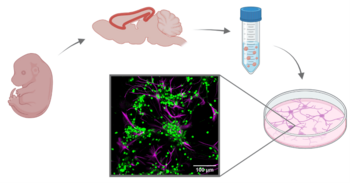
Yulia Gonskikh was awarded a Vetmeduni Profillinien Start-up Grant to advance her research into RNA biology in the nervous system. These internal grants are designed specifically to support talented early-career researchers, providing vital funding to help them establish independent projects and facilitate their acquisition of competitive third-party funding.

With this funding, Gonskikh will establish primary mouse cortical neuron cultures as a cutting-edge model system to investigate the role of transfer RNA (tRNA) and translation regulation within the nervous system, a crucial area of research for understanding both healthy brain function and neurodevelopmental disorders.


01.03.2026: Robert Kofler appointed Assisstant Professor

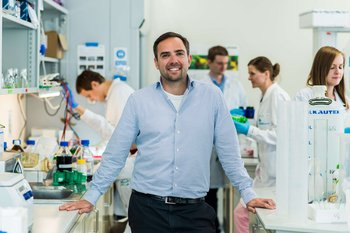
Robert Kofler, the newly appointed Assistant Professor for Genetic Health of Companion Animals, has joined the Unit for Genetics and Animal Breeding.

His research group focuses on the evolutionary dynamics of genomes, with a particular interest in how genetic conflicts—such as those between hosts and selfish genetic elements—shape the evolution of organisms. These conflicts are thought to drive many phenotypic innovations and play a key role in major evolutionary events such as the origin of new species.

Robert completed his PhD on the genetics of plant breeding at BOKU and then joined the Max Planck Institute for Molecular Genetics (Berlin/Barcelona). He subsequently moved to the Vetmeduni Vienna where he started to investigate the dynamics of selfish elements with Christian Schlötterer and later established his own research group. With this new professorship, Robert and his team have moved to Building NA, where they will continue their internationally recognized work on selfish genetic elements. Additionally, they will investigate how big data can be used to improve the genetic health of companion animals and explore how evolutionary genomics can complement existing research strength at the Vetmeduni.


MINDY3: a hub between protein quality control and DNA repair

A team of researchers from the MRC Protein Phosphorylation and Ubiquitylation Unit at the University of Dundee, together with collaborators from the ETH Zürich, the Małopolska Centre of Biotechnology and the University of Veterinary Medicine Vienna, report a new link between protein quality control and DNA damage responses.

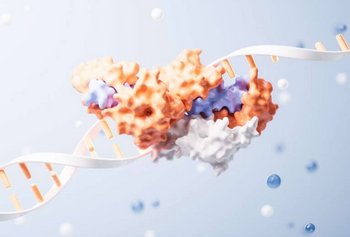
The work centers on MINDY3, a deubiquitinase enzyme, and reveals that it carries a distinctive EF-hand region that acts as a novel ubiquitin-binding domain. This EF-hand contains three binding surfaces that let MINDY3 recognize and cleave long polyubiquitin chains more efficiently, a key step in controlling protein fate inside cells. Crucially, the EF-hand of MINDY3 binds not only to ubiquitin chains but also to the UBL (ubiquitin-like) domains of RAD23A and RAD23B, proteins that help shuttle ubiquitylated cargo to the proteasome for degradation. This discovery links MINDY3 to the RAD23–proteasome axis, guiding MINDY3 to sites where DNA damage has occurred and suggesting a coordinated role in protein quality control during DNA repair processes. Sebastian Glatt, professor of systems genetics at Vetmeduni and group leader at the Małopolska Centre of Biotechnology (MCB) at the Jagiellonian University, sums up: "The key takeaway is that cells have intricate “quality-control” systems to manage damaged proteins and to repair DNA - our work uncovers a new piece of that complex molecular puzzle."

The article „The EF-hand domain of MINDY3 is a ubiquitin and RAD23 UBL-binding domain.” by Armstrong LA, McFarland MR, O'Dea R, Krutyholowa R, Gorka M, Carroll T, Glatt S and Kulathu Y. was published in EMBO Reports.


APART-USA Fellowship Program: Yulia Gonskikh joins Vetmeduni

Yulia Gonskikh has joined Vetmeduni as an APART USA fellow, bringing the precision and curiosity that systems genetics values. In University Professor Sebastian Glatt’s group at Vetmeduni’s Center for Biological Sciences, she will sharpen the “RNA lens,” exploring how molecular subtleties regulate when and how cells make proteins.

Her scientific journey started at Tomsk State University, followed by master’s and PhD studies at the University of Bern, and a 2020 postdoc at the University of Pennsylvania. Gonskikh investigates how the protein-synthesis machinery in cells is regulated and how errors in this process contribute to disease. She has focused on enzymes such as DIMT1 and NSUN2, which install chemical marks on RNA to control translation. With extensive teaching experience and a strong commitment to mentoring young scientists, she brings a robust didactic profile. Her work has earned multiple awards reflecting her combination of biochemical precision and focus on the central questions of translation.

Her move to Vetmeduni was enabled by APART USA, an Austrian Academy of Sciences fellowship program designed to retain postdoctoral researchers in Austrian institutions amid shifting U.S. research dynamics.

At Vetmeduni, Gonskikh collaborates with Glatt, a leader in RNA biochemistry and structural biology whose work spans basic research and clinical relevance. Her expertise in non-coding RNAs and RNA-modifying enzymes complements the team’s focus on rRNA and tRNA modifications, linking structure to function and advancing questions about how cells decide which proteins to produce. This move highlights Austria as a welcoming hub for excellent postdocs, strengthening RNA diagnostics, therapy, and systems genetics at Vetmeduni.


New CRISPR approach to controlling viral infections

An international research consortium with teams from Germany, France, the United States, and Poland, and with the involvement of Sebastian Glatt, Professor of Systems Genetics at the Vetmeduni, has uncovered an entirely new CRISPR-based defense mechanism in bacteria.The findings were published in the prestigious journal Nature.

tRNA as the virus’s Achilles’ heel

Instead of merely cleaving foreign genetic material, the newly identified CRISPR-Cas subtype Cas12a3 employs a surprising strategy: it recognizes viral RNA and, in response, triggers the precise trimming of the ends of its own tRNA molecules. This brings protein synthesis in the infected cell to a halt, stops viral replication, and thereby protects surrounding cells from further waves of infection. As a result, tRNA moves to the center of an evolutionarily conserved line of defense – an as-yet unknown dimension of the microbial immune system.

The team led by Sebastian Glatt, professor at the Center of Biological Sciences at the University of Veterinary Medicine Vienna and group leader at the Małopolska Centre of Biotechnology (MCB) of the Jagiellonian University, played a key role in the study. Andrzej Chramiec-Głąbik provided highly purified tRNA samples for structural and functional analyses, and Jakub Nowak carried out biophysical measurements of protein-RNA interactions. According to the researchers, the data show how Cas12a3 undergoes structural rearrangements to bind tRNA with exceptionally high affinity and reliably distinguish it from other RNAs. This work illustrates how a detailed understanding of naturally existing CRISPR mechanisms continue to open new perspectives for biotechnology – from designing diagnostic tools to controlling protein synthesis in specific eukaryotic cells,” says Sebastian Glatt.

The study expands the prevailing view of CRISPR systems: they can not only recognize and cleave viral genetic material but also intervene specifically in the host’s translation machinery – with tRNA as a central lever of regulation.

The article "RNA-triggered Cas12a3 cleaves tRNA tails to execute bacterial immunity” by Ole Dmytrenko et al. was published in Nature.


RNA Modifications Stabilize Ribosomes at Extreme Temperatures*

An international consortium of researchers with teams from teams in Israel, Germany, USA, France, Japan, China, Austria and Poland discovered that ribosomes of organisms thriving at extremely high temperatures maintain the structural integrity of their macromolecules through dynamic regulation of specific RNA modifications. The work was coordinated and led by Schraga Schwartz and Moran Shalev-Benami from the Weizmann Institute and recently published in Cell.

The team of Sebastian Glatt, professor for systems genetics at the Vetmeduni and group leader at the Małopolska Centre of Biotechnology of the Jagiellonian University, used their recently developed method, called DyRNA Thermometry, to confirm the effects that other teams of the consortium have seen in vivo using purified RNA components. This approach, developed by Jakbub Nowak, enables highly precise monitoring of conformational changes in RNA as a function of temperature and environmental conditions by exploiting temperature-dependent variations in fluorescence intensity. Using this method, the researchers demonstrated that chemical modifications of ribosomal RNAs, such as methylation (m⁵C) and acetylation (ac⁴C), act synergistically to enhance the stability of specific regions within the RNA. The discovery provides direct experimental evidence that local conformational stabilization through RNA modifications is a key mechanism for maintaining the structural and functional equilibrium of ribosomes at elevated temperatures.

Dr. Nowak explains: “The DyRNA Thermometry method allows direct measurement of RNA stability at a local scale, enabling us to trace how specific chemical modifications influence the structural equilibrium of RNA. This precision lets us detect subtle changes that are essential for preserving the molecule’s proper conformation. Dr. Glatt adds: “This is a clear example of how integrating biochemical, structural, and biophysical approaches helps us to understand how RNA preserves its function under extreme conditions. RNA modifications act as regulators of conformational stability, allowing the molecule to retain its correct architecture even under significant temperature fluctuations.”

The article "Pan-modification profiling facilitates a cross-evolutionary dissection of the thermoregulated ribosomal epitranscriptome" by Garcia-Campos M.A. et al. was published in Cell.


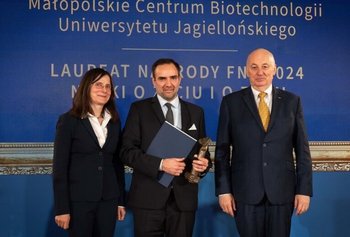
Sebastian Glatt accepted the FNP Prize (the “Polish Nobel Prize”) in Life Sciences

The prize recognizes his work on the structure and function of the Elongator complex, which influences the accuracy of protein synthesis. The prize, Poland’s premier science award, honors outstanding contributions that open new research avenues and bolster Poland’s international scientific standing. It is awarded annually in four categories: Life Sciences; Chemistry and Materials Science; Mathematical and Physical Sciences; and Humanities.

Glatt conducted his prize-winning work at the Małopolska Centre of Biotechnology (MCB) of Jagiellonian University in Kraków, where he led a Max Planck research group and served as institute scientific director. He also played a key role in founding the National Center for Cryo-Electron Microscopy at the SOLARIS synchrotron facility nearby.

In his lab, Glatt uses structural biology to understand core processes underpinning the production of cellular proteins. The Elongator complex makes small chemical modifications to transfer RNAs (tRNAs), which translate genetic information into proteins. Glatt notes that determining the atomic structures of these biomolecules reveals how the cellular translation machinery functions and how mutations affect enzymatic activity. This knowledge offers a basis for new diagnostic and therapeutic approaches to combat serious diseases.

The ceremony drew officials, scientists, families, colleagues, and friends. Attendees included Małgorzata Kidawa-Błońska, president of the Polish Senate; Austrian Ambassador to Poland Andreas Stadler; Austrian Consul General in Kraków Martin Gärtner; and Vetmeduni Rector Petra Winter.

Glatt has an ERC Consolidator Grant (2020) and is a member of EMBO. In October 2024, he joined Vetmeduni as Professor of System Genetics, pursuing molecular and structural mechanisms in tRNA biology that regulate translation and relate to many diseases.


Molecules Caught Red-Handed: Professor Sebastian Glatt in Profil

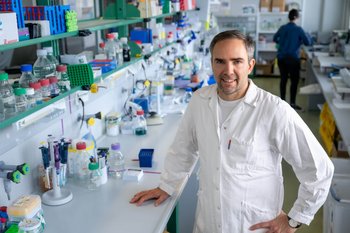
Sebastian Glatt, most recently head of the Max Planck research group at the Malopolska Centre of Biotechnology (MCB) in Kraków, has been at Vetmeduni since October. In an interview with VETMED Magazine, he discusses his RNA-centric perspective, the use of cryo-electron microscopy, and his plans.

When Glatt received an ERC Consolidator Grant at Jagiellonian University in 2020, he offered the following advice for young researchers: become independent and pursue your own research ideas. Your own ideas provide the necessary drive. To carry out the work, you need not only the idea but also the required technical expertise and a solid plan. ERC funding isn’t awarded for an idea alone; it requires substantial preliminary data showing that the most pressing questions are close to answers. Working with public funds requires a strong sense of responsibility, he emphasizes.

After 16 years abroad, the Viennese-born scientist returns to his hometown. A trained geneticist and molecular biologist, he beganjoined at Vetmeduni part-time in the fall semester 2024. From June 2025, he aims to start in Vienna, with preparations already underway. For him, family sets the pace: his young daughter will start school in Vienna, and his wife, a plant biotechnologist, is also seeking a suitable position. His career has carried him from leading a Max Planck research group of 35 people to science deputy director at the MCB, founder of Core Facilities and head of the national cryo-electron microscopy center, Young Scientist of the Year 2021 in Poland, to a professorship at Vetmeduni and, most recently, EMBO membership.


Vetmeduni Congratulates Sebastian Glatt on EMBO Membership

The European Molecular Biology Organization (EMBO) recently elected 100 new members and 20 associate members. Among them is Sebastian Glatt, who will assume a professorship in System Genetics at Vetmeduni in fall 2024. Vetmeduni congratulates its future professor on this prestigious recognition.

EMBO is a leading European organization promoting fundamental molecular biology research. It has more than 1,400 active members in Europe and 70 associate members worldwide. Membership is by invitation and selection, reflecting exceptional scientific contributions. EMBO welcomed the new members at its community meeting in Heidelberg at the end of October.

Glatt’s basic research focuses on uncovering the molecular and structural mechanisms in tRNA biology that regulate the translation machinery. Alterations in these central molecules play a significant role in the development of numerous diseases. The Vetmeduni is excited to welcome Glatt to Vienna, where he will continue exploring how translation is controlled at the molecular level and how dysregulation contributes to pathology.

This recognition highlights Glatt’s international standing and reinforces Vetmeduni’s commitment to cutting-edge research in systems genetics and RNA biology.