Springe zum Hauptinhalt Springe zur Navigation

PLFDoc 2023-2027

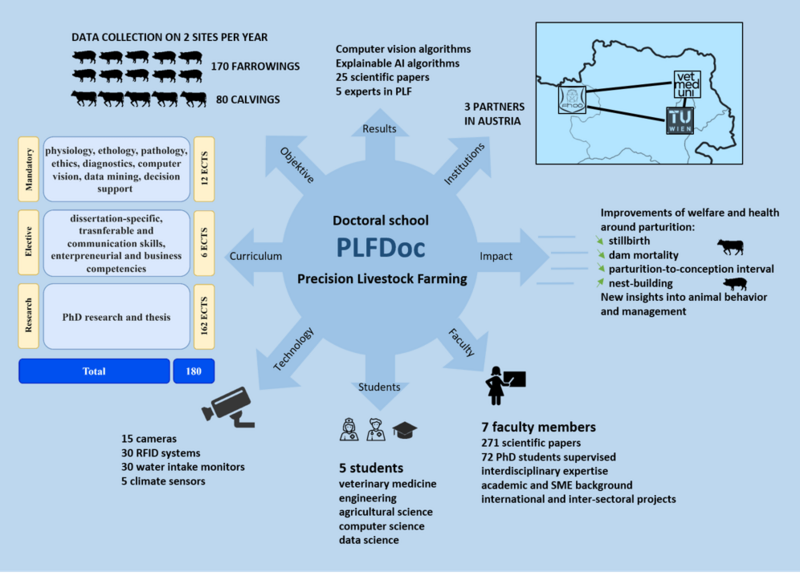
PLFDoc school https://www.vetmeduni.ac.at/plf-doc, funded by the Austrian Science Fund (FWF), aims to contribute to more sustainable production and animal welfare in agriculture in Austria and EU by applying modern data science techniques. PLFDoc school investigates application of computer vision (CV) technology for monitoring parturition in cows and pigs. Research focus within the PLFDoc is on application-oriented basic research, specifically on new methods of Explainable Artificial Intelligence (XAI), and CV for monitoring calving and farrowing. This will be a basis for development of new Precision Livestock Farming (PLF) management tools and intervention strategies in a period of parturition. The main aim of PLFDoc is to enhance animal welfare, e.g. through early detection of dystocia and preventing the death of newborns and their dams in this sensitive period and other health- and welfare-related risks. PLFDoc is a collaboration between Vetmeduni, Technical University Vienna and Univesrity of Applied Science Upper Austria.


DaFNE Digital: Real-time video analysis for monitoring calving and farrowing on farm 2024-2027

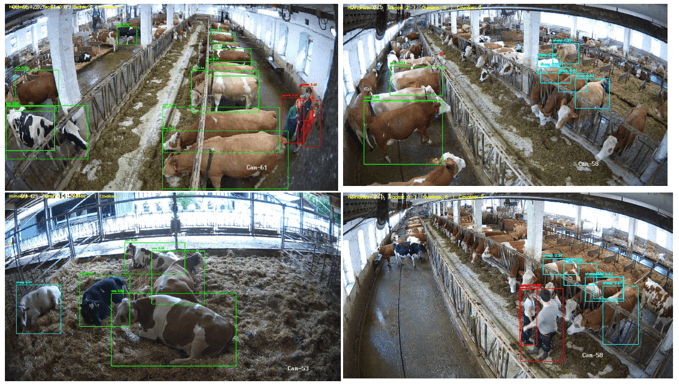
This project, funded by Austrian Ministry of Agriculture, is focused on moniotring of calving and farrowing with computer vision technology. Good birth management, with the aim of preventing offspring losses, is of great economic, ethical, and socio-political importance. Stillbirths and difficult births are among the most significant challenges in cattle and pig herds. Early detection of birthing problems, combined with appropriate assistance during calving, can help prevent offspring losses and protect the mother from injury and suffering. The development of a valid, sensor-based birth monitoring system allows for optimal preparation of the mothers for calving and, for example, minimizes the time sows are confined in gestation crates. After testing and optimizing the non-invasive, video-based birth monitoring system, the implementation of this technology on family farms and farms with contract workers is planned.  

European Network on Livestock Phenomics (EU-LI-PHE) 2023-2027

EU-LI-PHE https://eu-li-phe.eu/ is a COST action funded by EU focused on the topic of livestock phenomics, which represents the ensemble of methodologies and technologies for the acquisition, analysis, and exploitation of high-dimensional phenotypic data (including both physical and molecular phenotypes) on target livestock species. The Action will foster the development, integration, organization, and practical implementation of technologies, tools, methods, approaches, models, expertise, and resources useful to scan and interpret the animal phenome. Doing so will pave the way for novel scientific knowledge and applications in the livestock production sectors.

Animal Welfare Indicators at the Slaughterhouse (aWISH) 2022-2026

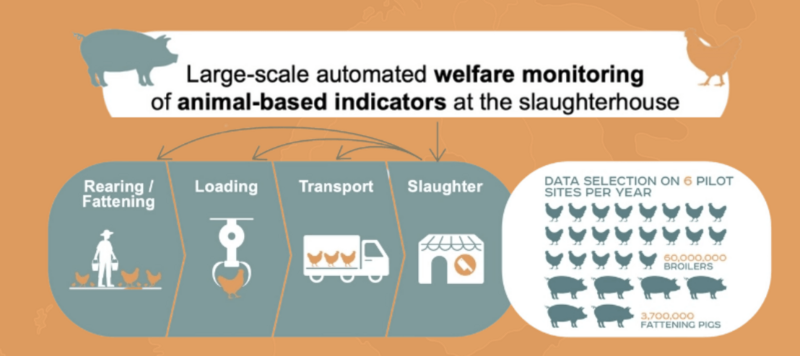
The main objective of aWISH https://www.awish-project.eu/, an EU founded project, is to develop and offer the capacity to evaluate and improve the welfare of meat producing livestock throughout Europe via automated monitoring of animal-based welfare indicators at the slaughterhouse in order to give feedback and advice on best practices to those responsible for the various stages of production (farmer, catching team, transporter, slaughterhouse). This approach will be developed and evaluated in close collaboration with all actors involved, from primary producers up to policy makers and citizens.


Feedura 2022-2025

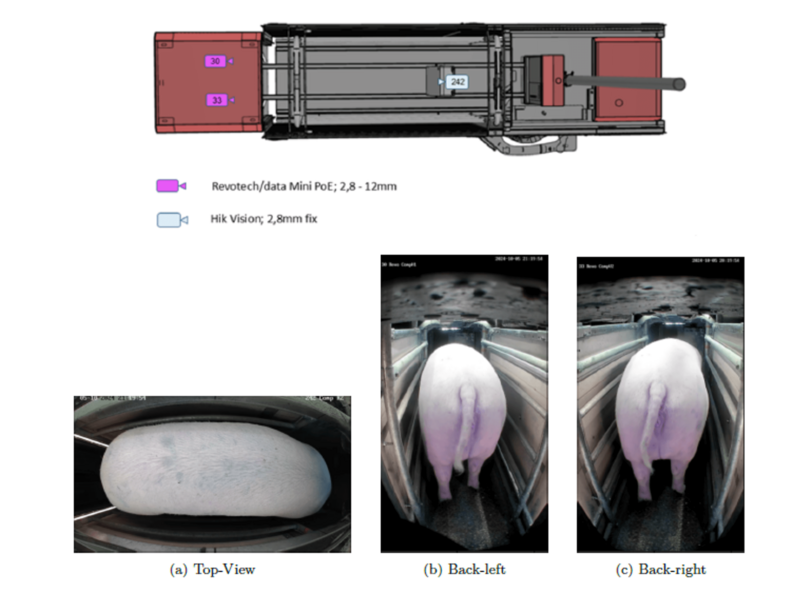
The project funded by Austrian Research Promotion Agency (FFG) and commercial partner Schauer focuses on automated estimation of weight and body measurments of gestation sows to derive Body Condition Score and further enable precision feeding based on individual nutrition needs. Body measurments and weight are estimated for indiviodual animals on the basis of images recorded by several cameras installed in an autoamted feeding station. Indivioduals are identified with an RFID system.

Machine Perception for PLF 2021-2024

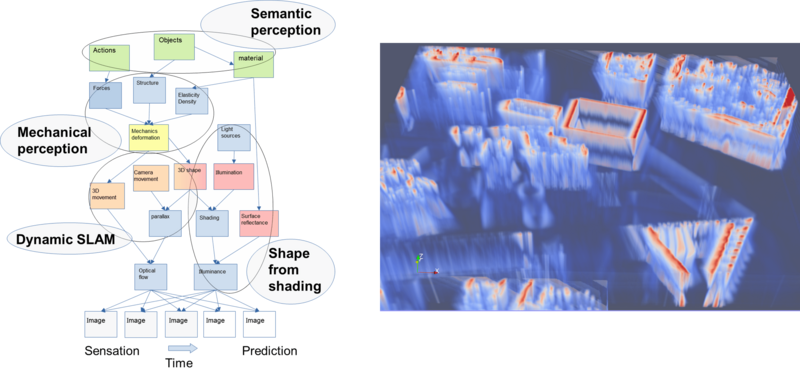
The Project funded by our industry partner Zoetis aims to develop software, algorithms and methods for automated monitoring and optimal management of livestock farming that is transferable to diverse production systems with minimal retraining. Optimal management is defined as the best possible use of the available resources for the objectives set by the farmer, given the available information. The Project seeks to achieve explainable optimal inference from the available data, (particularly the existing herd management data, feed analysis, environmental sensors and sensors on cows), and from additional robust low-cost sensors including but not limited to video.

Pain detection in horses 2021-2024

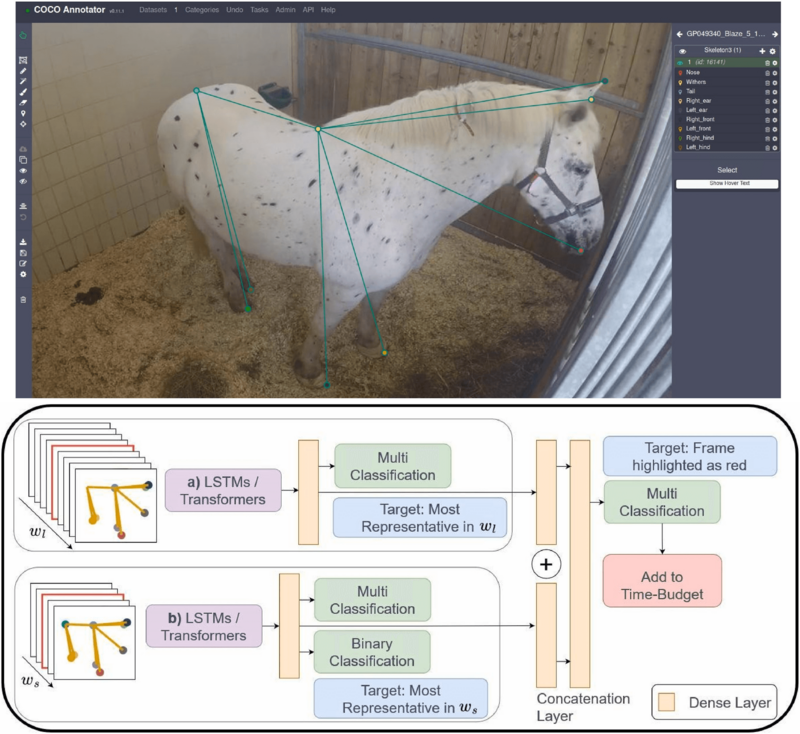
This proejct funded by Vetmeduni focuses on classification of pain in horses based on automatically detected behavoioural chenges. Specifically it focuses on the behavioural time budget of a horse consists i.e. amount of time of the activities such as feeding, resting, lying, and moving, which are important indicators of welfare and can be a basis of pain detection. Video technology offers a non-invasive and continuous monitoring approach for automated detection of horse behaviours. This project proposes a multi-input, multi-output classification methodology to address the challenges of accurately detecting and classifying horse behaviours. The results demonstrate that the multi-input and multi-output Transformer model achieves the best performance in behaviour classification compared with single input and single output strategy. The proposed methodology provides a basis for detecting changes in behaviour time budgets related to pain and discomfort in horses, which can be valuable for monitoring and treating horse health problems.

Figures from https://doi.org/10.1016/j.biosystemseng.2024.04.014  

PigWatch 2014 - 2017

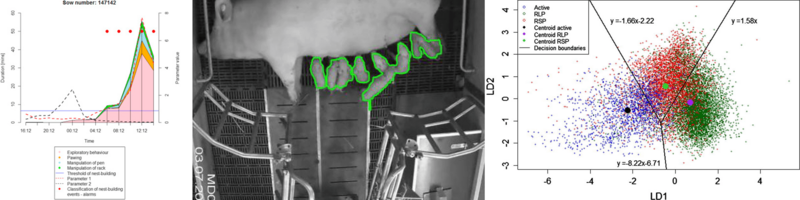
The objective of the PigWatch project, which was funded by the Provincial Government of Lower Austria was tri-fold i.e. to develop an automated monitoring technique for detection of nest-building behaviour in sows, to develop an automated monitoring technique for detection of postural behaviour of sows, both based on ear-tag accelermoter data and finally to monitor the farrowing process by counting piglets in 2D images. On-farm application of the developed system would give the possibility to keep sows unconfined (not in crates) until the end of nest-building period. Thus, crating of individual sows could be limited to the first few days after farrowing when the risk of piglet crushing is high. This would improve welfare of sows, without an increase in piglet mortality and without extra labour demand for observation. 

Figures from https://doi.org/10.1016/j.biosystemseng.2016.08.018 https://doi.org/10.1016/j.biosystemseng.2015.09.007 https://doi.org/10.1016/j.compag.2016.06.013