- vet4reg /
- Program preview

Special: Lifetime career talk

Lifetime career talk by Roger Smith, Professor of Equine Orthopaedics, Royal Veterinary College London, UK
Be inspired by the clinician-scientist, PI of numerous competitive grants, author of more than 150 peer-reviewed publications and founding director of the VetCell spin-out, who pioneered veterinary regenerative medicine - starting with the first-in-world mesenchymal stem cell therapy for equine tendinopathy.
Invited speakers & Outside-the-box talks
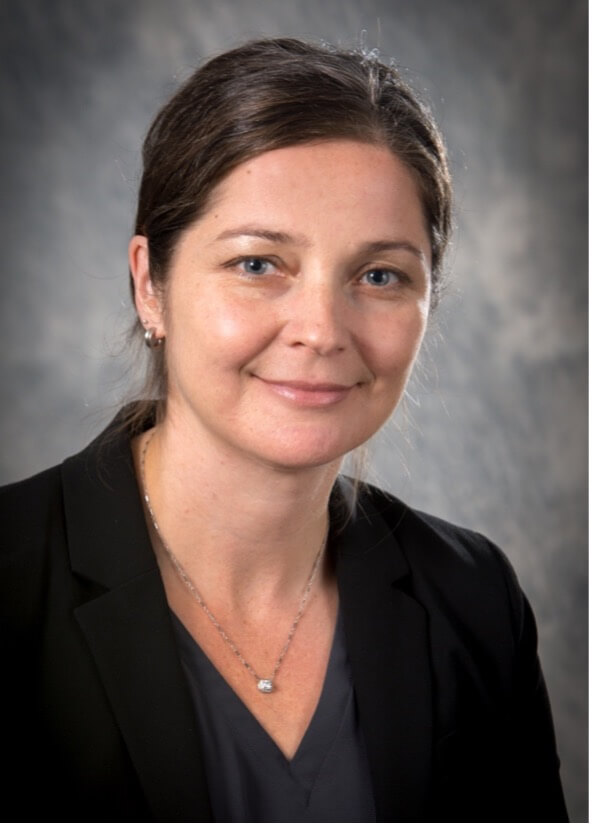
Mitochondrial Transfer in Avascular Niches: New Strategies for Articular Cartilage Regeneration
Articular cartilage has an extremely limited capacity for repair, in part because it exists within an avascular environment where nutrient delivery, cellular turnover, and tissue regeneration are inherently constrained. Emerging evidence suggests that mitochondrial plasticity—including intercellular mitochondrial transfer—may represent a previously unrecognized means by which orthopedic cell types respond to injury, maintain tissue homeostasis, and promote repair. This talk will explore the evolving understanding of mitochondrial transfer in cartilage resilience, examine new evidence related to the cellular processes involved, and discuss how these discoveries are challenging conventional paradigms in regenerative medicine — including mechanisms underlying cell-based therapies. By integrating advances in comparative orthopedics, mechanobiology, and mitochondrial research, we will highlight how this under-explored area of cell biology may reshape strategies for regenerative medicine in both veterinary and human patients.

Rethinking MSC Culture: 3D Approaches for Isolation, Expansion, and Microtissue Formation
Mesenchymal stem cells hold tremendous promise for regenerative medicine and in vitro disease modeling, yet conventional 2D culture systems often fail to preserve their identity and potency. This talk introduces innovative 3D culture concepts that recreate a biomimetic environment for MSC isolation, expansion, and differentiation, with encapsulation strategies as a central tool. From alternative isolation approaches to the formation of defined microtissues, we explore how thinking in 3D can change the way we culture and utilize MSCs.
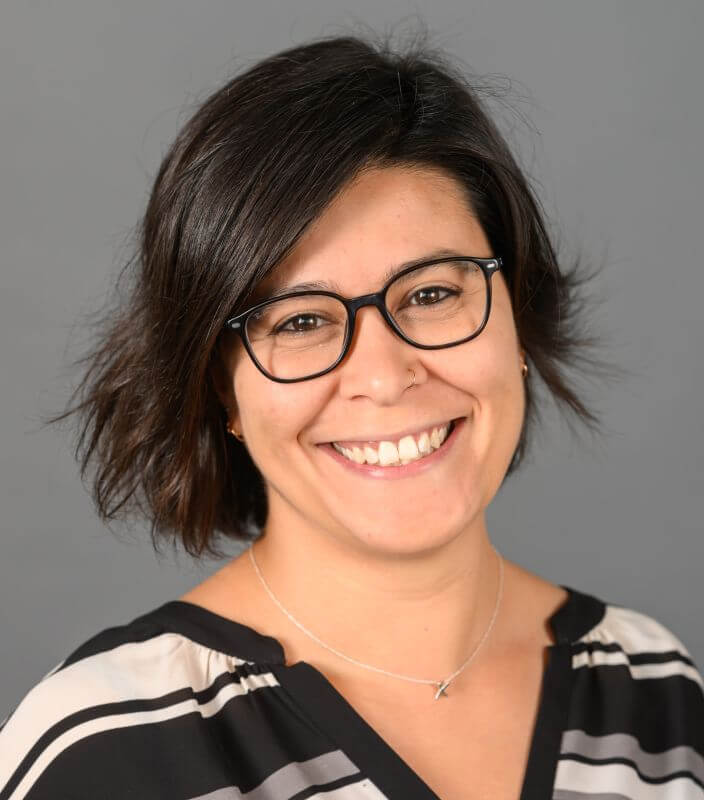
Gastrointestinal fibroblasts in homeostasis and cancer
Fibroblasts are a fundamental component of every tissue and organ. Beyond their structural functions, they serve as signaling hubs within the tissue microenvironment, integrating and transmitting signals from neighboring cells. As long-lived tissue residents, they preserve local architecture and can rapidly activate in response to injury or inflammation. This talk will explore the role of resident fibroblasts in maintaining the homeostasis of the gastrointestinal tract and their activation in tumor development, shaping microenvironments that influence disease progression.

MIPO, Minimal Information for Publication of Establishment of Novel Non-Human or Non-Rodent Organoids
Organoids are promising in vitro culture systems that replicate in vivo functionality and as such will be instrumental to reduce the use of animals in biomedical research. Organoids have been described from multiple non-model species and tissue origins together with species-to-species differences. However, variability in reporting methods for establishing organoids from diverse non-human, non-rodent species hampers reproducibility and independent validation. Lack of reproducibility may thus prevent full exploitation of the in vitro potential of animal organoids. Here we propose a set of practical guidelines towards standardization of reported data on organoids for the benefit of both researchers and reviewers working with non-human non-rodent species.

Designing Biomaterials from a Cellular Perspective: Cell Diversity and In Vitro Tissue Models
Dr. De Schauwer is head of the Veterinary Stem Cell Research Unit. Her current work explores bovine mesenchymal stem cells (MSCs) for cultured meat production and equine MSCs for treating orthopedic injuries using biomimetic in vitro models. With experience across species and cell sources, she combines her veterinary background with interdisciplinary collaborations in biomaterials, tissue engineering, and clinical orthopedics to advance MSC-based therapies from bench to bedside.
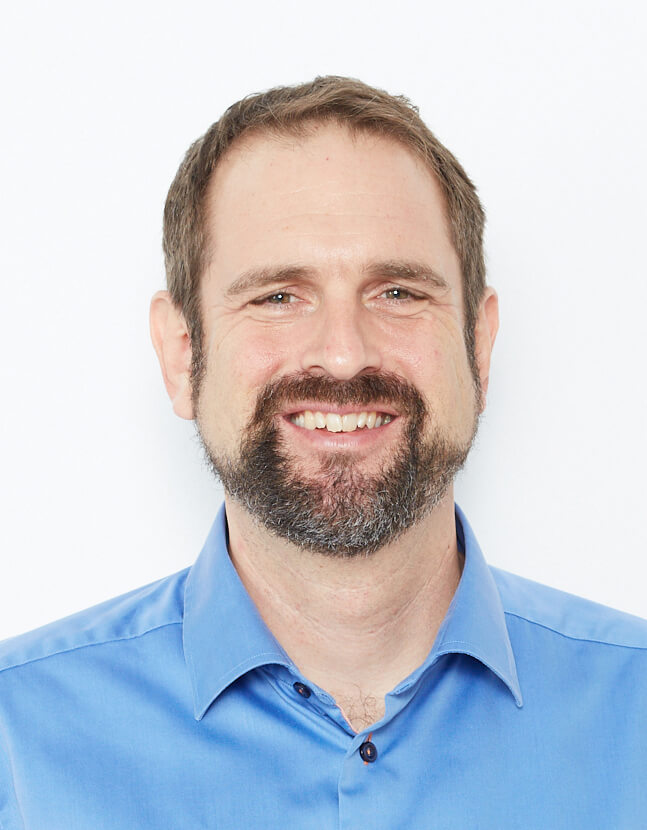
Collagen Mechanics in Health and Disease
Collagen provides passive mechanical function to a multitude of tissues all having different requirements for mechanical function. This talk will explore how is this achieved, i.e. how are the mechanical properties of collagens and collagen fibrils specified? In addition, mechanical competence can be affected by age and disease-related changes, which not only delivers diagnostic but also treatment targets. How can we identify the structural and compositional context of mechanical alterations? The talk will deliver insights into these questions and point out challenges arising.

The potential of stem cell secretome and induced pluripotent stem cells in veterinary regenerative medicine
The stem cell secretome is defined as the global group of bioactive factors secreted by stem cells that regulates a variety of biological and physiological process, thus making it a clinically relevant biologic for the treatment of various diseases affecting companion animals. In addition, the use of induced pluripotent stem cells (iPSCs), especially when reprogrammed using integration-free methods, is gaining increased attention in veterinary regenerative medicine. This talk will present specific examples related to both topics that are currently being explored in the Van de Walle lab.
Early-career special
Become a slam star!

Social events
Wednesday evening:
Welcome party @ Vetmeduni with science slam & music - signature drink sponsored by Orthogen -
Thursday morning:
Vienna Spanish Riding School morning training visit:
https://www.srs.at/en/tickets/morning-exercise
Thursday evening:
Danube cruise with Viennese wine and music:
https://ddsg-blue-danube.at/heurigen-cruise-with-viennese-songs/?lang=en
Preliminary schedule

Vet training credits:
Veterinary continuing education credits will be confirmed (Austrian Veterinary Chamber).