- Home /
- University /
- Infoservice /
- News /
- Research up close: An evening in the VetmedUNIverse
University
Research up close: An evening in the VetmedUNIverse
Vetmeduni captivated visitors at the 2026 Long Night of Research
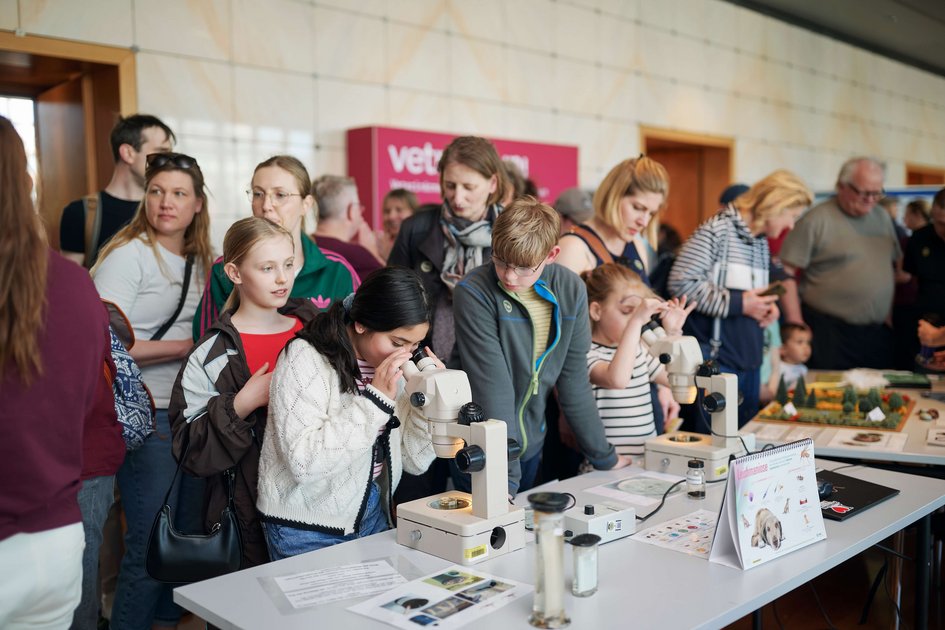
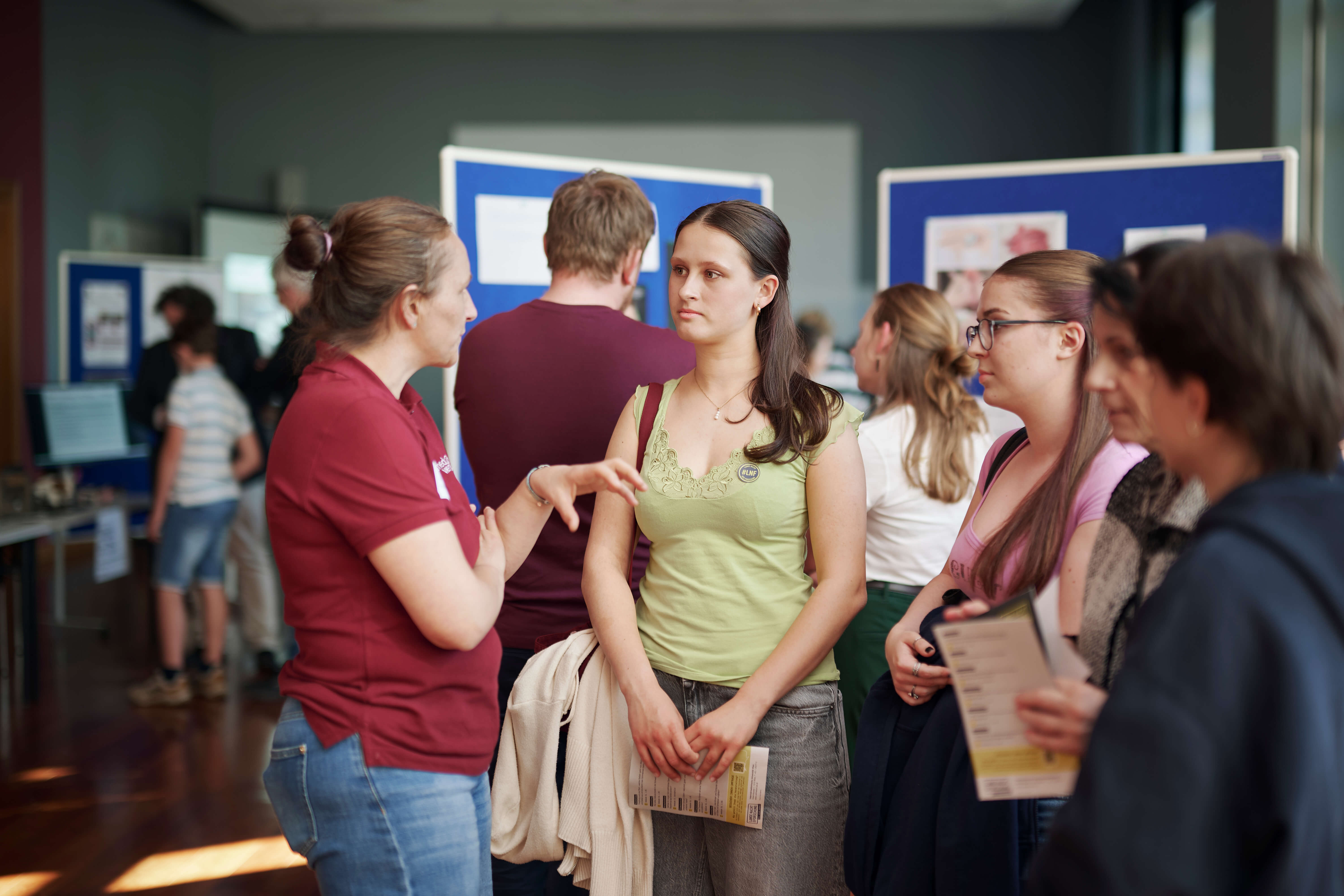
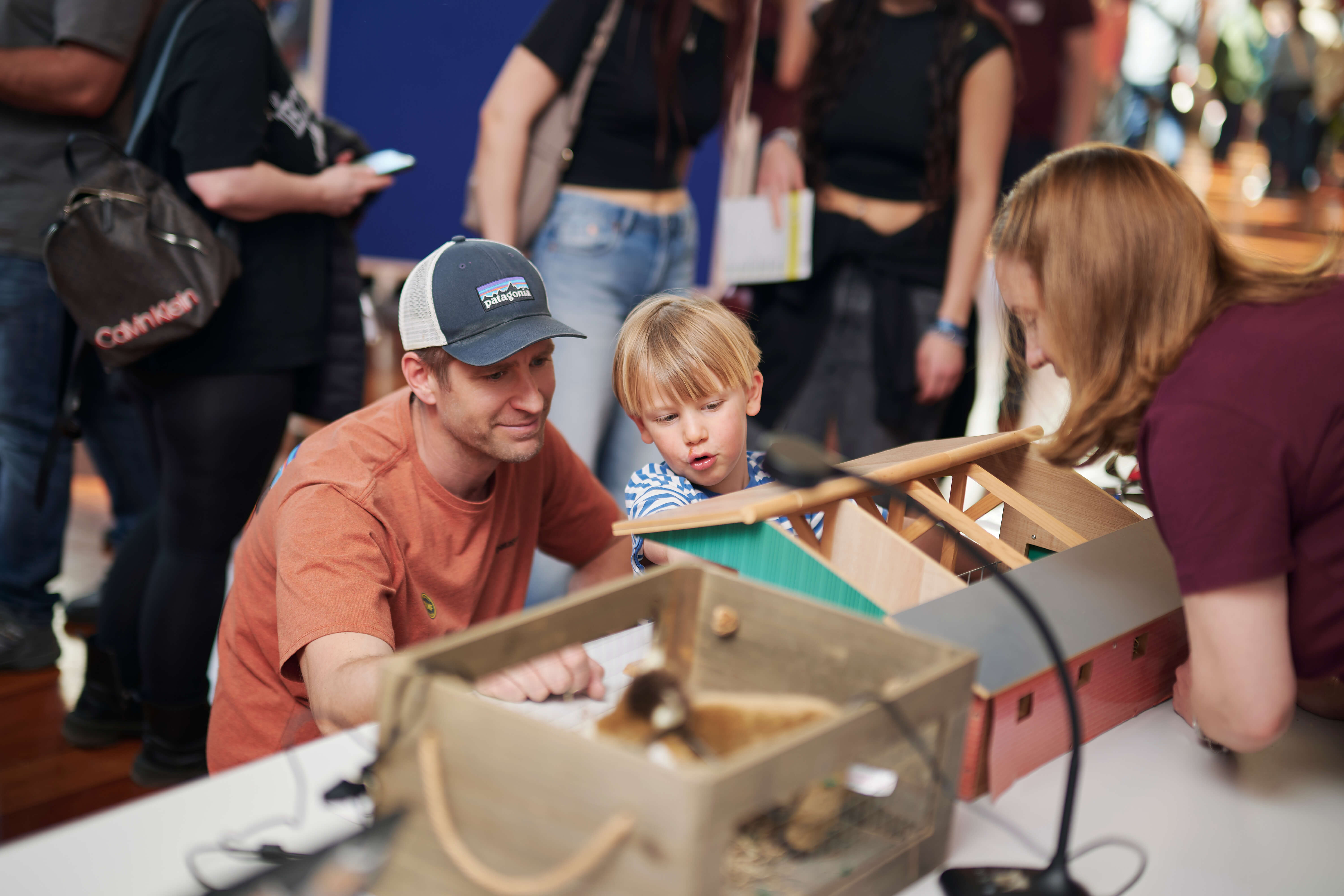
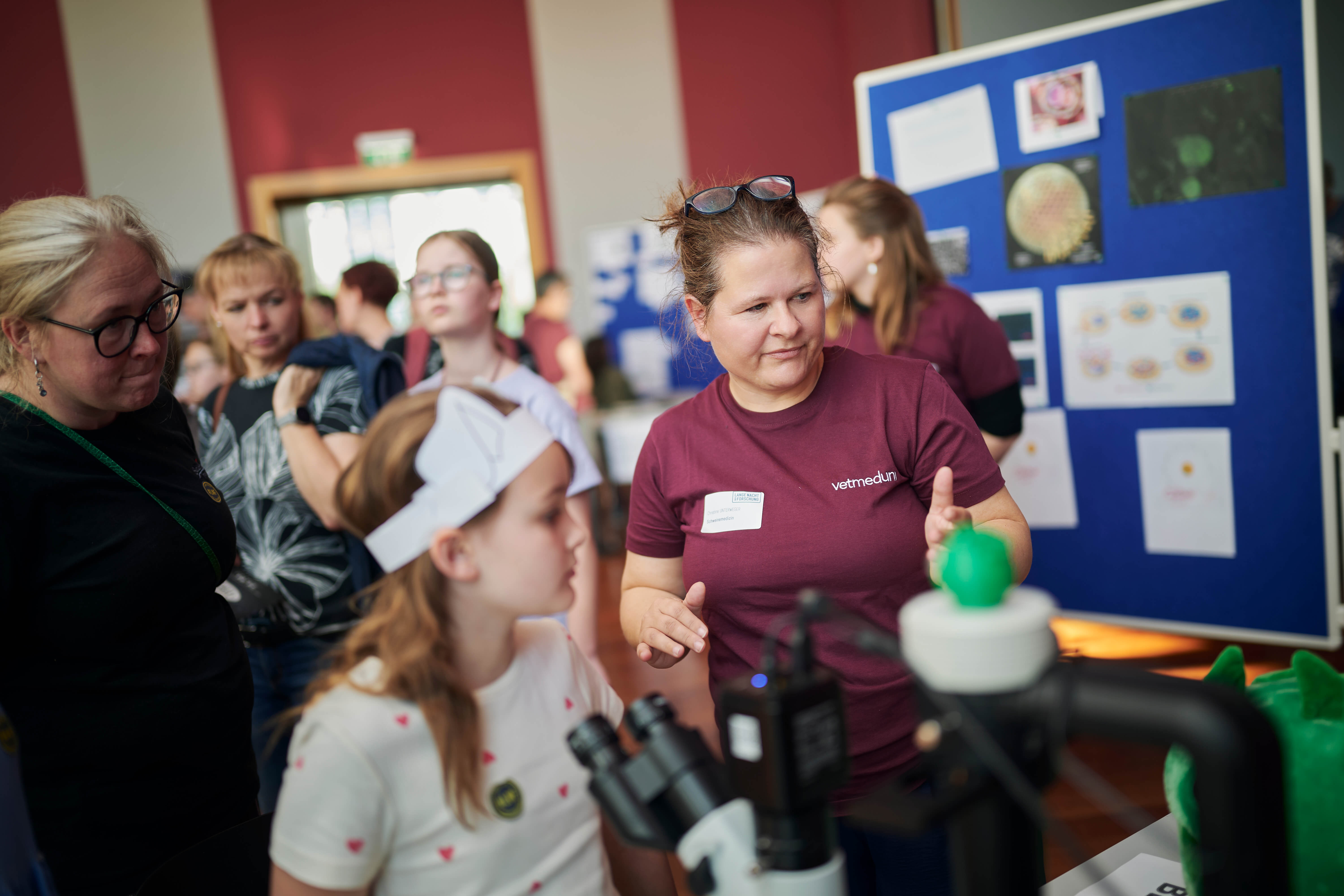
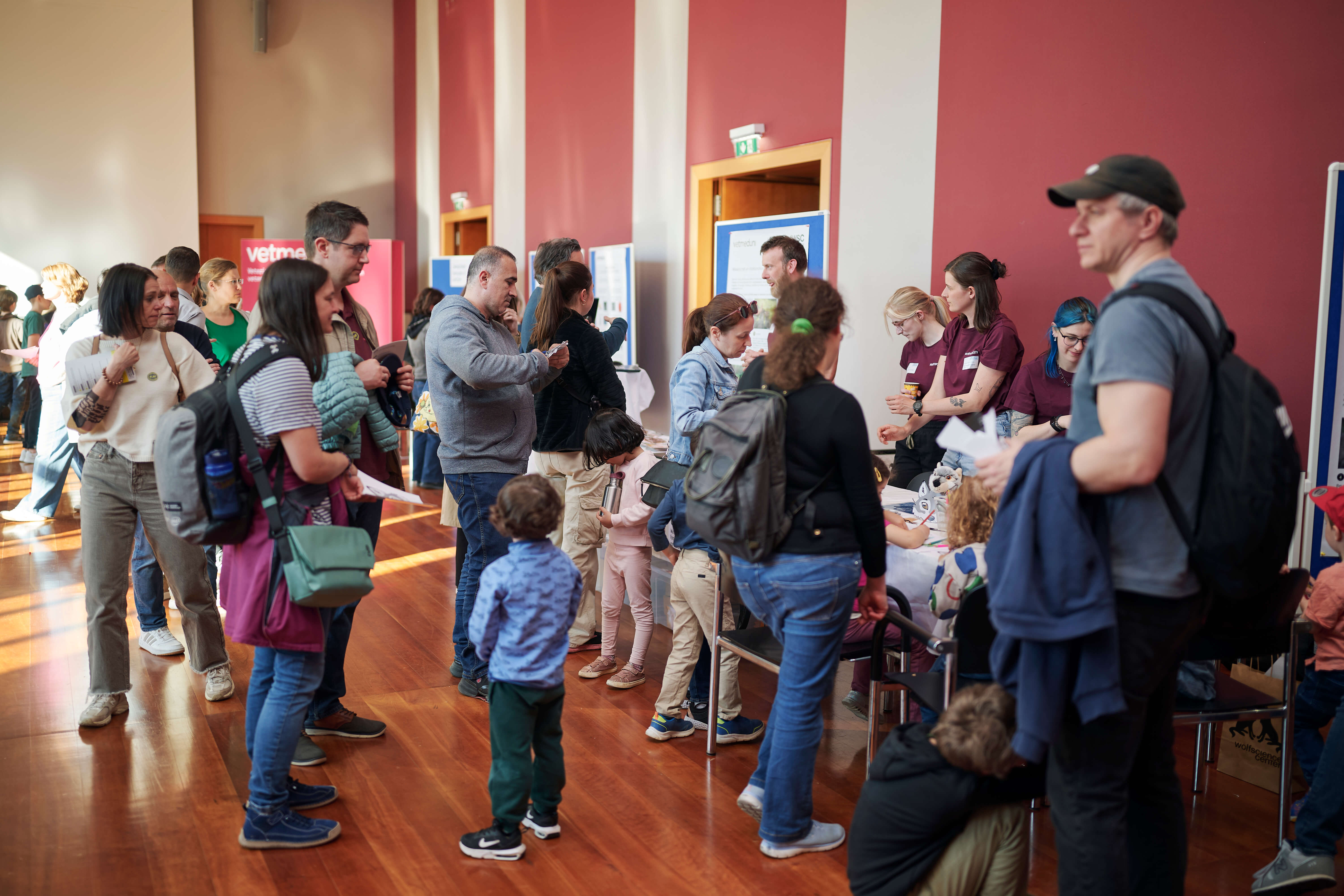
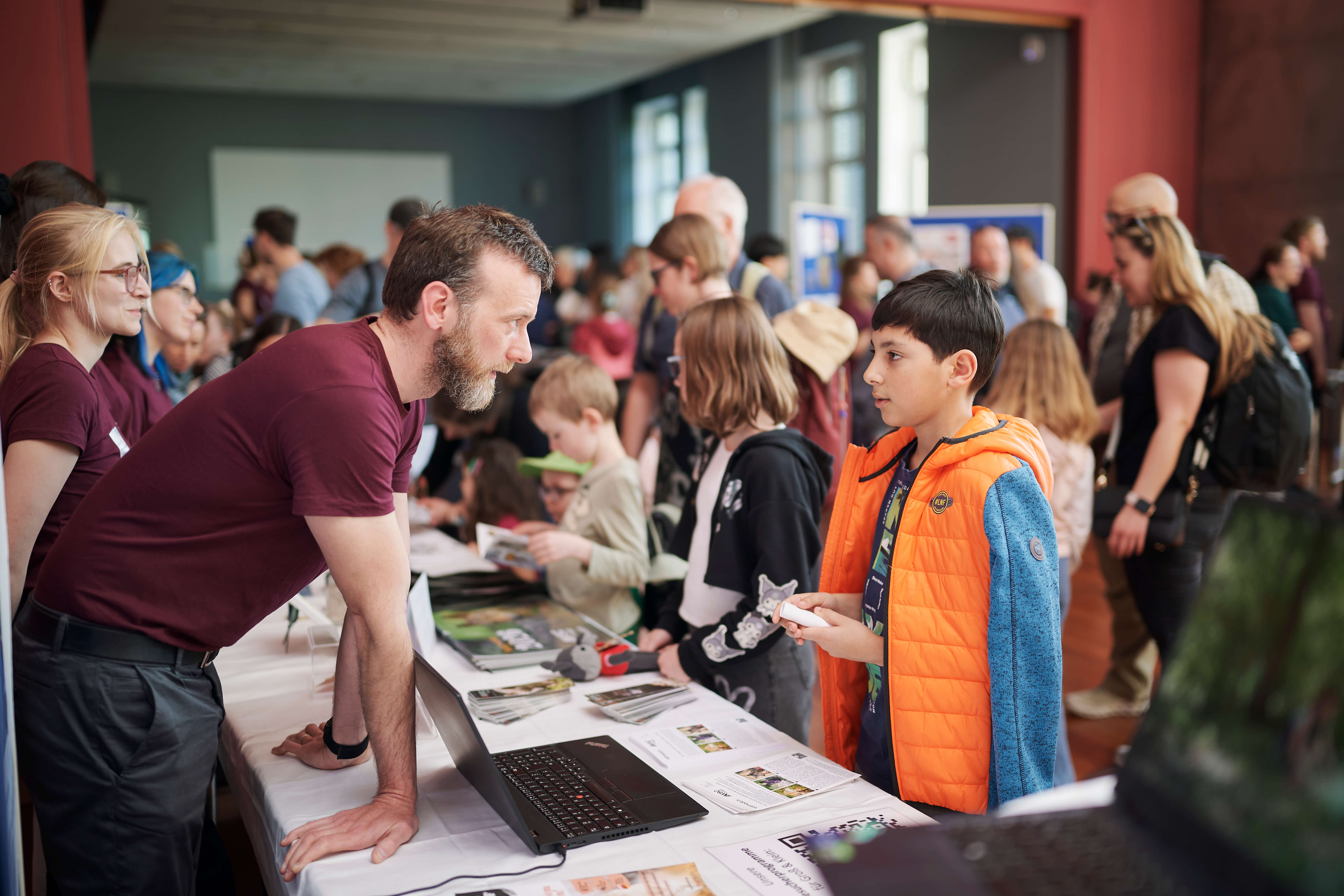
A mild April evening, an open campus, and many “aha” moments: On Friday, April 24. 2026, the University of Veterinary Medicine, Vienna invited the public to the Long Night of Research. More than 15 stations made science tangible and tellable. The turnout was strong: a total of 1,200 curious visitors came to the Vetmeduni campus.
Hands-on science
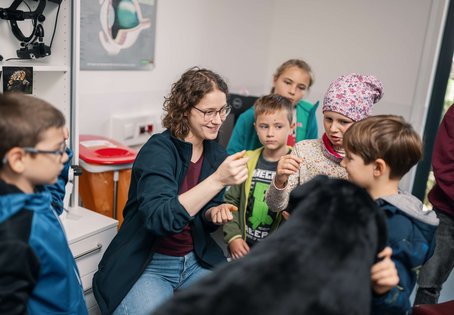
Anyone curious to see lungs, hearts, and bones up close, to learn how animal diseases are detected, or to explore what dogs and wolves think and feel, got answers straight from the source. Among other highlights, the Wolf Science Center offered insights into the work of the Core Facility, showcasing how the hidden world of dogs and wolves is studied - from behavioral testing to cognition. At the quiz “Tierisch gut verbunden” (“Animal Connections”), visitors could discover fascinating facts about human–animal relationships in a playful way.
Concise, accessible explanations showed how microplastics enter our bodies and what questions they raise for human and animal health. “Crime Scene: Animal Disease” focused on identifying and containing outbreaks - a realistic look at prevention and crisis management.
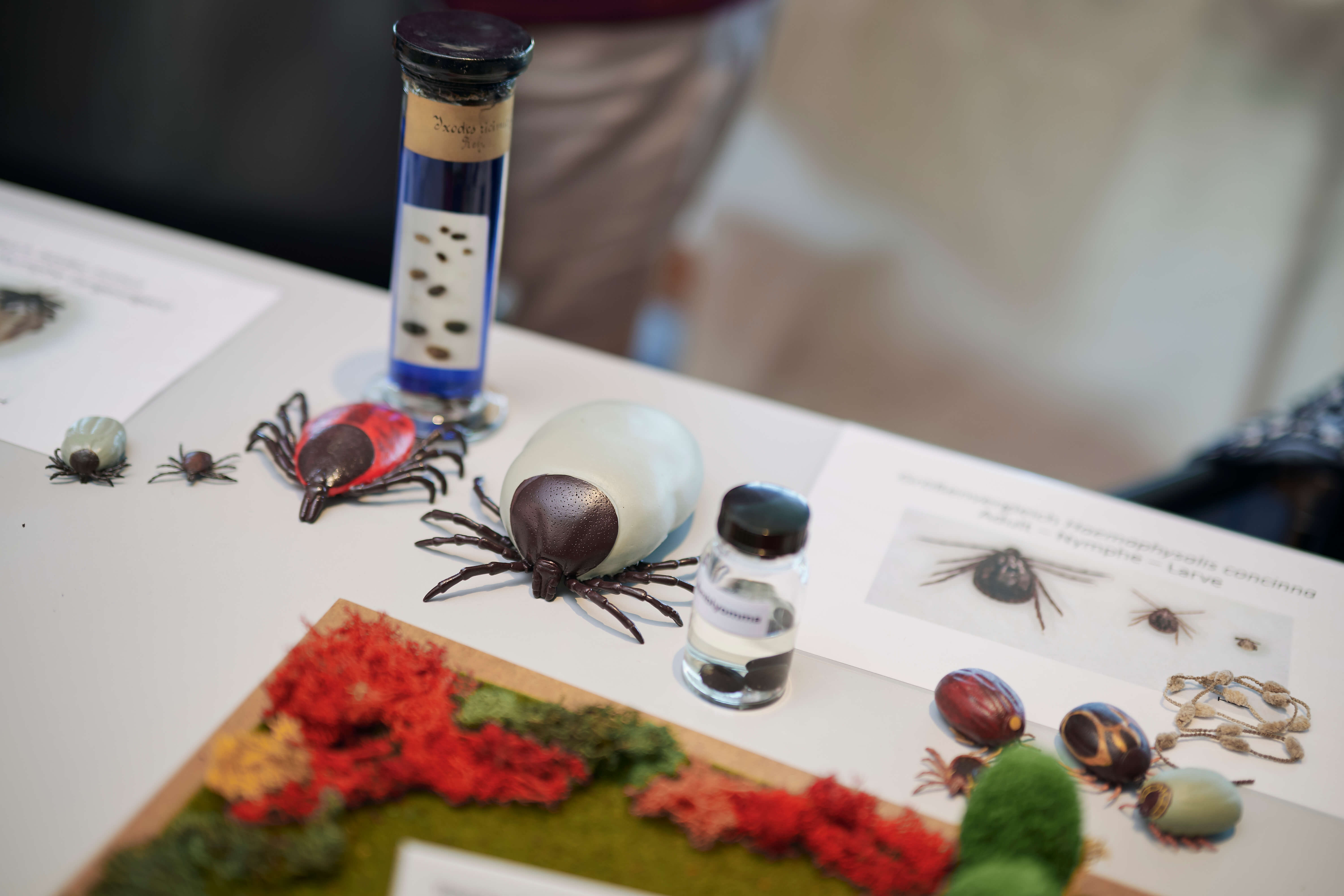
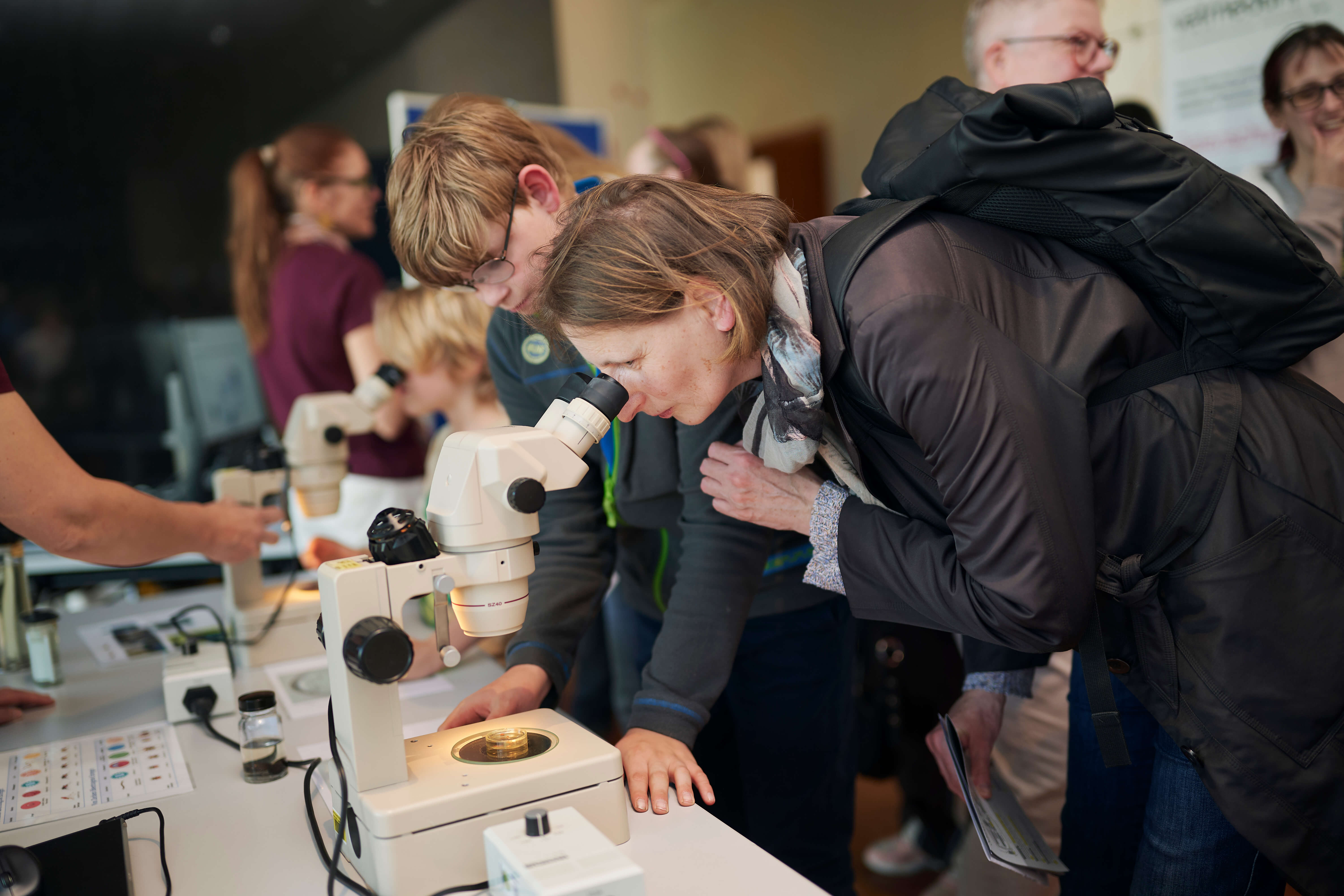
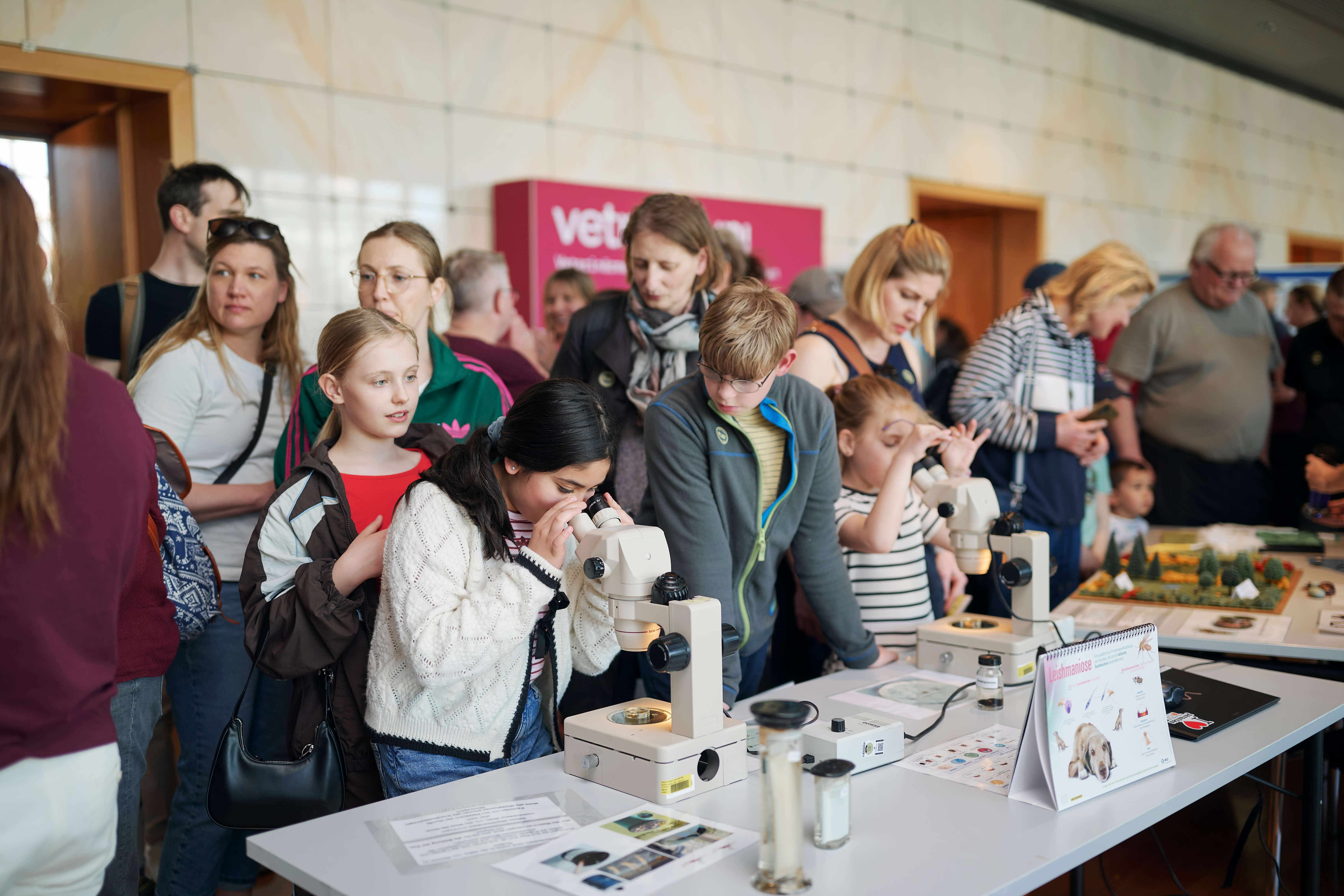
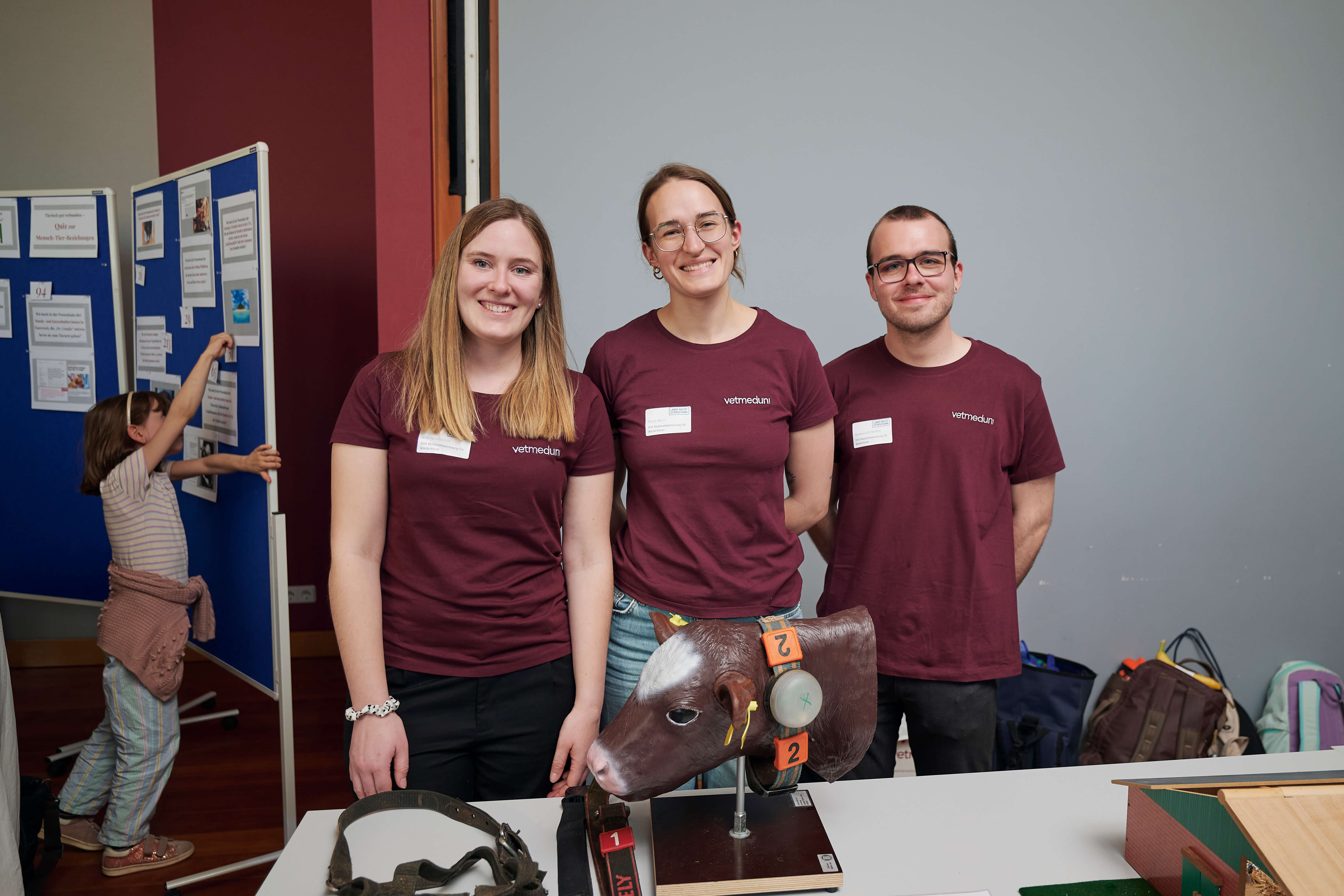
Modern imaging made visible the advances driving diagnostics and education. In livestock research, digital tools revealed what computers can tell us about the behavior of cows and pigs. Around the horse, the spotlight was on ticks, mosquitoes, and pain recognition; in swine medicine, researchers explained how cell culture models are opening up new avenues. “Frozen for Tomorrow” illustrated how optimized semen banking supports the conservation of the Noriker breed.
Campus tours of Vetmeduni’s two museums were also major crowd-pullers: The Anatomy Museum offered a concise journey from the skeleton to detailed wet and dry specimens, vividly demonstrating how form and function interact. The Museum of Veterinary Pathology impressed with its collection - from elephants to chickens - showcasing common and rare disease patterns and underscoring why pathological findings are indispensable for research, teaching, and animal health.
A presence across Austria
Vetmeduni also took part beyond the campus: At IFA in Tulln, FFoQSI (Austrian Competence Centre for Feed and Food Quality, Safety and Innovation) presented research projects on the safety of milk and dairy products, among other topics. At ISTA in Gugging, experts from the Research Institute of Wildlife Ecology explained, for example, how pathological and genetic analyses can help determine an animal’s cause of death. At the Biological Station Lake Neusiedl in Illmitz, Vetmeduni scientists provided insights into mosquito monitoring, scientific fish sampling, and greenhouse gases in reed beds.
Even before the lights went out, one thing was clear: curiosity remains the best compass. At the Long Night of Research, Vetmeduni demonstrated just how diverse and relevant veterinary research is.
Our heartfelt thanks go to our researchers and staff, who shared their expertise with great dedication with children, young people, and adults alike. Your commitment made the event a resounding success!
all Photos: Thomas Suchanek/Vetmeduni