- Home /
- University /
- Infoservice /
- News /
- Day of Immunology: Viennese T-Cell Research in Pigs Takes Center Stage
Research
Day of Immunology: Viennese T-Cell Research in Pigs Takes Center Stage
Viennese T-Cell Research in Pigs Writes a One-Health Success Story for Humans and Animals
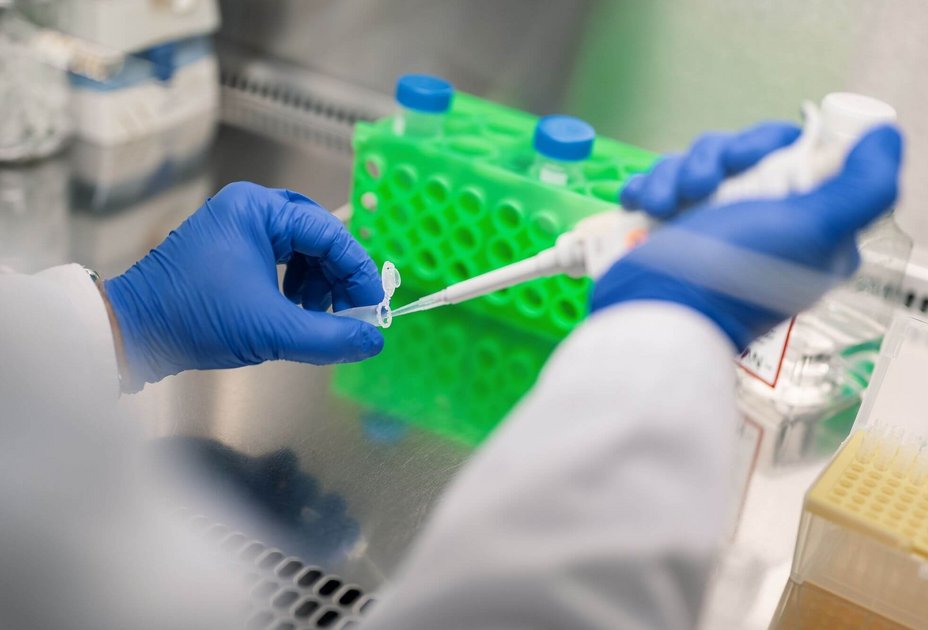
Regulatory T cells (Tregs) maintain the immune system's balance. For many years, the research group led by Tobias Käser at the University of Veterinary Medicine Vienna has focused on deciphering the biology and function of Tregs in pigs. The insights gained from this research continue to drive vaccine development for humans and animals, contribute to disease prevention, and play a significant role in global food security - such as combating widespread swine diseases like PRRS.
Translational Treg Research: Bridging Veterinary and Human Medicine
Building on the understanding that regulatory T cells (Tregs) play a central role in controlling immune responses in humans and mice, the immunology team at Vetmeduni (Institute Head: Armin Saalmüller; Project Lead: Tobias Käser) applied this approach to pigs. The researchers demonstrated that the same T cells responsible for regulatory functions in humans also perform this role in pigs. These Tregs suppress excessive immune responses by selectively inhibiting other immune cells - for example, through the release of anti-inflammatory signaling molecules like IL-10. This discovery significantly advanced the understanding of regulatory T cells in pigs and reinforced their importance as a model for human medicine.
Focus on Chlamydia: Sexually Transmitted Diseases in Humans and Animals
Equipped with their newly developed immunological tools, the researchers used the pig model to address critical challenges in human health. Next, they investigated Chlamydia trachomatis (Ct), the most common bacterial sexually transmitted infection worldwide, which can lead to severe reproductive complications. "Since pigs are naturally infected with a very similar pathogen, Chlamydia suis (Cs), they serve as an ideal model for evaluating human vaccine candidates," Käser explains. "We demonstrated that both Cs and Ct elicit a strong, cross-reactive T-cell response in pigs—particularly Th1 cells, which produce the inflammation-regulating cytokine IFN-γ (interferon-gamma), essential for combating Chlamydia trachomatis." This critical understanding of the T-cell response paved the way for testing novel vaccines, including a highly immunogenic CPAF protein vaccine candidate, which shows great promise for human application due to its strong immunogenicity.
Immunological Insights for Improved PRRSV Vaccines
The findings on T-cell biology and vaccine development at Vetmeduni were subsequently applied to combat the porcine reproductive and respiratory syndrome virus (PRRSV) - a globally prevalent swine disease with significant economic and animal welfare implications. In several studies, Tobias Käser's team examined how the immune system responds to different PRRSV strains and vaccination strategies. Among other findings, they discovered that newer virus variants can surprisingly induce neutralizing antibodies rapidly and that specific T-cell responses are closely linked to reductions in viral load. Building on this, the researchers identified immunological "correlates of protection" - the combination of T-cell responses and antibodies essential for effective protection. These insights directly contributed to the advancement of vaccination strategies: for instance, it was shown that combining live and inactivated vaccines in sows triggers particularly specific immune responses and transfers improved protection to newborn piglets. Overall, this research provides critical foundations for developing more effective PRRSV vaccines, contributing to improved food security while strengthening the role of pigs as a model in translational infectious disease research.