- Home /
- University /
- Infoservice /
- Press Releases /
- New CD laboratory for research into pathogenic bacteria opened at the Vetmeduni
Research
New CD laboratory for research into pathogenic bacteria opened at the Vetmeduni
The new Christian Doppler (CD) Laboratory opened today at the University of Veterinary Medicine, Vienna (Vetmeduni) is dedicated to a highly topical issue in the field of food safety: research into harmful bacteria that are in a difficult-to-detect and highly resistant dormant state. The CD Laboratory for the Detection and Reduction of Dormant Bacteria aims to improve the safety of our food and thus make an important contribution to public health. The new CD Laboratory is funded by the Federal Ministry for Economic Affairs, Energy and Tourism (BMWET).
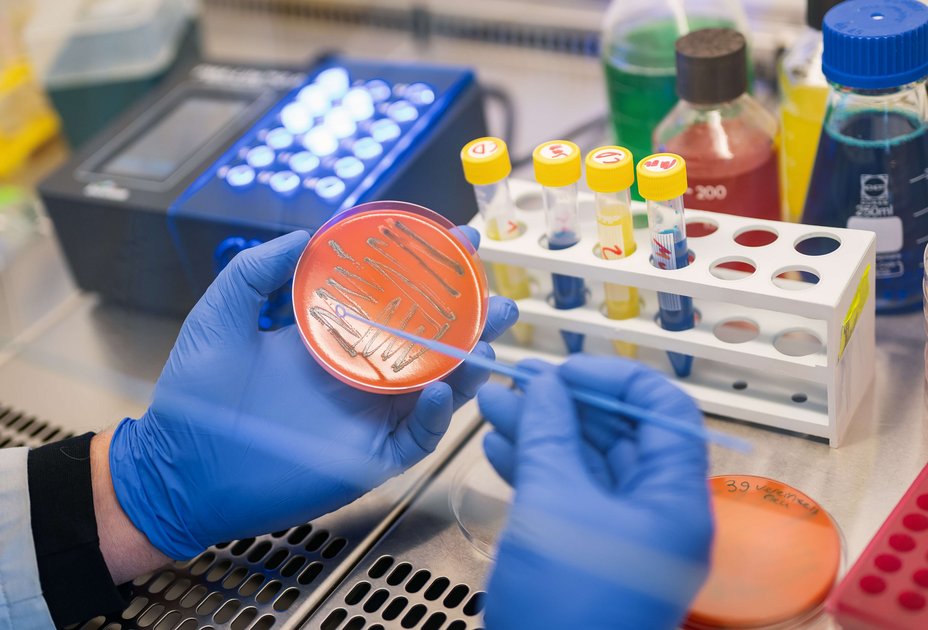
Foodborne infections pose a major challenge to public health worldwide. According to the World Health Organisation (WHO), millions of people across Europe fall ill every year from infected food, often with fatal consequences. The best known of these pathogens are salmonella, listeria, campylobacter and noroviruses. Despite modern hygiene standards, the risk of disease transmission remains, as many bacteria can switch to a highly resistant "viable but non-culturable" (VBNC) state. In this kind of "dormant state", they cannot be detected using conventional methods, but are resistant to antibiotics and disinfectants, which makes them more difficult to combat.
A new CD laboratory was opened today at the Vetmeduni, where scientists will be investigating the VBNC state of bacteria over the coming years and developing solutions to minimise the associated risks. Corporate partners of the new CD laboratory are Vivatis, Evonik and San group.
Ministry of Economic Affairs supports innovative research into food safety
The new Christian Doppler Laboratory is another example of successful cooperation between science and industry. The Christian Doppler Research Association (CDG) promotes application-orientated basic research that is carried out in close cooperation with companies. This partnership enables companies to put scientific findings directly into practice and thus create concrete benefits for society.
Federal Minister Wolfgang Hattmannsdorfer explains the relevance of the new CD Laboratory: "Food safety affects us all. Even though we have very high hygiene standards in Austria, there are pathogens such as salmonella or listeria that go into a kind of dormant state and are therefore barely detectable. This is precisely where the new CD laboratory comes in: It researches these hidden bacteria and develops solutions on how we can better combat them. In this way, we are strengthening the safety of our food, protecting people's health and at the same time gaining new knowledge that is also important for medicine."
"I am convinced that translational research is an indispensable tool for transferring scientific findings to society. I am therefore all the more pleased that a Christian Doppler Laboratory specialising in food and food safety has been successfully established at the Vetmeduni. The long-term orientation of a CD laboratory enables us to incorporate scientific findings directly into the development of sustainable strategies in the food sector. This strengthens one of our most important concerns: the One Health approach, which combines human, animal and environmental health," says Martina Marchetti-Deschmann, Vice-Rector for Research, International Affairs and Sustainability at the Vetmeduni.
Analysis methods for difficult-to-detect bacteria
"Our research aims to decipher the mechanisms that enable bacteria to switch to the VBNC state and thus survive (alternatively persist) in the food environment. At the same time, we will develop strategies to detect and combat these pathogens in their "hiding place"," explains laboratory head Patrick Mikuni-Mester from the Centre for Food Science and Public Veterinary Medicine at the Vetmeduni. "In this way, we want to increase food safety and protect the health of the population in the long term."
The research will focus on the cellular and molecular processes involved in entering, maintaining and exiting the VBNC state. The CD laboratory will develop new analytical methods to identify these difficult-to-detect bacteria and develop strategies to reduce their contamination in food production. It will also investigate how frequently VBNC bacteria occur in food production and which conditions favour their development.
With the opening of the new CD laboratory, the Vetmeduni is setting an important milestone in food-related veterinary research. The research results could help to improve detection methods for pathogens in food and provide new approaches to combating bacteria in sensitive environments such as food production. In the long term, the CD Laboratory's research should help to reduce the number of foodborne illnesses and improve public health.
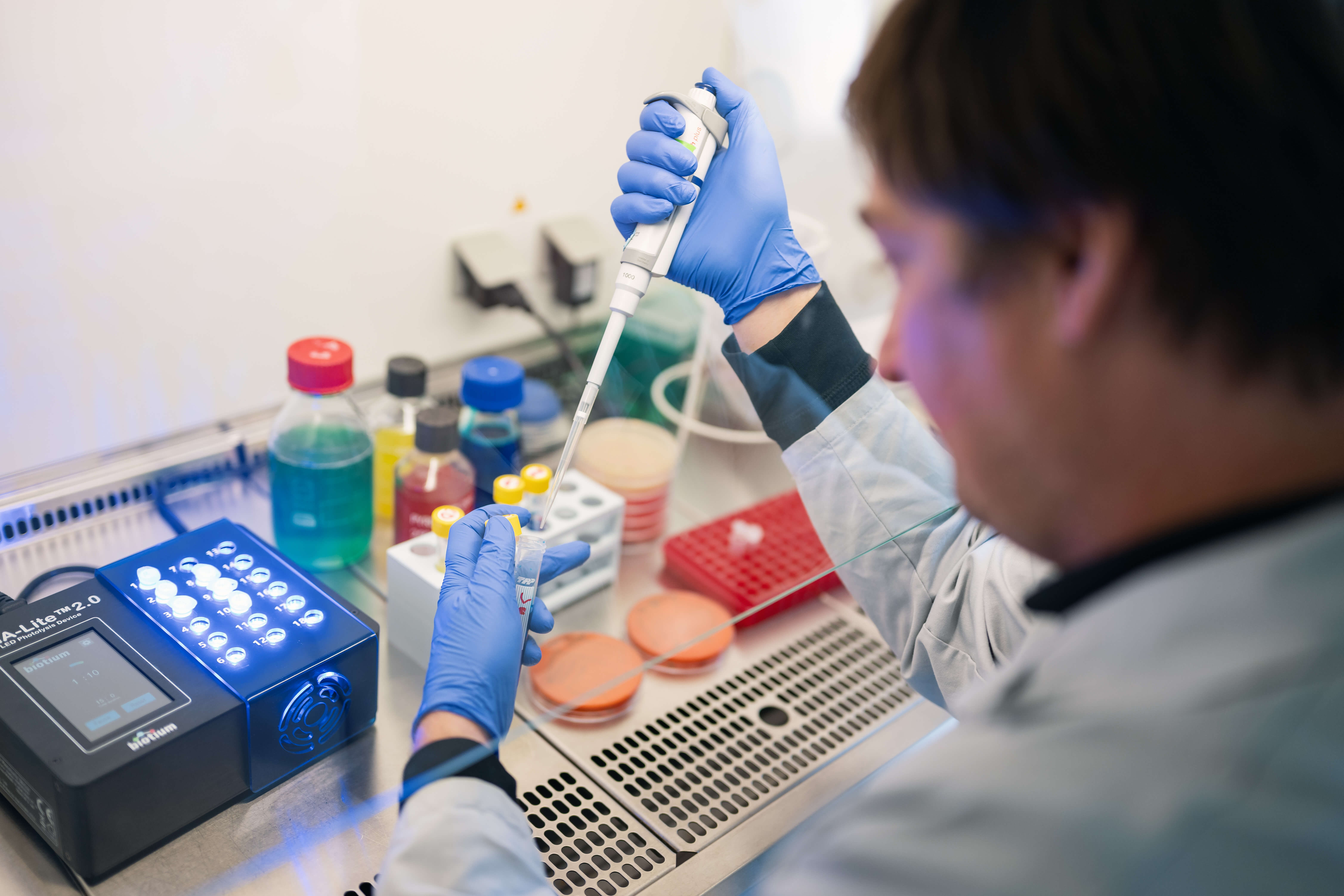
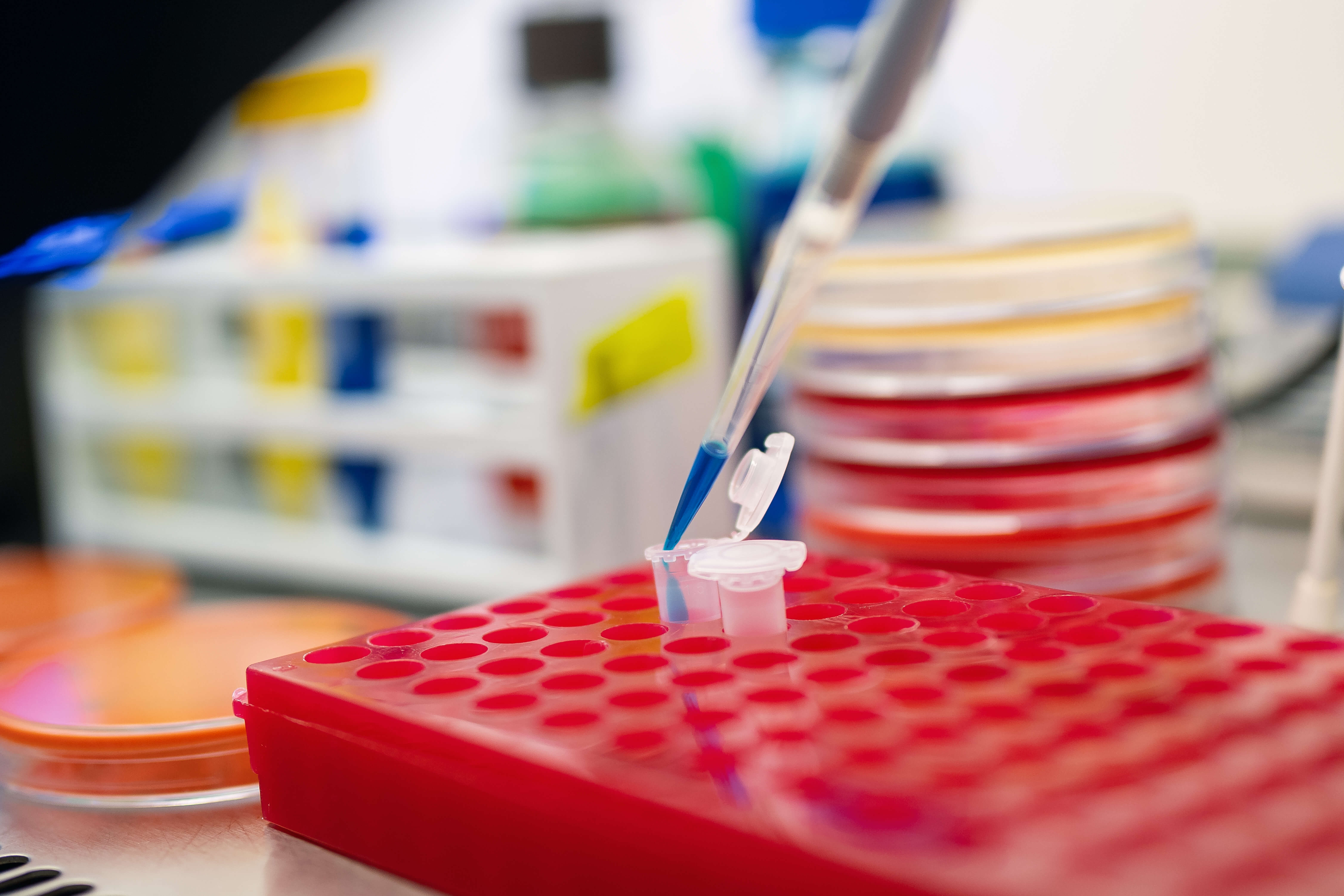
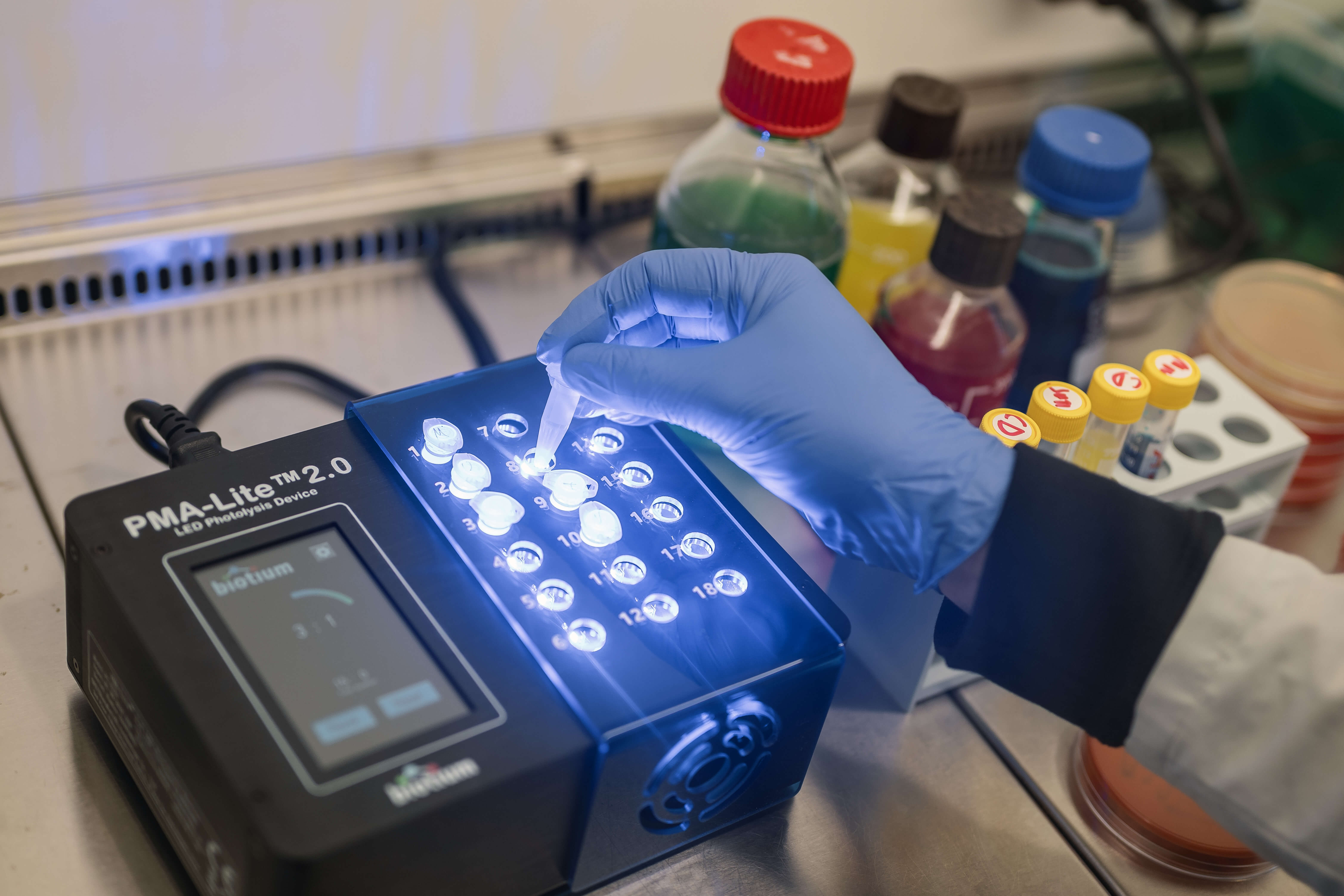
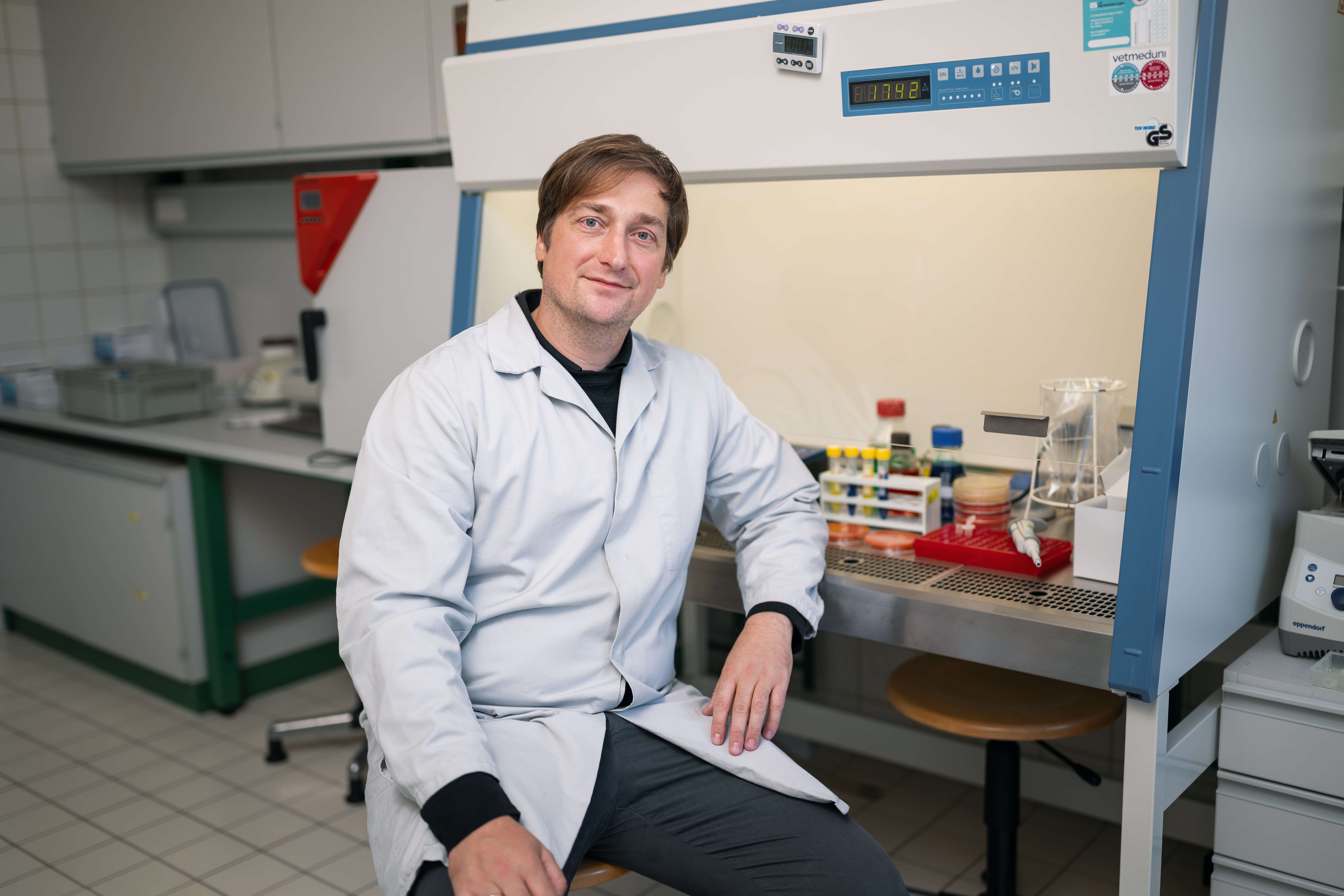
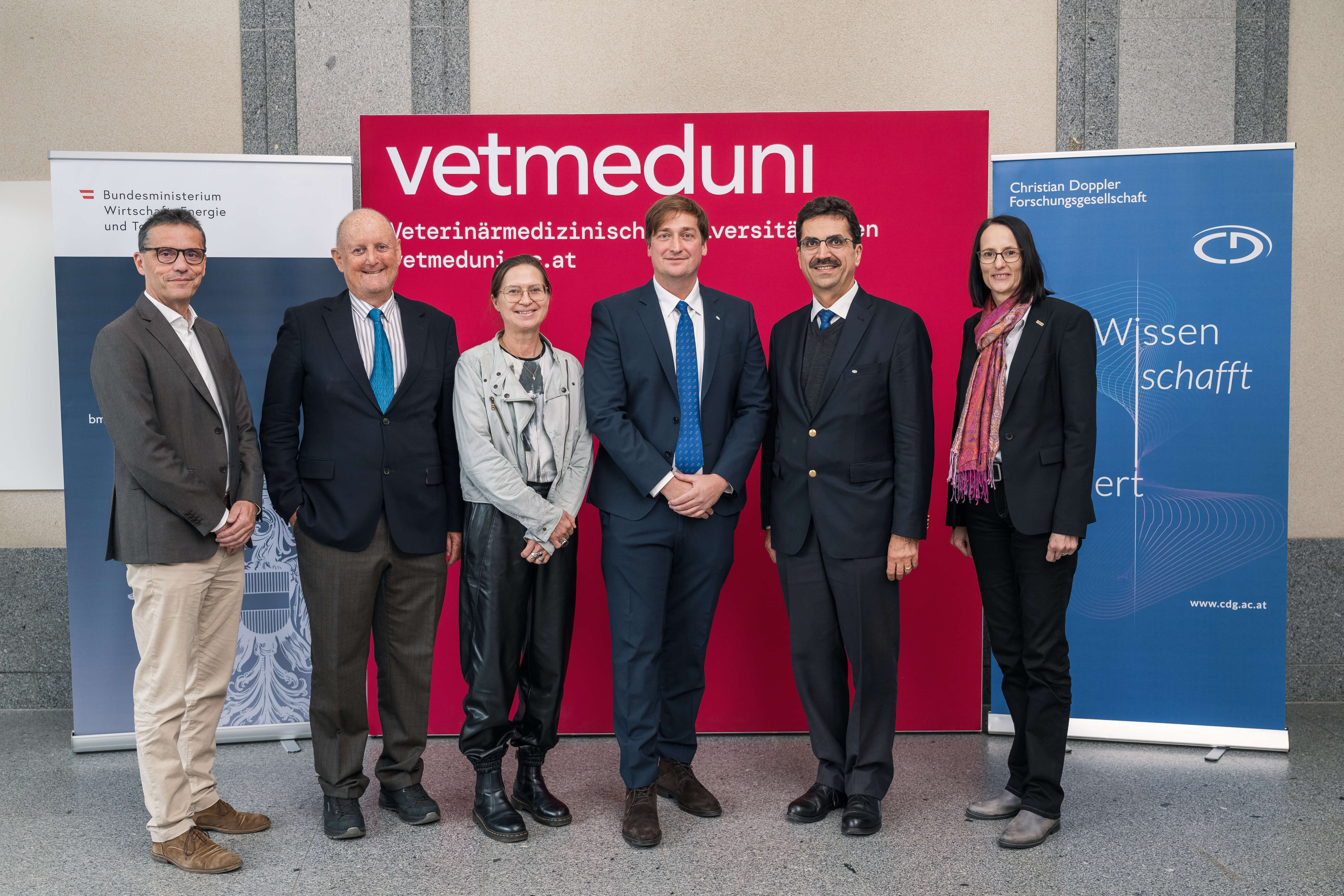
CD laboratory for the detection and reduction of dormant bacteria
About Christian Doppler Laboratories:
In Christian Doppler Laboratories, application-oriented basic research is conducted at a high level, with outstanding scientists cooperating with innovative companies. The Christian Doppler Research Association is internationally recognised as a best-practice example for the promotion of this cooperation. Christian Doppler Laboratories are jointly funded by the public sector and the participating companies. The most important public funding body is the Federal Ministry for Economic Affairs, Energy and Tourism (BMWET).
Further information:
Public Relations and Communication
University of Veterinary Medicine, Vienna (Vetmeduni)
medienanfragen@vetmeduni.ac.at
all photos: Thomas Suchanek/Vetmeduni