- Home /
- University /
- Infoservice /
- Press Releases /
- One Health: ALO•HA provides new insights into links between allergy and cancer
Research
One Health: ALO•HA provides new insights into links between allergy and cancer
A recent European study led by the University of Veterinary Medicine Vienna investigated potential shared immune mechanisms between allergic diseases and cancer-relevant immune pathways. While monocytes and macrophages have been extensively studied in the context of cancer, their role in allergic diseases remains poorly understood. Together with the newly developed research platform ALO•HA, the study helps address this long-standing gap in allergy research.
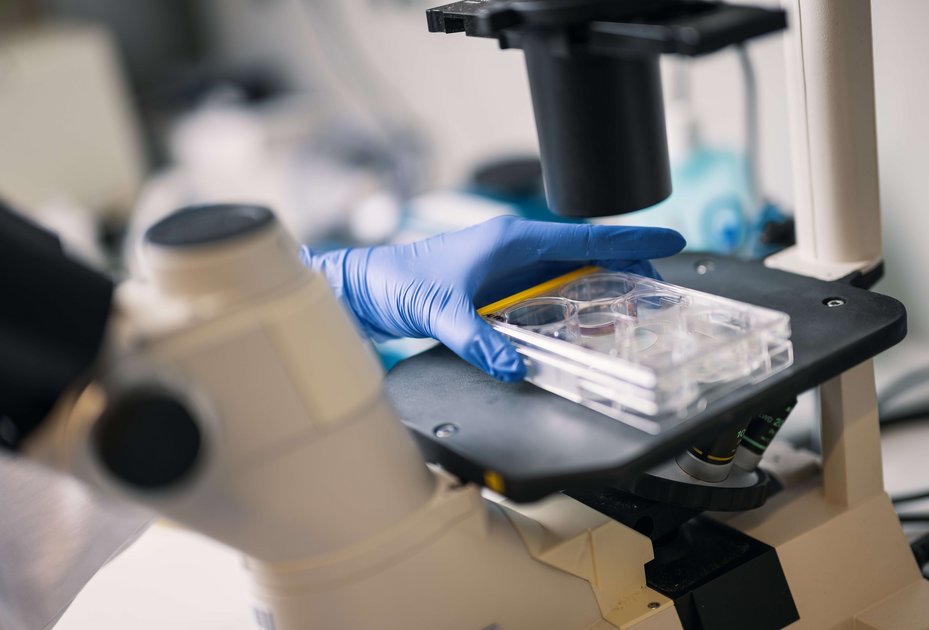
The research offers a structured characterization of the molecular signatures and functional pathways of human monocytes and macrophages in allergic immune responses, drawing exclusively on evidence from human studies rather than animal models or cell lines. A more precise characterization of these central immune cells in humans provides a firmer basis for comparison with immune responses in animals and yields new insights for a One Health–oriented immunology.
ALO•HA – a new platform for interactive exploration of molecular relationships
Specifically, identifying shared molecular signatures and immune-related pathways across major human allergic diseases helps to better understand how monocytes and macrophages contribute to allergic inflammation. “To make these findings accessible to the scientific community, we also developed ALO•HA (Allergy Linking Oncology Human Analyses) as part of the study—an interactive web platform that enables researchers to explore molecules, diseases, sample sources, and trends, and to uncover new molecular relationships,” explains Rodolfo Bianchini, first author of the study from the Equine Clinical Center at Vetmeduni.
Macrophages as a potential starting point for future cancer therapies
The study also provides a foundation for examining how allergy-associated monocyte and macrophage signatures might relate to cancer-relevant immune pathways. According to Bianchini, this opens up new research avenues that could contribute to future therapeutic strategies in the long term: “Our work brings macrophages into focus as potential tools of immunomodulation and opens further opportunities for translational research and ultimately for patient care.”
Study distills thousands of scientific publications
The broad-based review was conducted in multiple steps. An automated search of the PubMed and Web of Science databases initially identified 4,668 articles. These were then manually curated using predefined inclusion and exclusion criteria, yielding 138 eligible studies. “From these, we identified 451 molecules associated with monocyte and macrophage responses in allergic diseases. Our analyses also revealed a research bias toward blood-derived monocytes, an underrepresentation of tissue-resident macrophages, and limited inclusion of microRNAs,” says Bianchini.
The article „Molecular Signatures and Functional Pathways of Human Monocytes and Macrophages in Allergy: An EAACI AllergoOncology Scoping Review“ by Rodolfo Bianchini et al. was published in Allergy.
Scientific article
ALO•HA
Scientific contact:
Rodolfo Bianchini, PhD
Klinisches Zentrum für Pferde
Veterinärmedizinische Universität Wien (Vetmeduni)
rodolfo.bianchini@vetmeduni.ac.at