- Home /
- University /
- Infoservice /
- News /
- Innovative techniques for research: cryopreservation course at Vetmeduni Vienna
Research
Innovative techniques for research: cryopreservation course at Vetmeduni Vienna
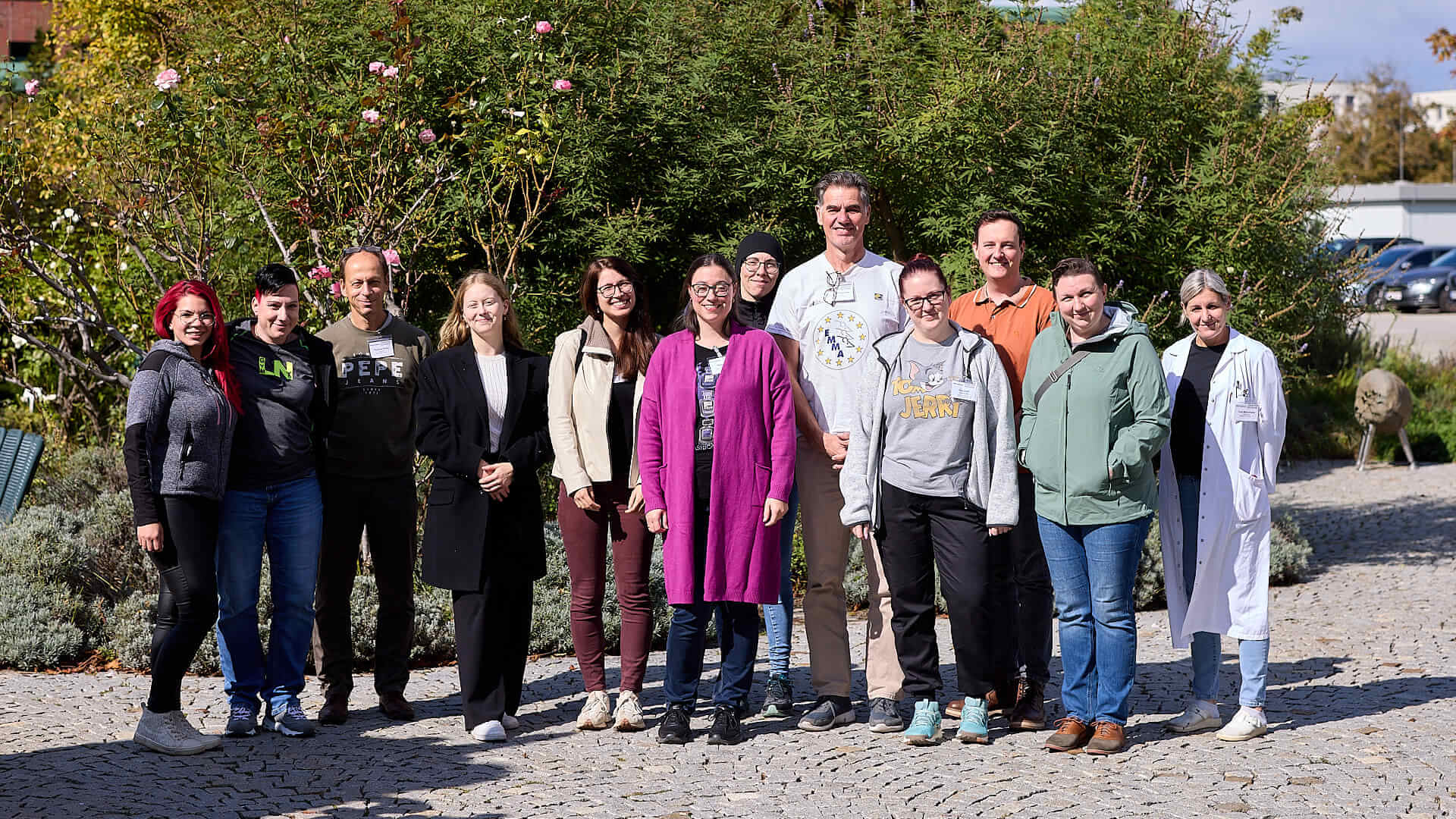
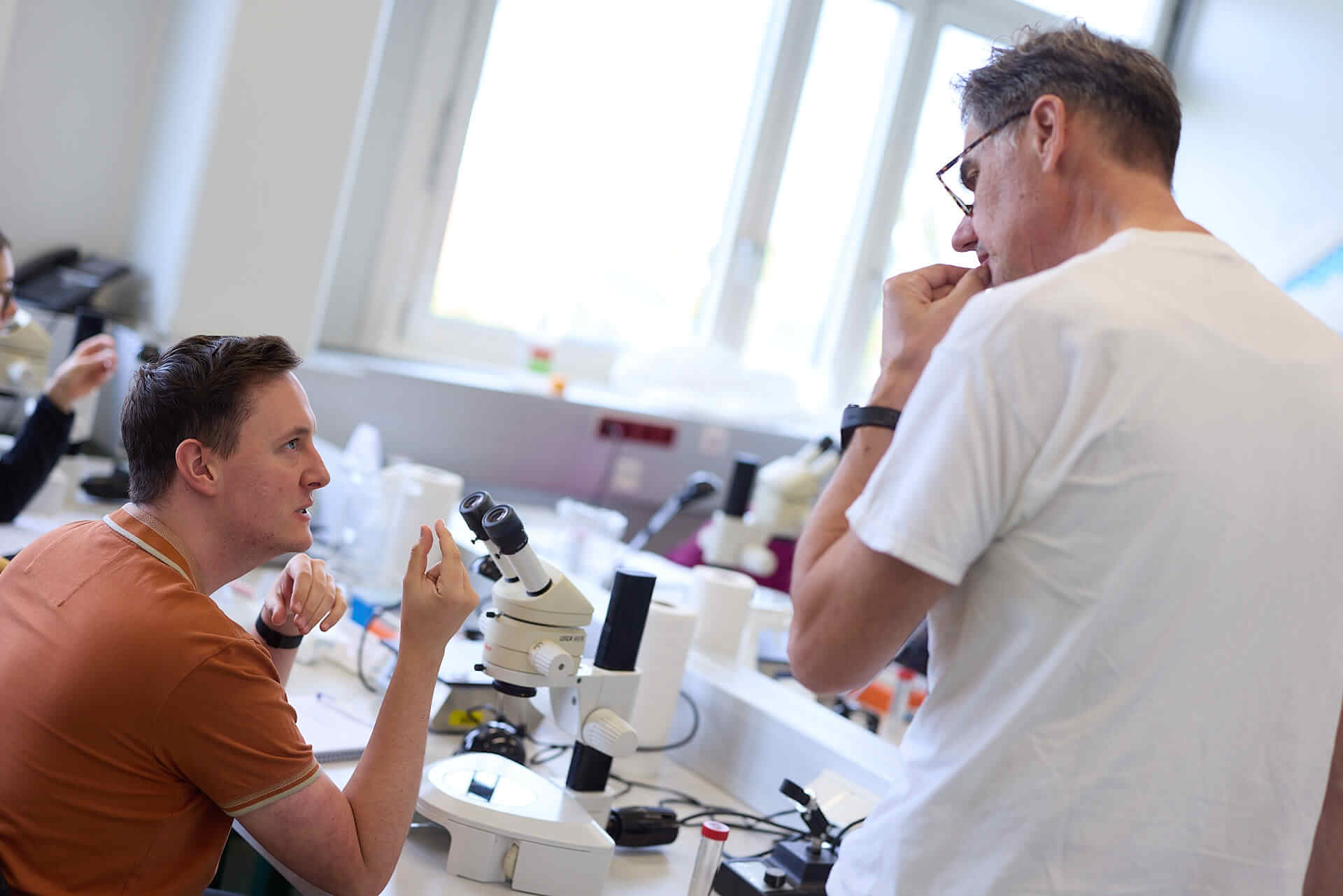
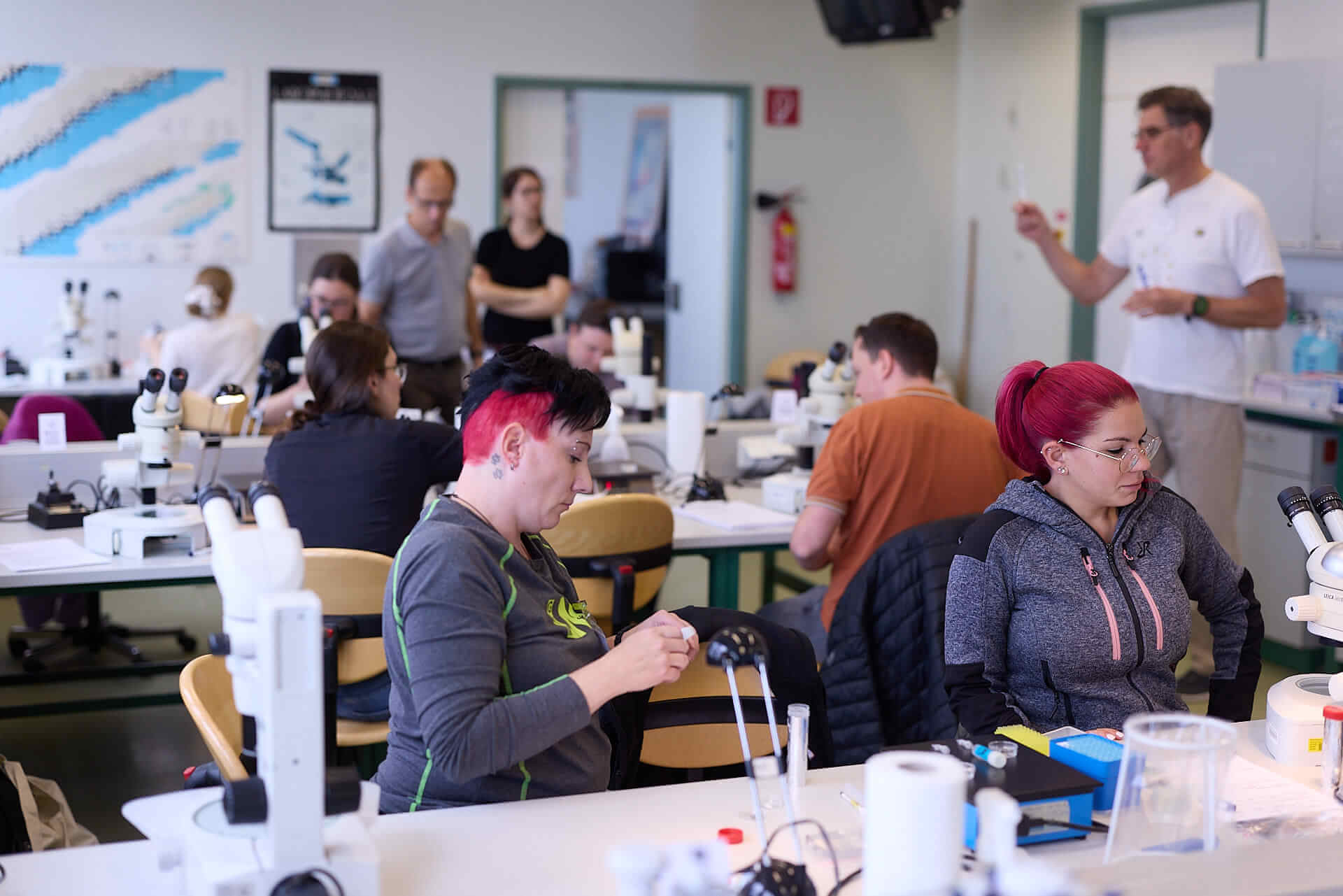
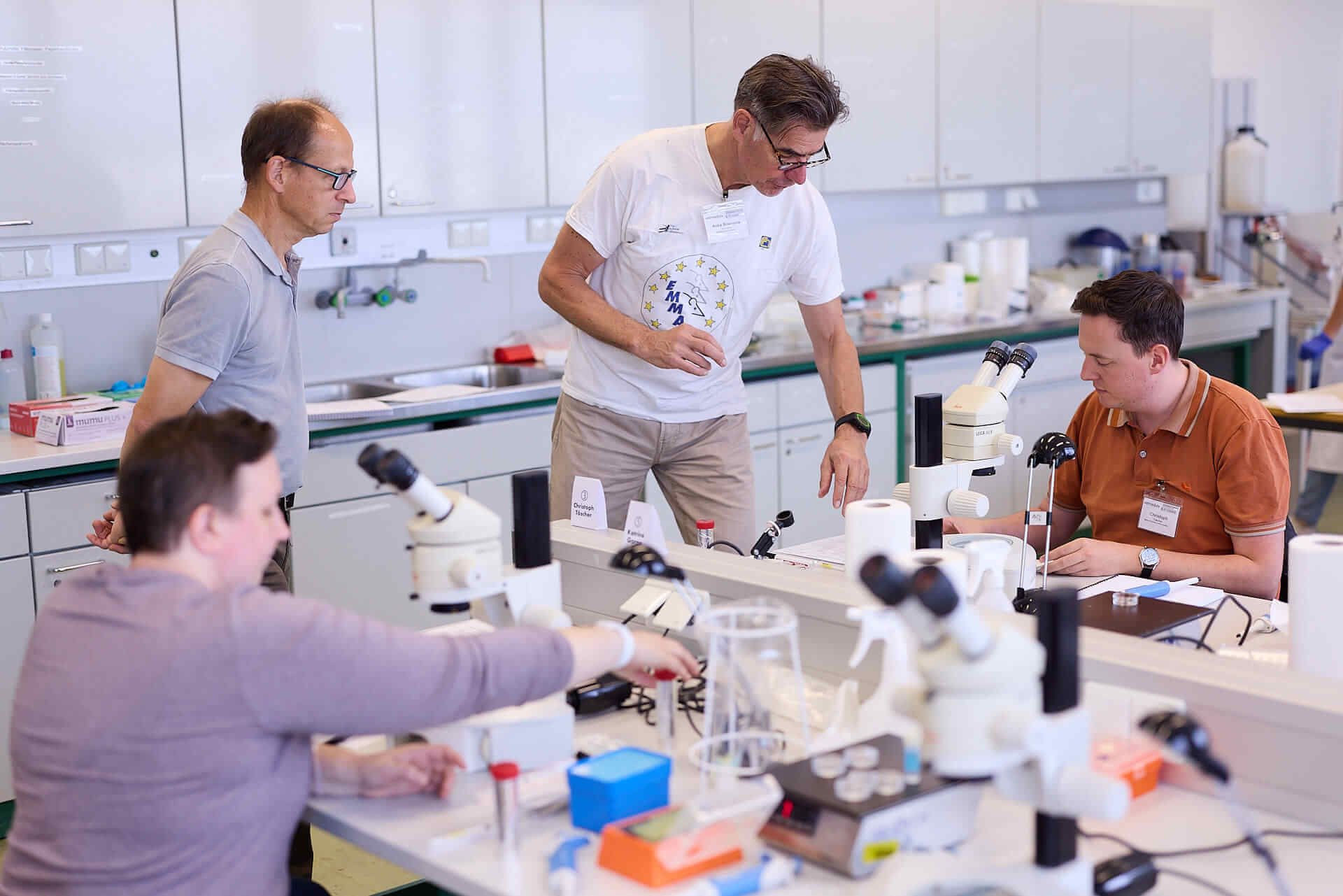
The course for cryopreservation and embryo transfer in laboratory mice took place this year from 29 September to 3 October 2025 at the Centre for Biological Sciences at Vetmeduni Vienna. Seven participants from Austria, Germany and the United States deepened their knowledge of archiving valuable mouse lines and trained their practical skills.
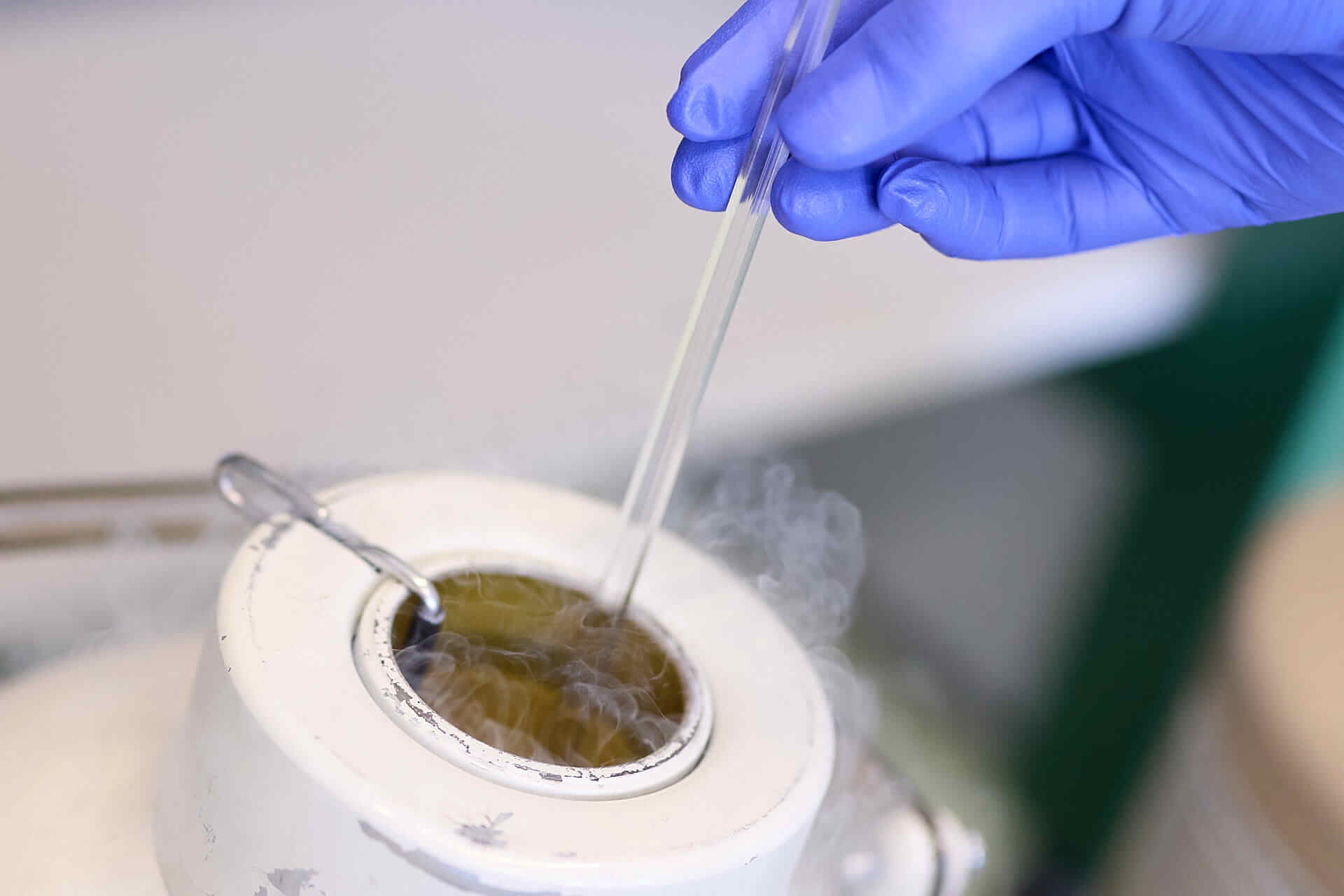
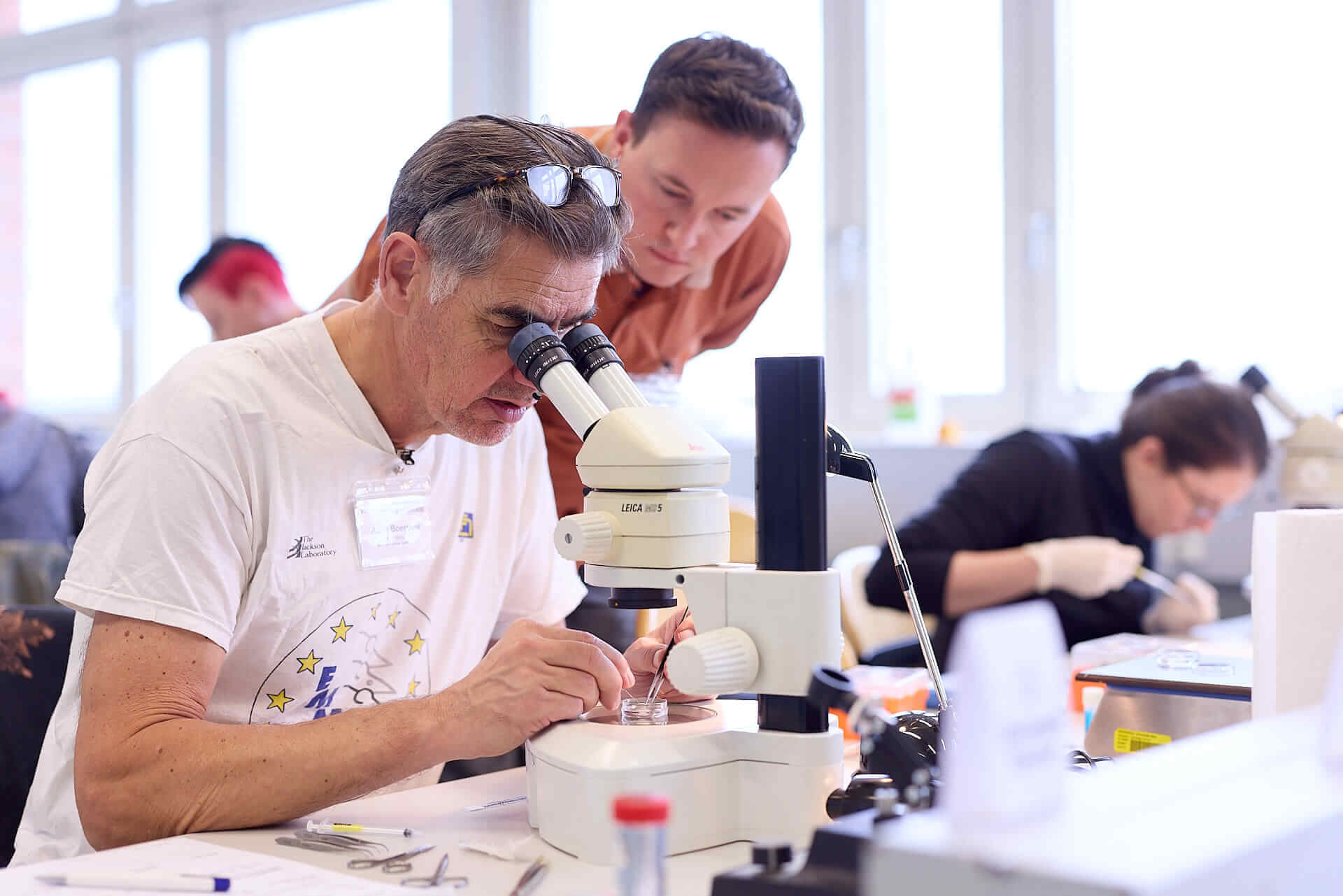
Cryopreservation and embryo transfer play a central role in the archiving of genetically modified mouse lines, which are collected in particular as part of the European Mouse Mutant Archive (EMMA) at the Vetmeduni. Through EMMA, researchers worldwide can archive mouse strains that are important for biomedical research free of charge and order them online for a fee. The Austrian EMMA node is located at the Institute for In-vivo & In-Vitro Models (Director: Maik Dahlhoff). In order to ensure the correct handling of frozen samples in everyday laboratory work, the Institute regularly offers special training courses under the guidance of EMMA Archive Manager Auke Boersma and Thomas Kolbe. The aim of the course is to impart knowledge about assisted reproduction, cryopreservation and embryo transfer in laboratory mice and to enable participants to use these techniques independently.
Why the mouse is so important as a model organism
The mouse shares over 98 per cent of its genetic material with other mammals, including humans. For this reason, and due to its rapid reproduction and inexpensive maintenance, it is an indispensable model for research into human life functions and diseases. The European Mouse Mutant Archive (EMMA) provides researchers worldwide with frozen sperm and embryos of various mouse lines. This archive not only serves science, but also contributes to the reduction of animal experiments, as valuable mouse models do not have to be produced repeatedly. This minimises the shipping of live animals and reduces their long-term husbandry.
Practical training: from freezing to embryo transfer
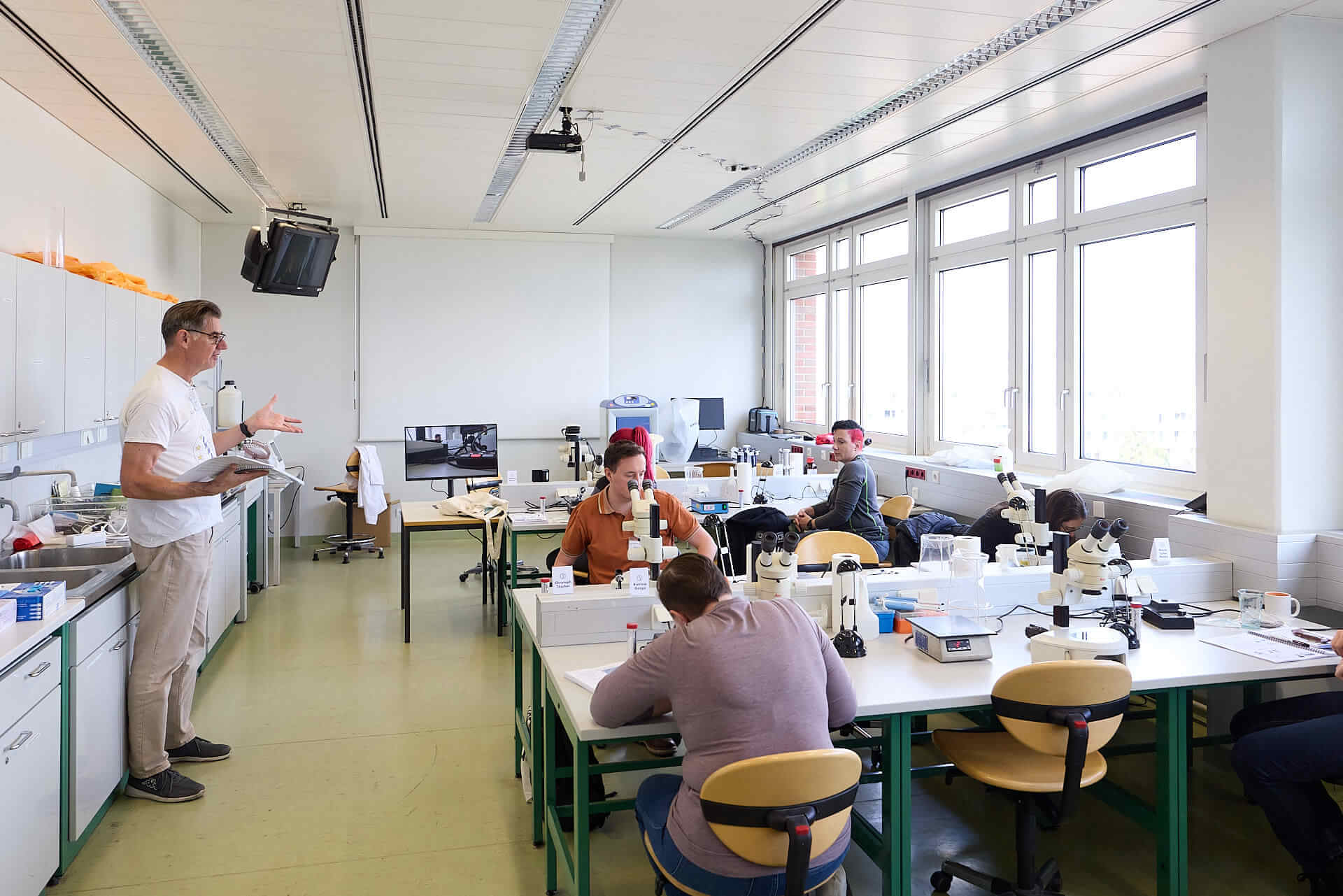
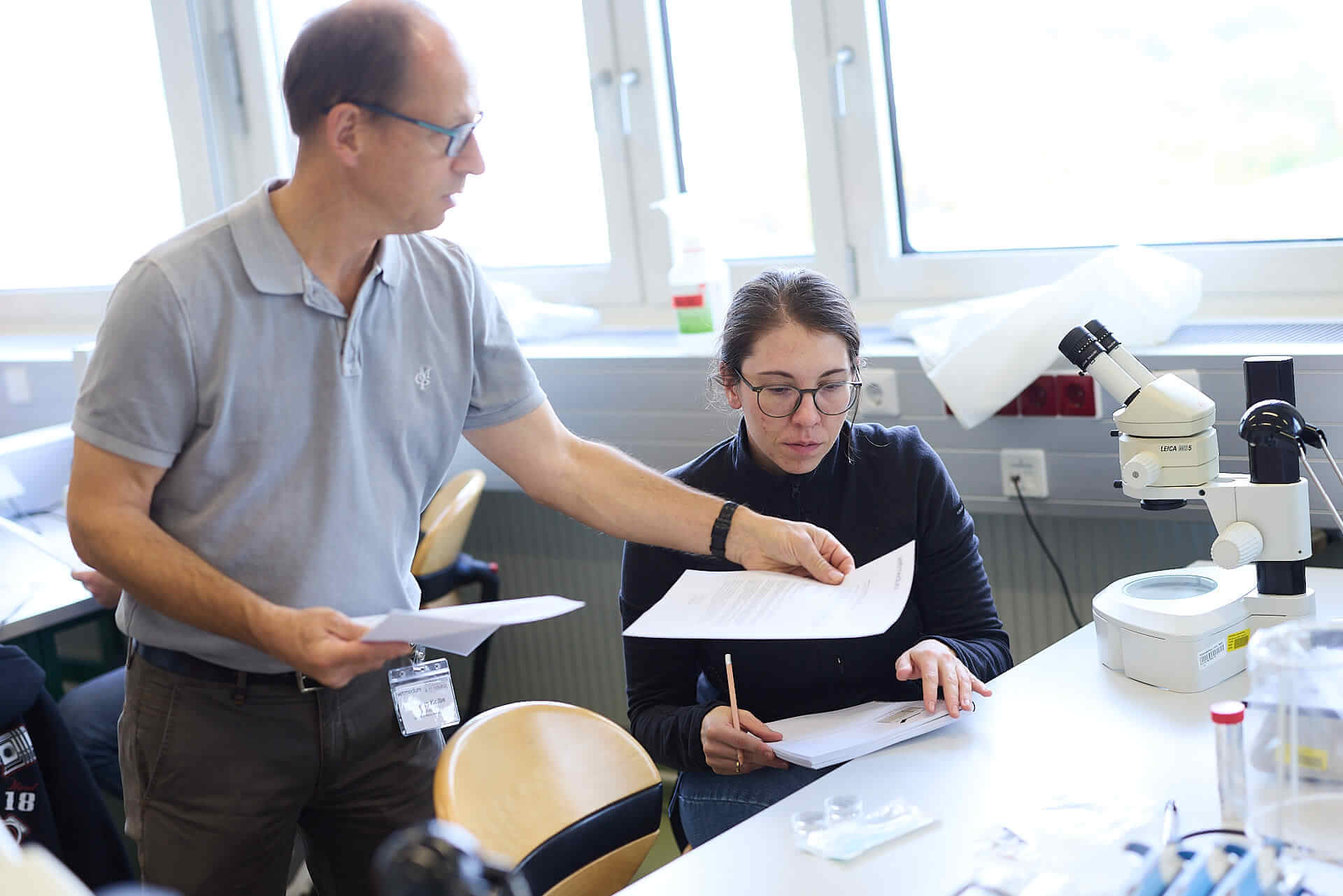
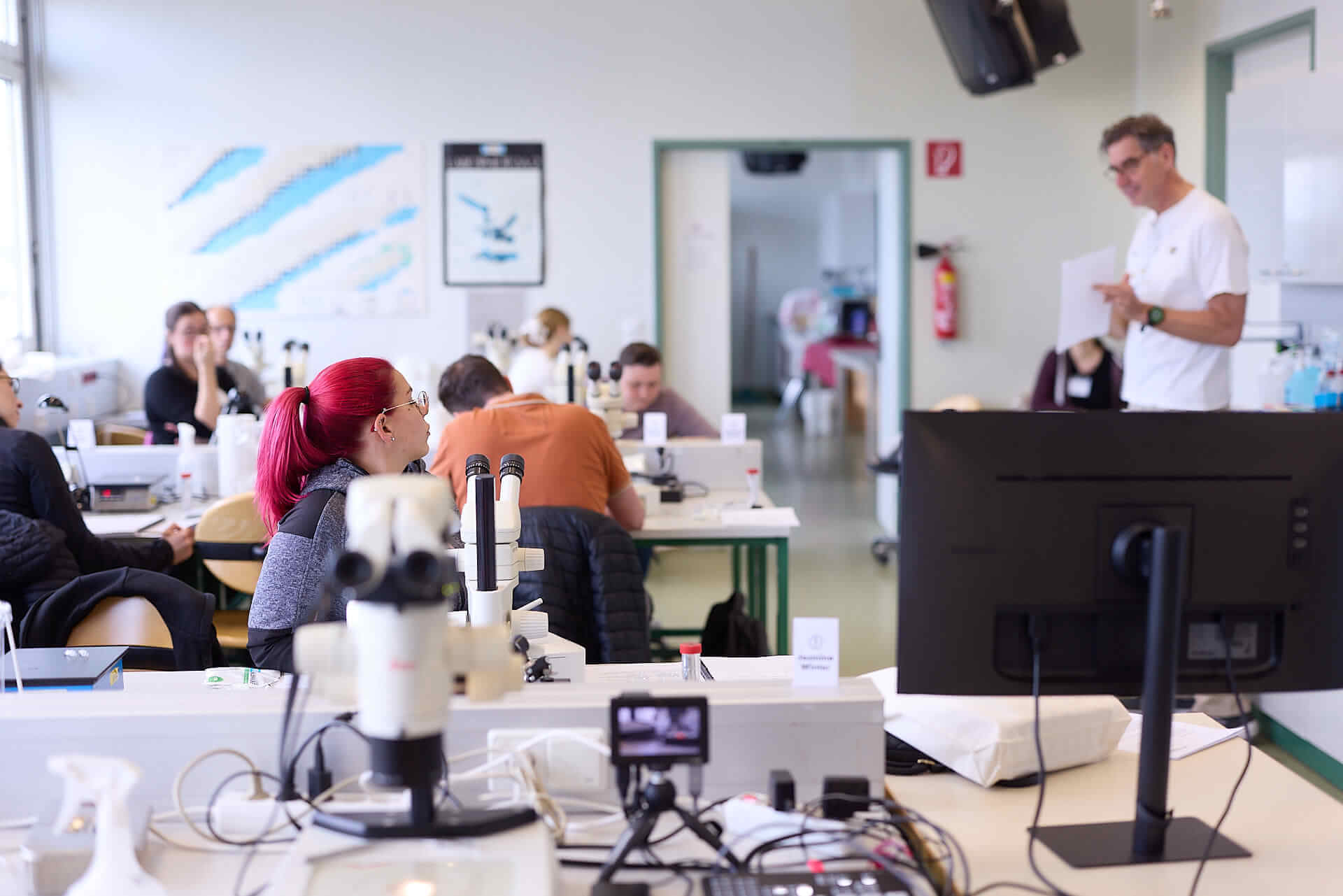
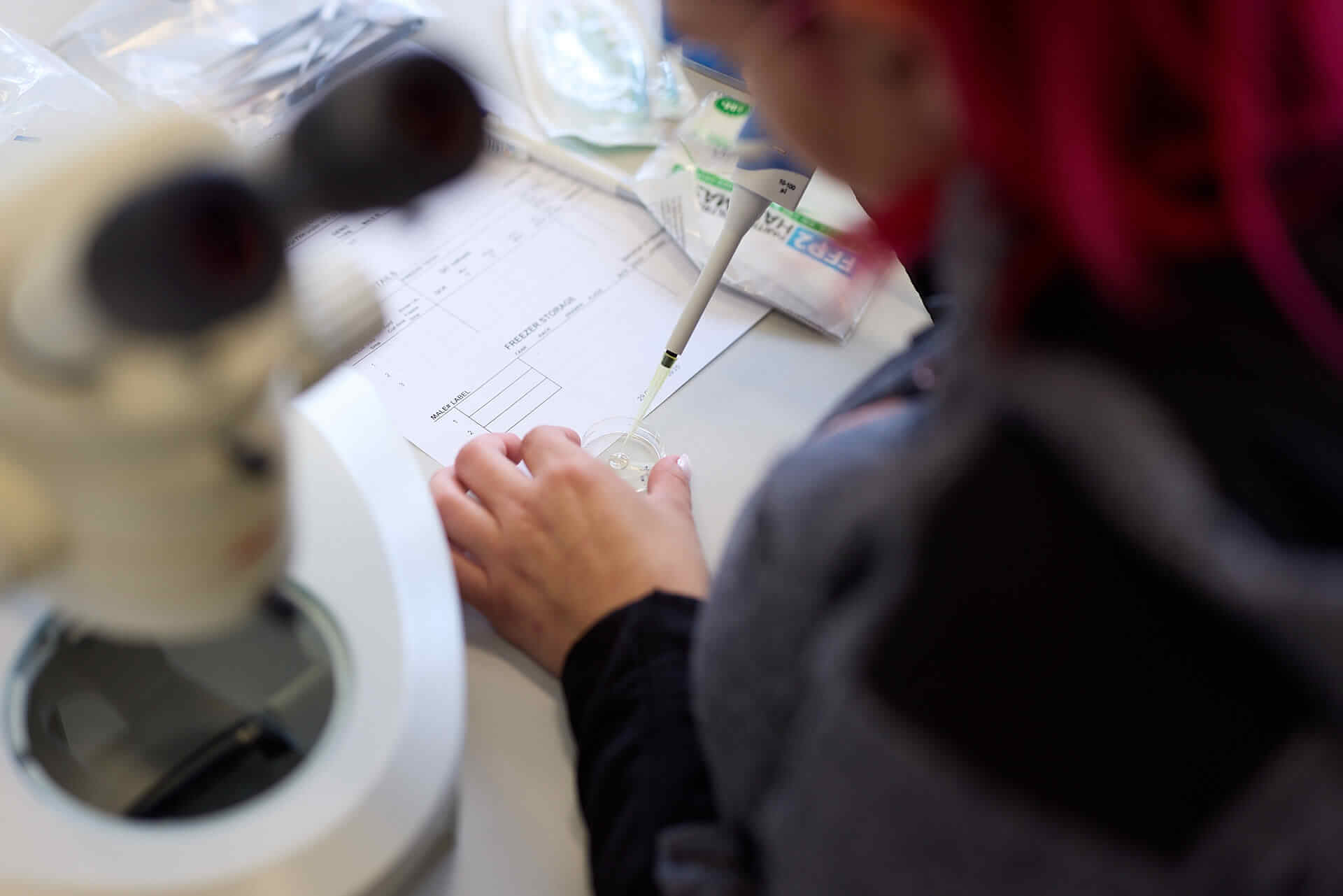
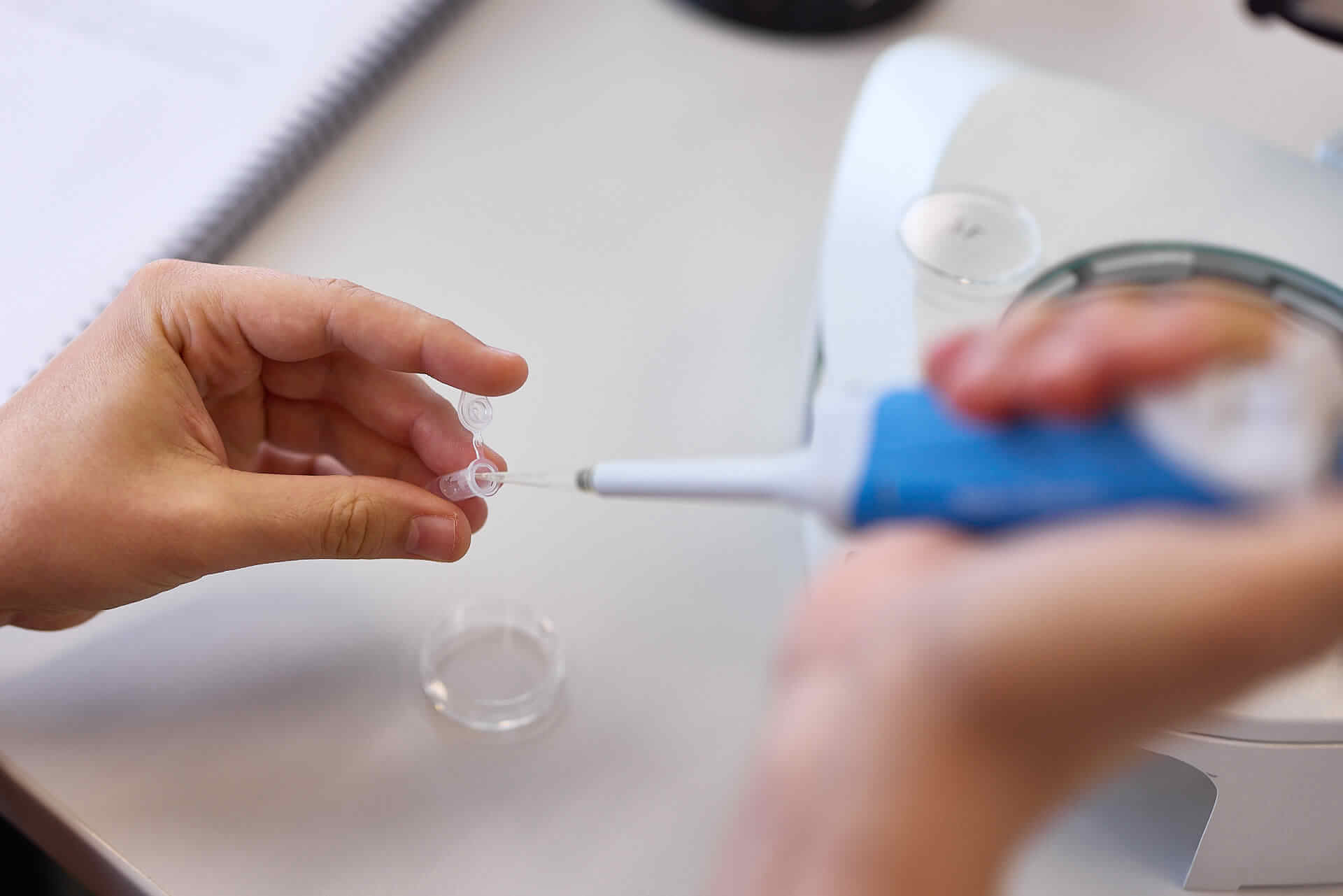
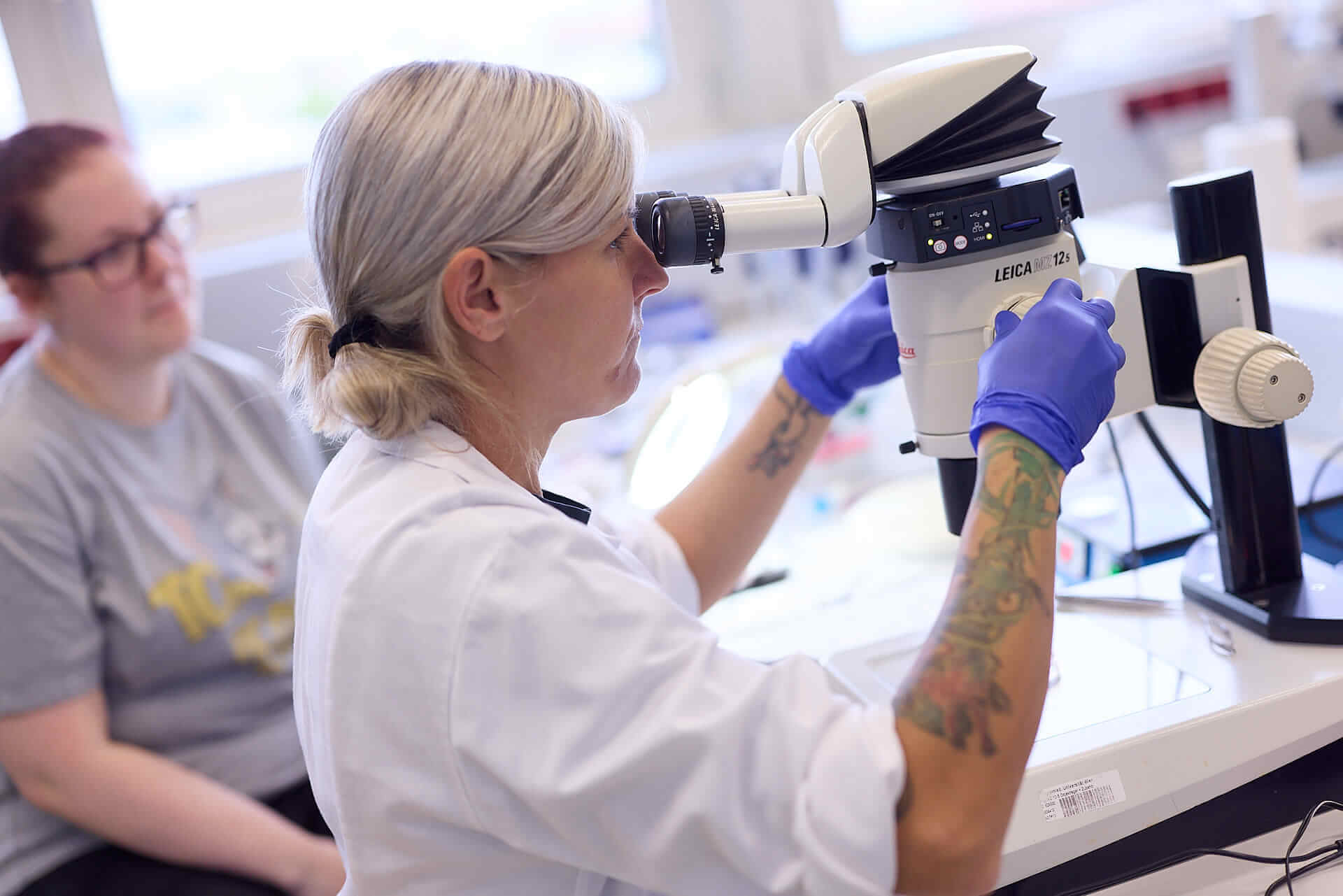
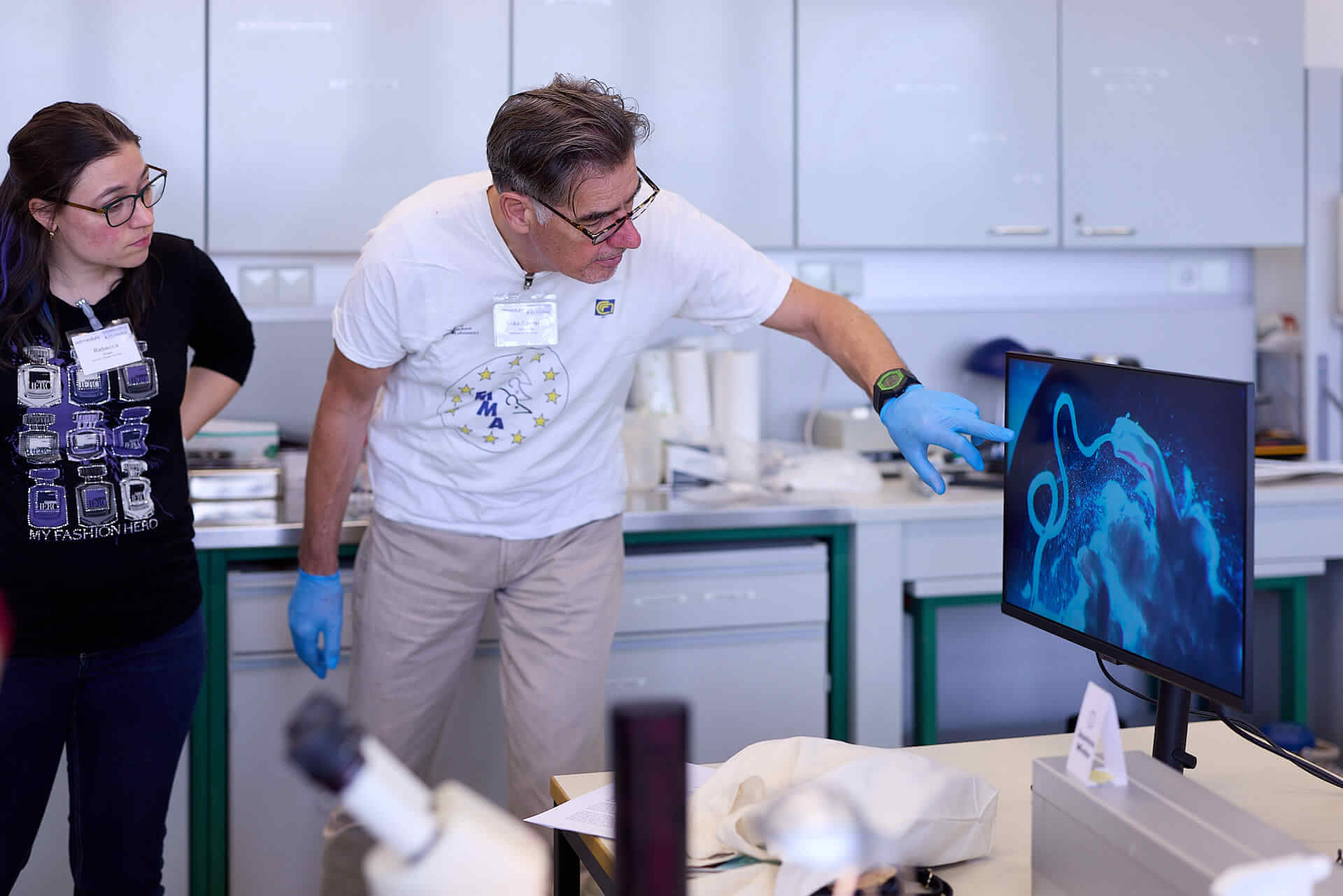
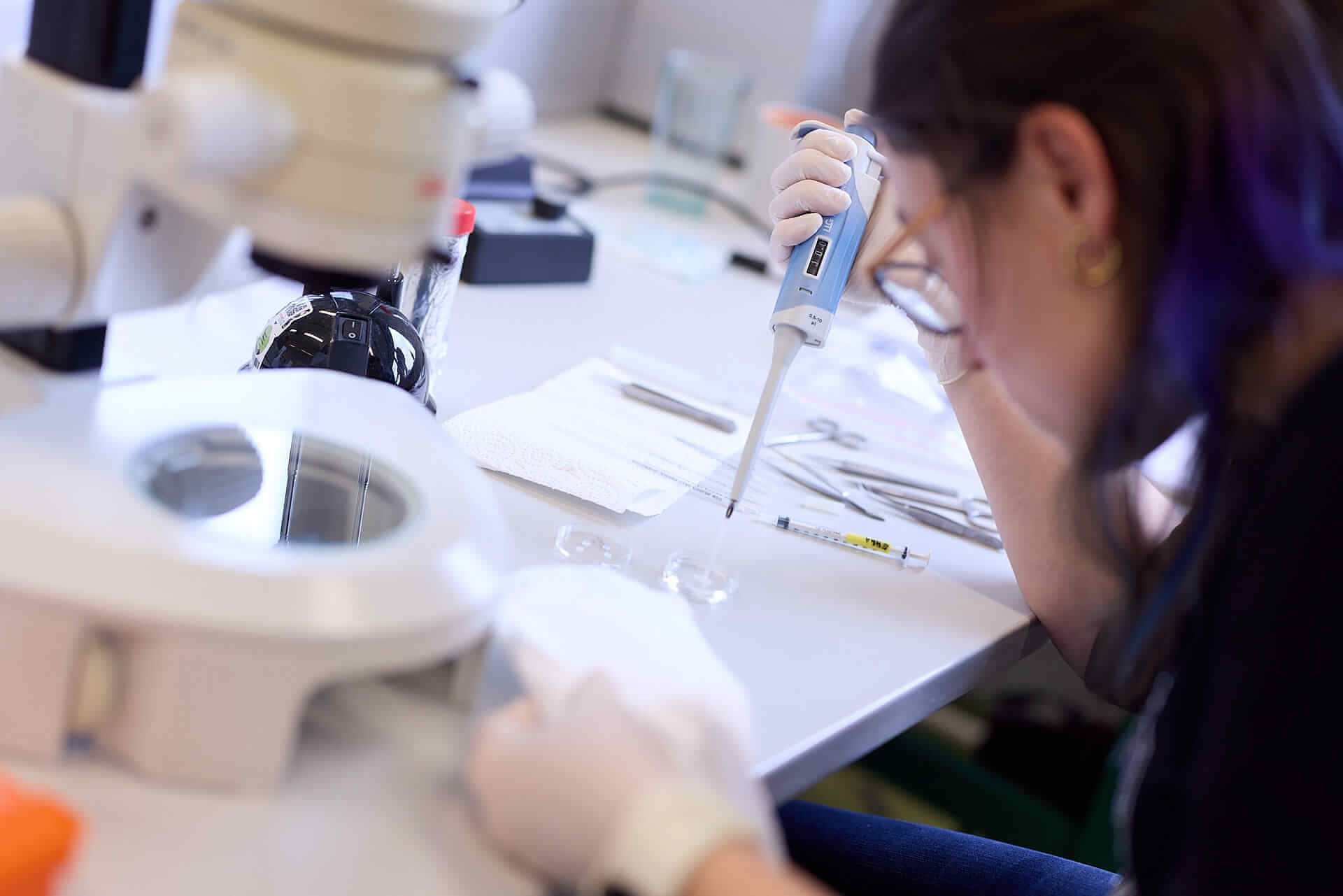
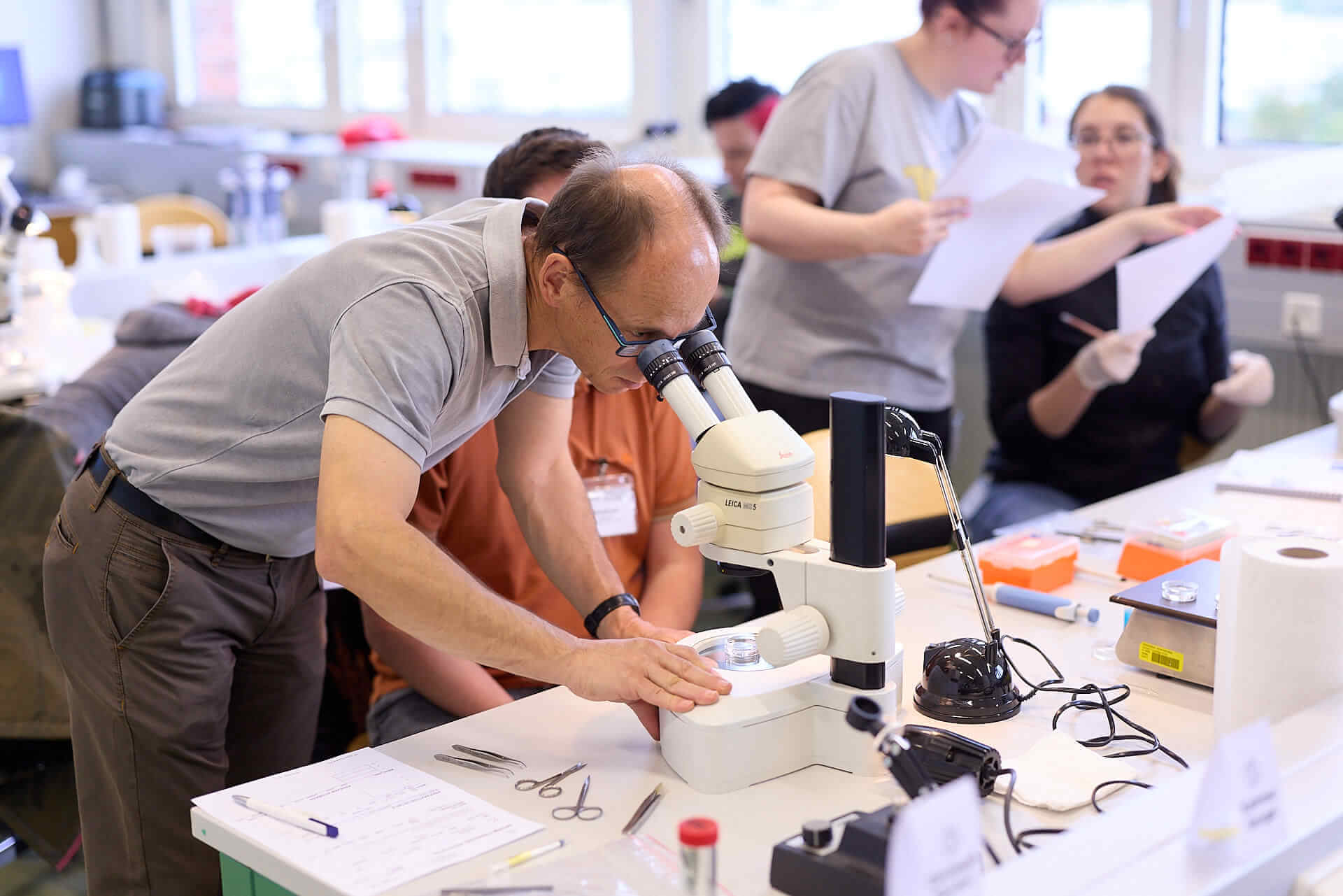
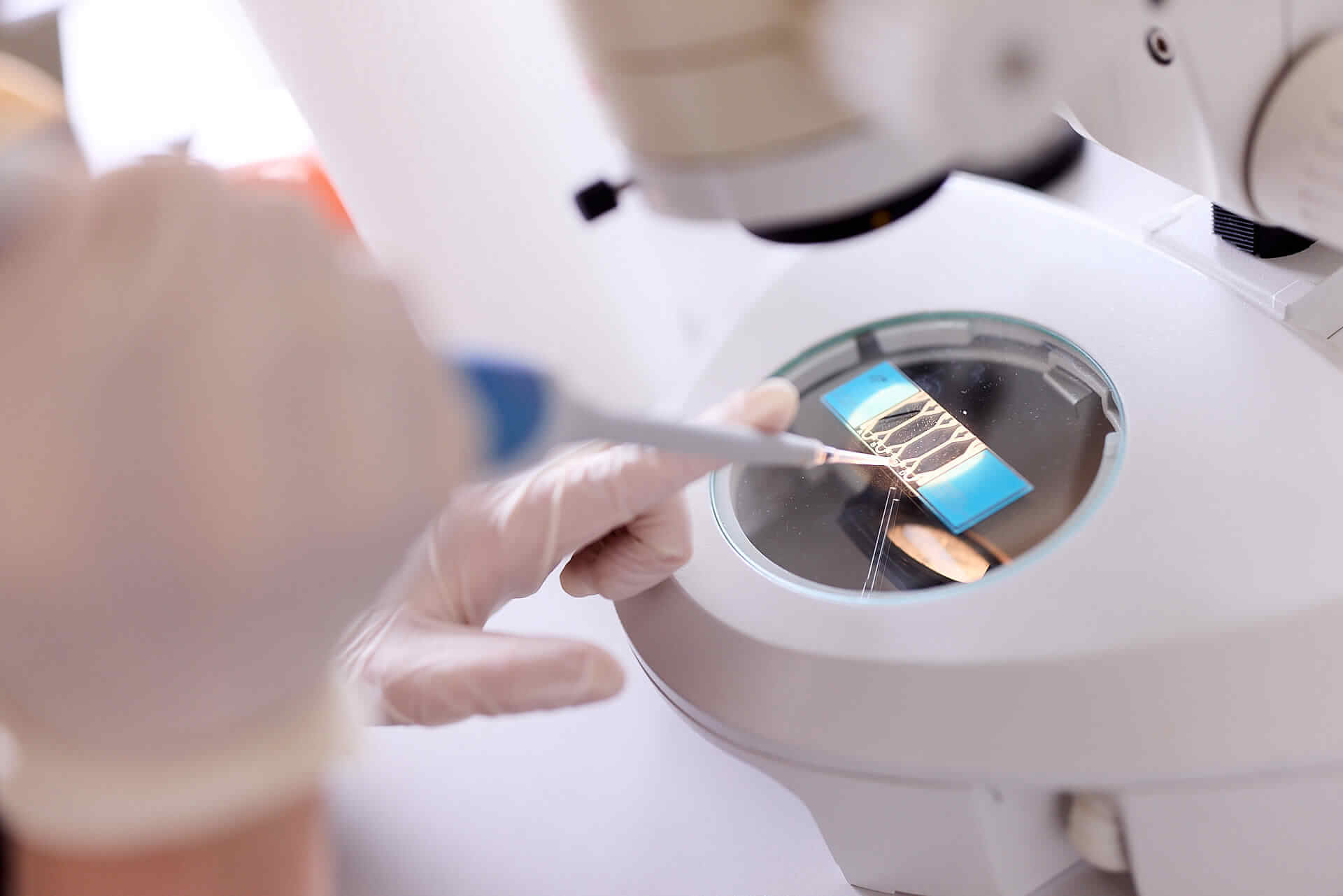
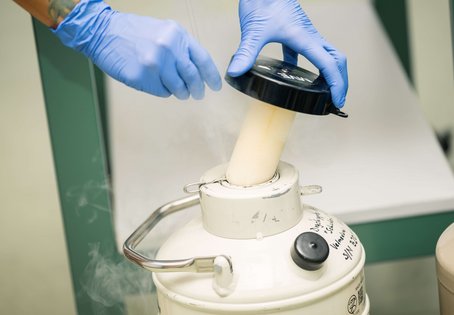
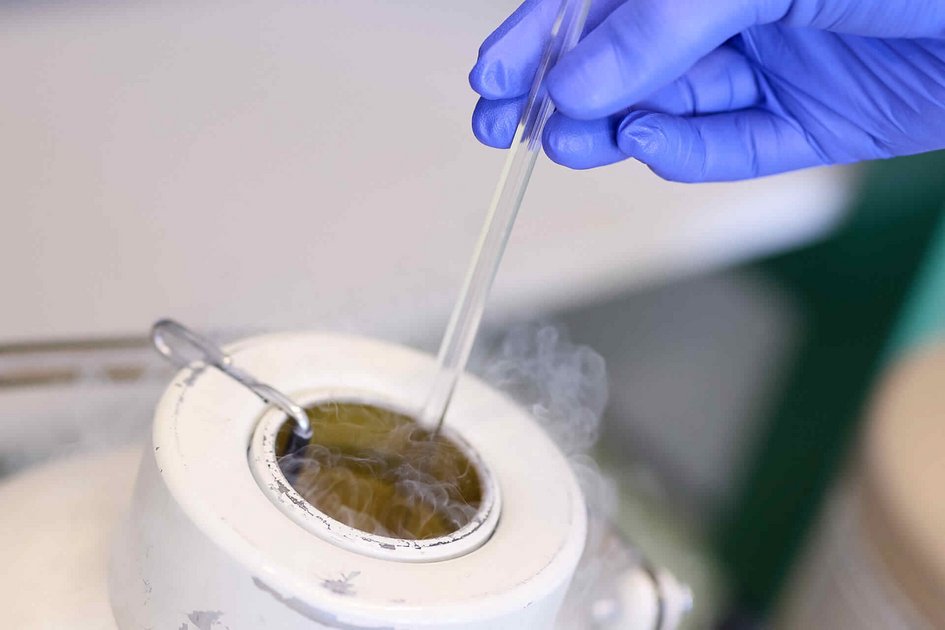
The collection and cryopreservation of mouse sperm and embryos requires specialised training. In addition to theoretical units, the focus was primarily on practical exercises: from the archiving and revitalisation of embryos and germ cells to in vitro fertilisation and embryo transfer.
In addition to imparting specialist knowledge, the course also provided a platform for exchange between researchers from different institutions. The participants made new contacts and exchanged views on current developments in biomedical research. The feedback from all participants at the end of the course was therefore consistently positive. The instructors were also positive. "The dissemination of these techniques is an important contribution to animal welfare, as only the animals required in the experiment are kept or shipped," explains Thomas Kolbe. "The fact that one participant even came from Baltimore shows the importance of such programmes for the scientific community," says Auke Boersma.