- Home /
- University /
- Infoservice /
- News /
- ASEA-UNINET International Network: Research Without Borders
University
ASEA-UNINET International Network: Research Without Borders
The ASEAN-European Academic University Network (ASEA-UNINET) is a network of universities consisting of European and Southeast Asian universities with the aim of promoting the internationalization of education and research. ASEA-UNINET was founded in 1994 by universities in Austria, Indonesia, Thailand, and Vietnam as the Austrian-South-East Asian University Network and now consists of more than 92 universities in 14 different countries.
Every year, more than 80 bilateral and multilateral ASEA-UNINET research projects are carried out. Joint research laboratories in various academic fields have been established over the years, and new ones are being founded. In addition, PhD and postdoctoral fellowships are awarded to students and researchers. In addition, international workshops, conferences, summer schools, and networking events are organized on a regular basis, the latter often in close cooperation with embassies and representatives from politics and business.
The university cooperation covers numerous disciplines, from natural sciences, technology, economics, social sciences, and humanities to medicine, pharmacy, and veterinary medicine. ASEA-UNINET focuses on continuing education and postgraduate training programs for scientists at Southeast Asian universities. Its activities can also be regarded as development aid and knowledge transfer. The promotion of scientific, cultural, and personal relationships, as well as the exchange of knowledge and cooperation, are essential components of the network's mission. All of this makes ASEA-UNINET unique among academic mobility programs in terms of the high number of research publications and long-term cooperation with Southeast Asian universities.
Vetmeduni as an active member of the ASEA-UNINET network
Vetmeduni is an active member of the ASEA-UNINET network. Numerous research projects, workshops, and clinical placements have been realized with financial support from ASEA-UNINET. Over the past seven years, 19 research projects, three workshops, and 21 clinical placements have been approved, corresponding to a total sum of around €145,000. In addition, four short-term postdoctoral positions were funded by ASEA-UNINET at Vetmeduni during this period as part of the Ernst Mach Program, as well as 14 PhD positions (each lasting three years). This is an outstanding achievement and speaks volumes for the ASEA-UNINET program and its success at our university. Thanks to the numerous supervisors who provide intensive support to the PhD students.
Cooperation projects
The research projects at Vetmeduni are diverse and interdisciplinary. Current projects range from food safety and veterinary immunology to research into medicinal plants and their secondary metabolites, as well as aquatic toxicology. One example is the cooperation project in the field of food safety between Samart Dorn-In and Chiang Mai University. Another example is the collaboration between the Research Institute of Wildlife Ecology (Pamela Burger) and King Mongkut's University of Technology. As part of this project, immunogenetic studies are being conducted on Thai golden jackals.
In the last two years alone, two postdoctoral research fellowships from the renowned Ernst Mach Program were awarded to Vetmeduni following a rigorous selection process. This enabled Sutin Kingtong from Burapha University (Thailand) and Ms. Linh Giang from Vietnam University of Medicine and Pharmacy to conduct their research at Vetmeduni.
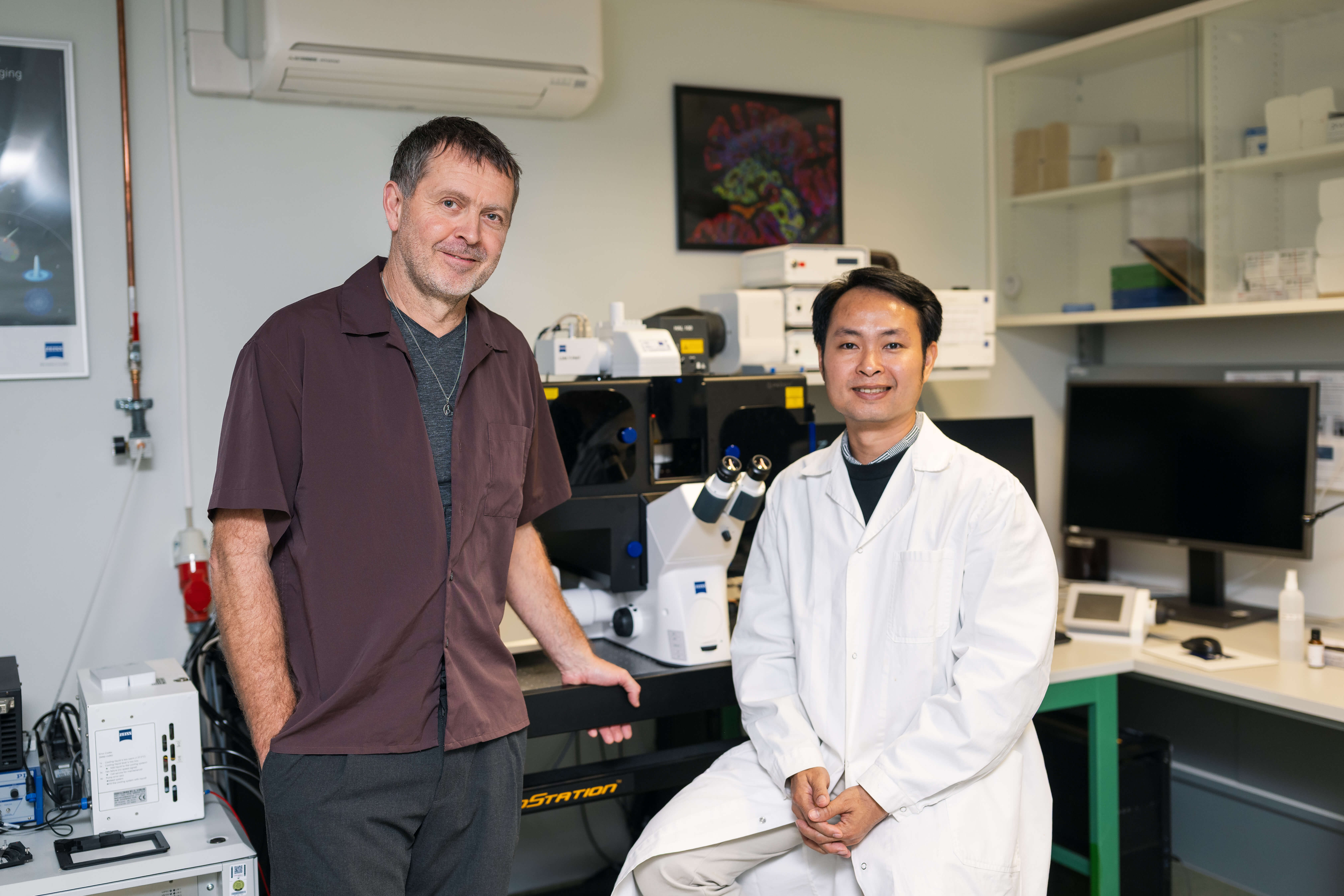
As part of his project, Sutin Kingtong investigated the effects of the insecticide DDT on marine organisms such as oysters in Thai waters. He focused on changes in the proteome of oysters. In a current project, together with Martin Glösmann (Vetmeduni), he is analyzing the morphological changes in oysters using state-of-the-art imaging techniques at VetCore.
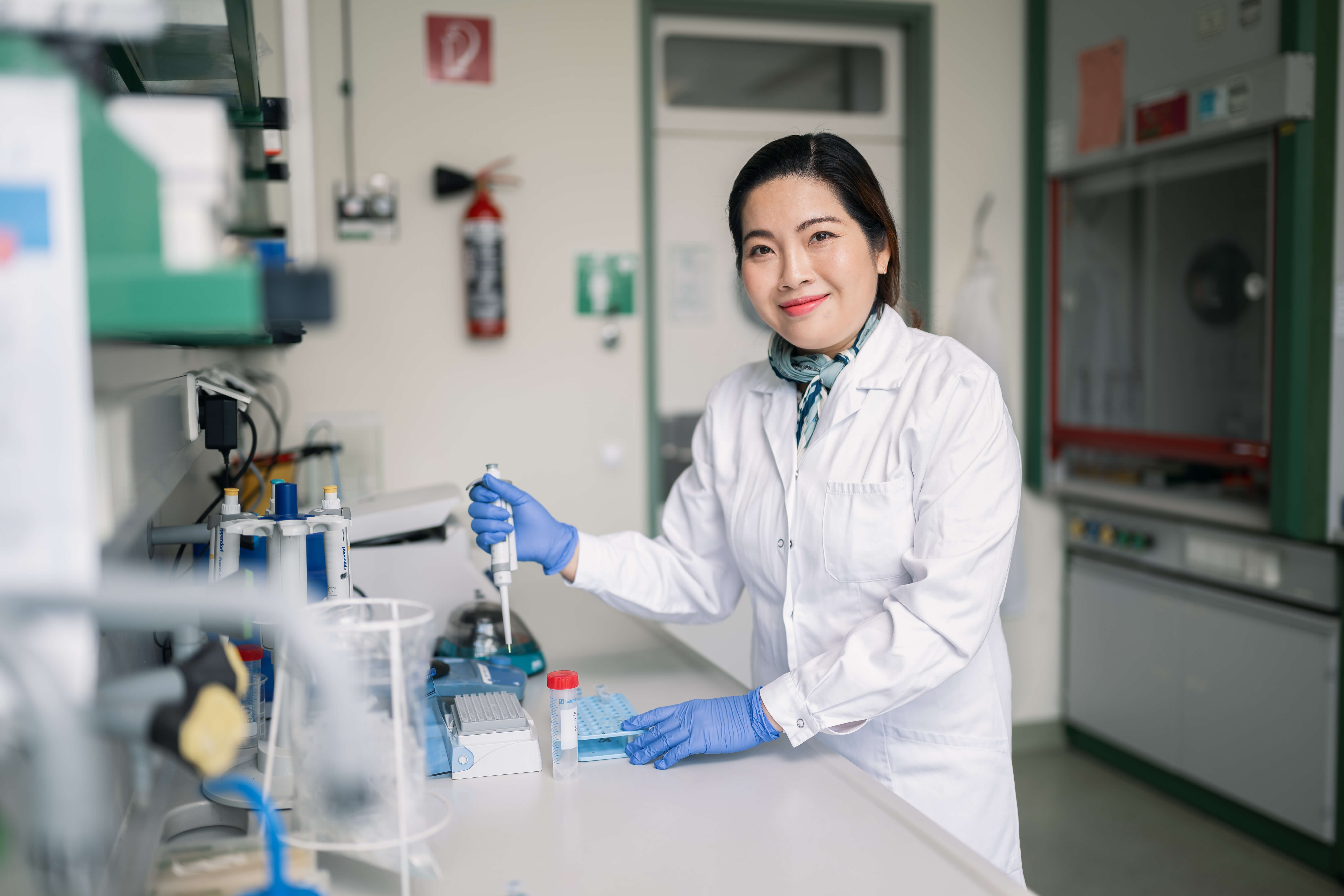
An Ernst Mach scholarship enabled Linh Giang to come to Vetmeduni for six months to research the proteome and metabolome of Vietnamese ginseng plants together with Johannes Novak and the VetCore mass spectrometry facility. Last year, Rudolf Moldzio and Lars Gille organized and held a workshop on “Targeting Mitochondria in Neuroprotection and Cancer Research” at Gadjah Mada University in Indonesia.
The various research, cooperation, and staff exchange projects have resulted in numerous publications in renowned international peer-reviewed journals. Clinical placements are also highly valued by students and are very popular. Thanks to the long-standing cooperation between Vetmeduni and the Veterinary Hospital of the Faculty of Veterinary Medicine at Kasetsart University in Bangkok, students can perform operations independently during their clinical placements and gain valuable practical experience. Accommodation is also available for students in both small animal and large animal clinics. A total of 21 clinical placements have been carried out for Vetmeduni students at Kasetsart University.
Project applications and contact
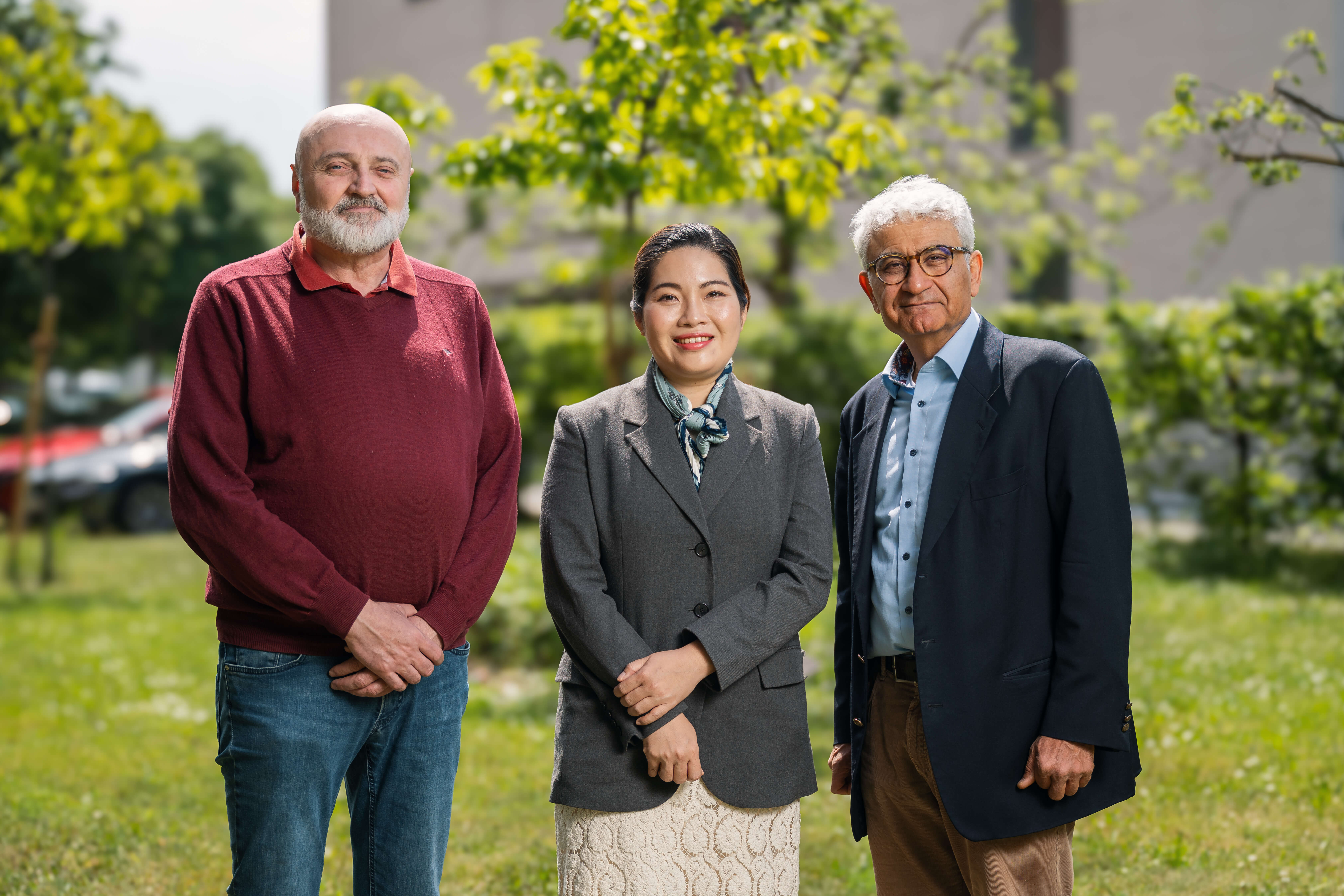
All scientists at Austrian member universities (including Vetmeduni) are eligible to submit projects within the framework of ASEA-UNINET calls for proposals. These take place twice a year and promote mobility in particular, with travel, accommodation, and material costs eligible for funding. Project durations of one to two years are possible. “I cordially invite you to apply for research and cooperation projects within the framework of the upcoming calls,” says ASEA-UNINET coordinator at Vetmeduni, Ebrahim Razzazi-Fazeli. He is available for networking and further questions.
Note: The Office for International Relations (BIB) is the university's central point of contact for all questions relating to international mobility.
Author: E. Razzazi-Fazeli
An abridged version of this article also appeared in VETMED Magazine 03/2025.
Photos: Thomas Suchanek/Vetmedun