- Home /
- University /
- Infoservice /
- Press Releases /
- Genome Atlas for Feline Cancer
Research
Genome Atlas for Feline Cancer
An international research team, including members from Vetmeduni, has created the largest genetic map of feline cancer to date. For this study, 493 tumors from 13 different types of cancer were analyzed, along with healthy tissue from the same cats. The goal of the study was to identify genetic changes typical of feline cancer, understand their connection to human cancer, and explore how these findings could be used to develop new treatments.
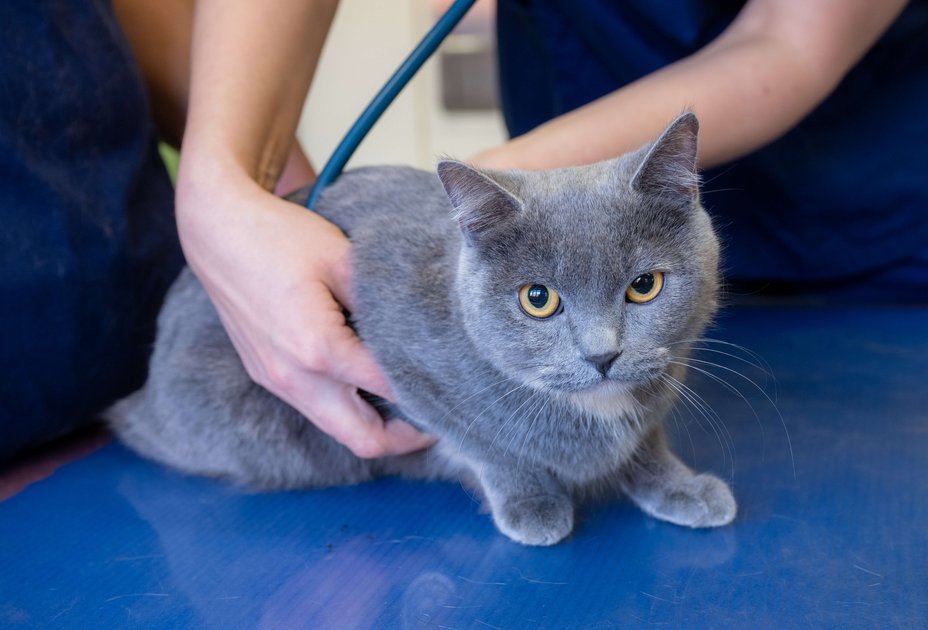
The results reveal that cats and humans share many similarities when it comes to cancer. One of the most frequently altered genes in cats was TP53, which also plays a crucial role in human cancer. Other genes, such as FBXW7, CTNNB1, and PIK3CA, were also commonly affected. "The tumor suppressor gene TP53 was altered in about one-third of all cases—a clear pattern that we also observe in humans," explains Christof Bertram, co-author of the study and assistant professor at the Center for Pathobiology at Vetmeduni. However, there are differences as well: For instance, in feline breast cancer, the gene FBXW7 is often altered, whereas in humans, TP53 plays a more prominent role. These differences could make cats a valuable model for studying certain types of cancer.
What the Research Reveals About Causes
The study also provides insights into how cancer develops in cats. In cases of skin cancer, researchers found evidence of UV light damage in over half of the cases - similar to humans who are exposed to excessive sunlight. Additionally, DNA from papillomaviruses was discovered in some tumors, suggesting that these viruses might play a role in cancer development. Another intriguing finding is that feline tumors often follow a specific pattern: they either exhibit numerous small mutations or large chromosomal changes, but rarely both simultaneously. "This either-or pattern strongly resembles what we observe in human medicine," says Bertram.
New Hope: Better Treatments for Cats and Humans
The genetic findings could pave the way for more targeted cancer treatments in cats. In more than half of the tumors studied, researchers identified mutations in genes that are susceptible to drug intervention. Particularly noteworthy are genes with so-called "weak points" that could be exploited to combat tumor cells. Overall, 37% of the tumors could potentially be treated using this approach. Additionally, the team identified 67 cases of genetic alterations that are already considered treatable in human medicine - for example, in genes like KIT or PIK3CA. "From UV damage to precise therapeutic targets - this study provides a practical roadmap for future treatments in both cats and humans," summarizes Christof Bertram.
The study highlights the striking similarities between feline and human cancer, demonstrating how both species can learn from each other. At the same time, the differences between the two species reveal new biological connections. This represents a significant step forward for the "One Medicine" approach, where human and veterinary medicine collaborate to develop better therapies for all.
Note: This study is based on a large international collaboration, led by researchers from the Wellcome Sanger Institute (Cambridge, UK) and the University of Guelph (Canada).
The article "The oncogenome of the domestic cat" by B. A. Francis, L. Ludwig, C. He et al. was published in Science.
Scientific article
Scientific contact:
Ass.-Prof. Dr.med.vet. Christof Bertram, PhD, Dipl.ACVP
Zentrum für Pathobiologie
Veterinärmedizinische Universität Wien (Vetmeduni)
christof.bertram@vetmeduni.ac.at